
Keeping Your Fab Lamps Alive: The Truth About Quartz Shields
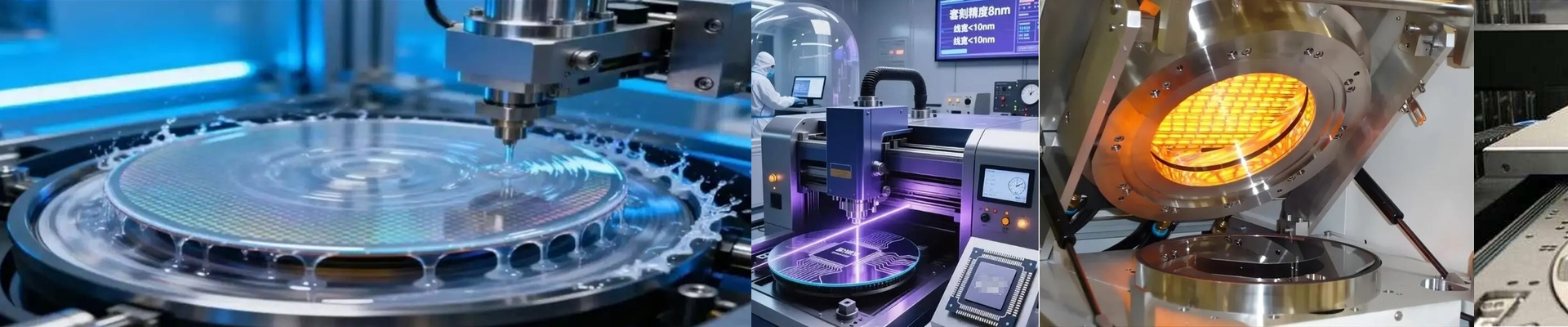
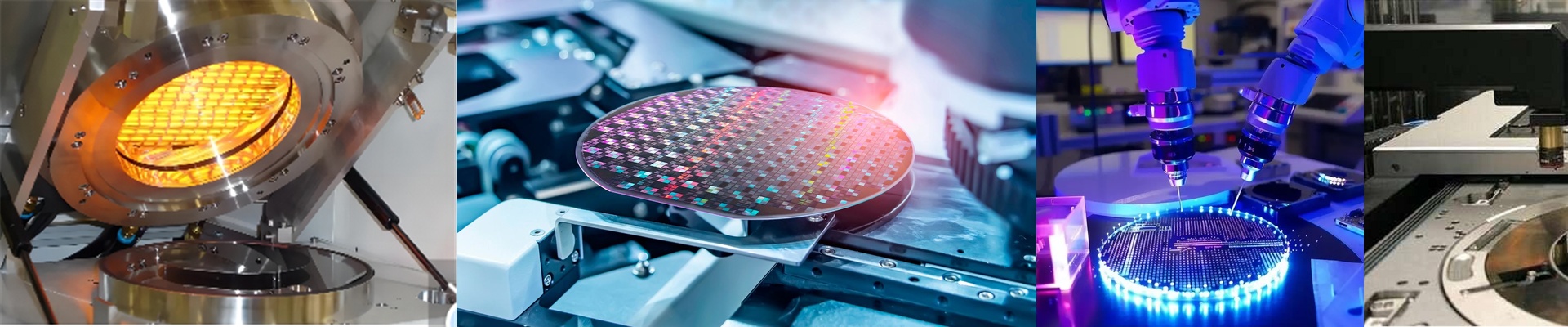
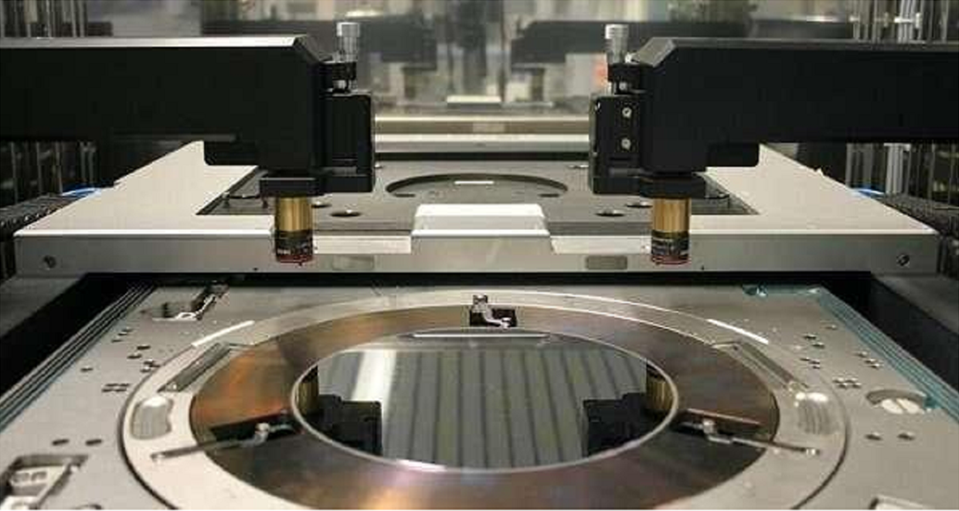
If you’re moving toward lead-free, eco-friendly drying in your fab, you’ve probably already realized that the old way of heating things up doesn’t cut it. That’s why most of us lean on Infrared (IR) curing. Instead of just heating up the air and hoping for the best, IR goes straight for the substrate. But here’s the catch: cleanrooms are picky. To keep those lamps from getting gunked up, you need a quartz glass shield. Why bother with quartz? Think of it as a bodyguard for your lamps. We use high-purity synthetic quartz because it’s basically invisible to short-wave IR radiation. The heat just slides right through. If you tried using regular glass, it would either block the heat or—more likely—shatter the moment things got hot. The shield keeps chemical vapors and stray particles away from the lamp surface. Without it, your tubes would burn out way faster than they should, and nobody wants to deal with that kind of downtime. Getting the fit right These shields have to fit into some incredibly tight spaces. When you’ve got a high-wattage IR array running, the heat density is intense. The quartz shield is the only thing managing that bridge between the raw power of the lamp and your sensitive semiconductor wafer. One tip: make sure it’s seated perfectly. I’ve seen this happen a lot with DIY retrofits. If the shield is even slightly off-center or there’s a gap, you get a cold spot. Suddenly, your curing profile is a mess and your wafers aren’t drying evenly. It’s a small mistake that causes a huge headache. The trade-off Now, quartz isn’t perfect. It’s brittle. One clumsy move during a maintenance shift and you’ve got shards of glass all over your machine. It’s a nerve-wracking feeling. Also, remember that while the shield protects the lamp from dirt, it doesn’t stop the heat. It’s still radiating everywhere. If your cooling system isn’t up to the task, the ambient heat around the housing will climb, and you might actually warp your chassis. Keep an eye on those temps.