
Keeping Your Wafers Safe: The Truth About IR Lamp Failures
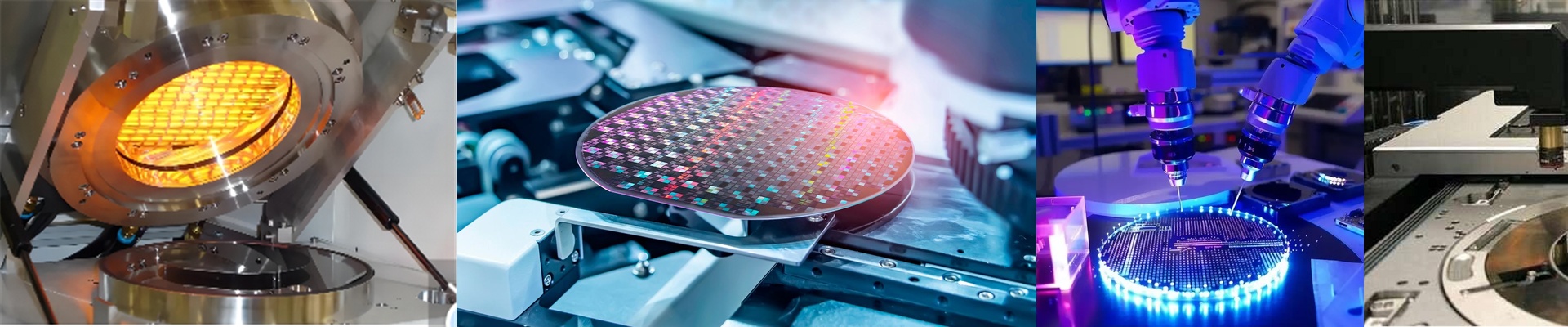
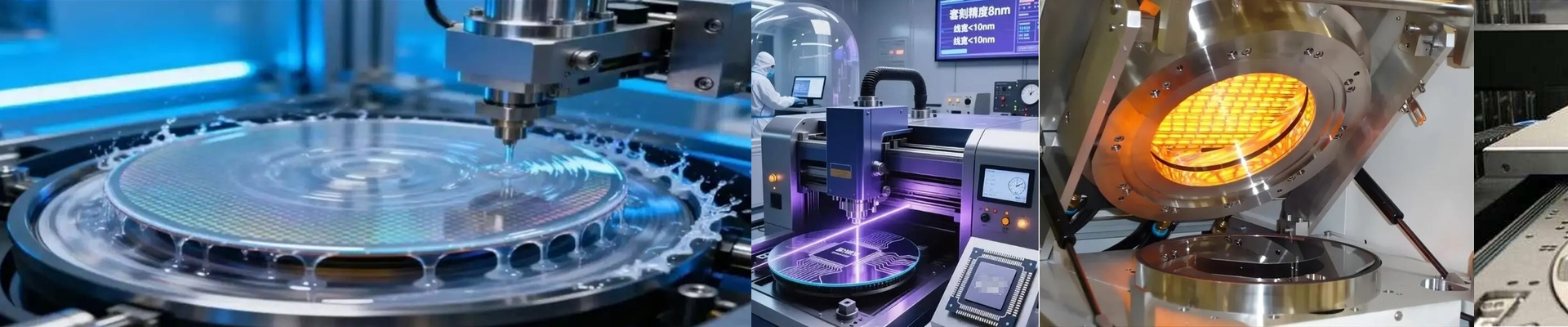
Let’s be honest: a ruptured IR lamp is a total nightmare. One second everything is running fine, and the next, a quartz tube bursts. Suddenly, you’ve got particles and chemicals raining down on your wafers. The batch is ruined. The line stops. It’s a mess you just don’t want to deal with. That’s exactly why we build our heating systems the way we do.
Why the Aluminum Reflector Actually Matters
You might think the aluminum reflector is just there to bounce heat around. But it does a lot more than that. By aiming that IR radiation precisely where it needs to go—straight at the wafer—we stop the lamp housing from soaking up too much heat. This keeps the tube’s temperature steady. If you try to run a lamp without a decent reflector, heat starts piling up in all the wrong spots. That puts a massive amount of stress on the quartz. And when quartz gets stressed? It blows.
The Nitty-Gritty of Safety
We don’t just hope for the best; we build in physical shields and very specific mounting tolerances to keep debris away from your substrate. Take our brackets. They’re precision-machined aluminum designed to hold the tube securely, but gently. If a clip is too tight, the tube has nowhere to go when it expands from the heat. It’ll crack. Simple as that. We also use quartz that can handle those brutal temperature swings. It takes the hit of a high-wattage ramp-up without warping. But here’s the thing: your power controllers have to be dialed in. A sudden current spike can pop a filament and shatter the whole tube in a heartbeat.
Balancing Power and Heat
High-density IR heating is great because it gives you those lightning-fast cure times. But it pushes your hardware to the edge. The more power you pump in, the harder your cooling system has to work. If your fans die or a vent gets blocked, the reflector starts to warp and the lamp seal gives way. It sounds basic, but keep those cooling vents clear. It’s the easiest way to make your tubes last longer.