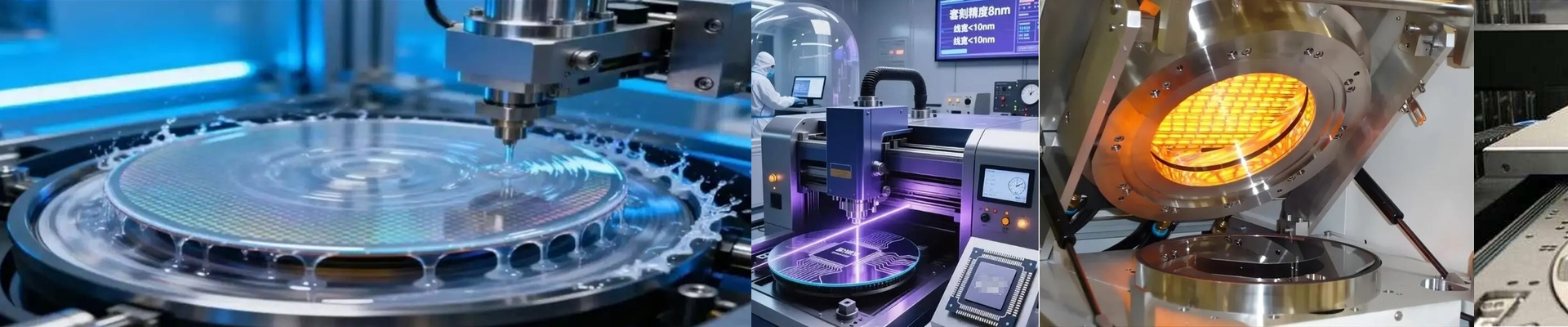
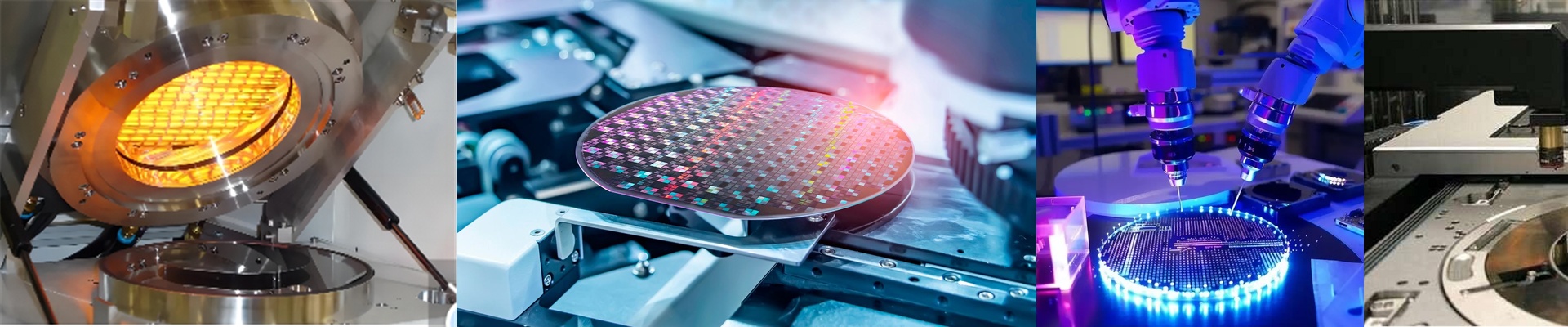
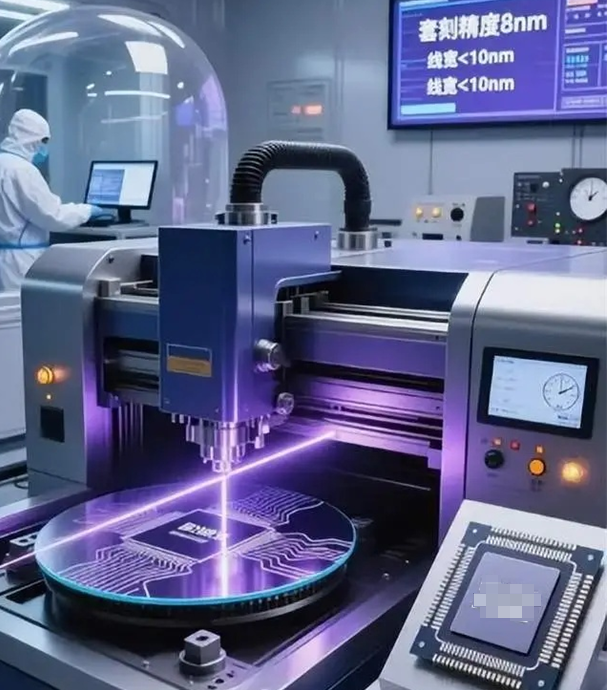
Out on the line, a 200mm wafer waits its turn for photoresist. The bake isn’t optional—it’s the spec. Temperature drift by a fraction of a degree, and your critical dimensions move. The run is dead. We built our epitaxy heating with infrared lamps to stop that loss at the source. What matters, technically: We run short-wave infrared (NIR) quartz halogen emitters for fast, direct radiant heating. The spectrum couples cleanly into silicon and thin films. The system holds wafer-level thermal uniformity within ±0.1°C across the process zone, and repeatability stays within ±0.2°C shift-to-shift. Step response is under 50 ms, so you can hold the thermal budget exactly during soft bake, hard bake, and curing. Cleanroom behavior is baked into the design: Class 1–100 operation with zero particle generation, verified in-line, and the lamp housing uses high-purity materials to keep outgassing down. Why it works where you need it: In lithography, you need a repeatable soft bake to lock in photoresist thickness and kill standing waves. In packaging, you need a cure that crosslinks without overheating the underfill. In cleaning and drying, you need controlled heat to drive off solvents without inducing slip lines. These lamps give you that control, and they do it using less energy than convection ovens. The fast ramp-down also cuts cycle time. We’ve seen units run 5,000+ hours with less than 5% output drop—meaning fewer lamp swaps and a stable process window. Here’s what you need to know up front: Installation comes down to matching the tool’s mechanical envelope and electrical interface. Spec voltage, connector type, and cooling—forced air or water—before you order. Lamp output is line-of-sight, so chucks and fixtures can cast shadows and create localized cold spots. Alignment and beam shaping are part of the setup, not an afterthought. Expect a short burn-in to stabilize output and to confirm uniformity maps on your exact substrate stack. Once you dial it in, the process stays locked.