

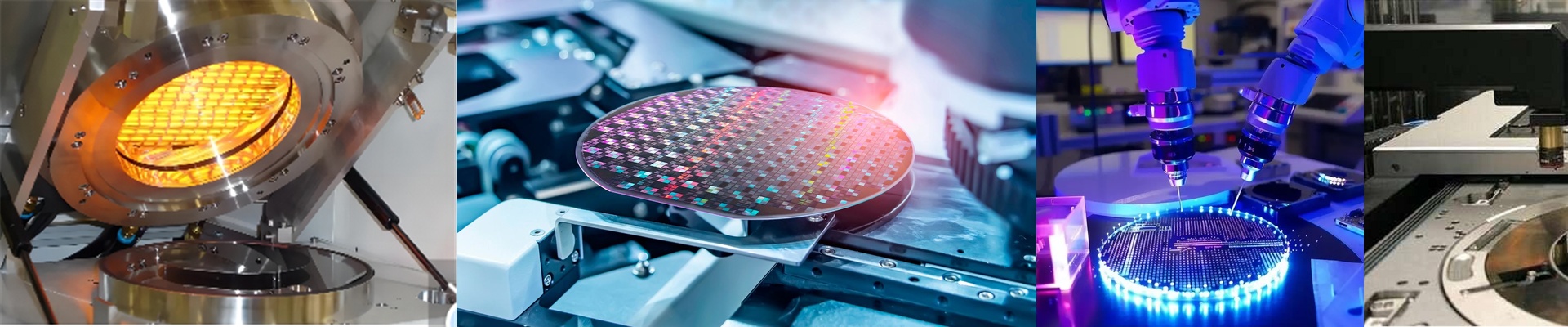
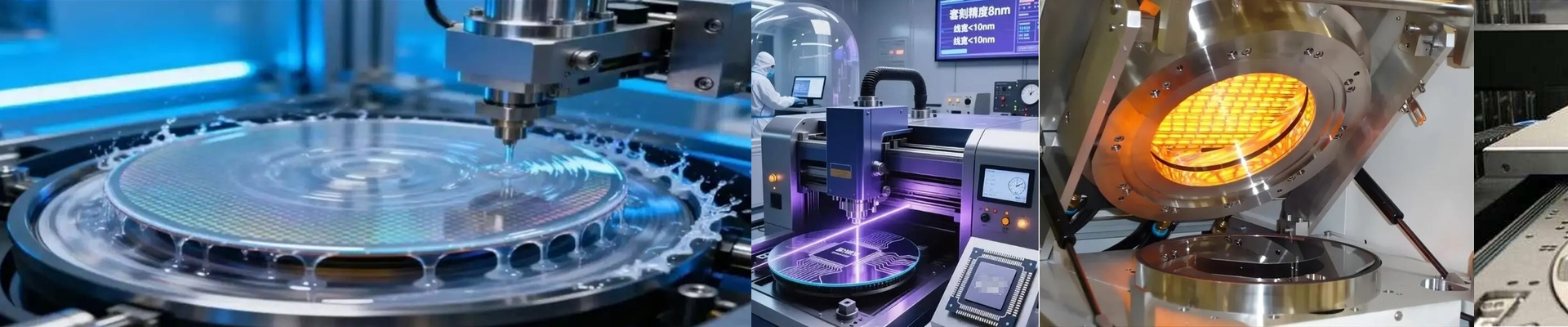
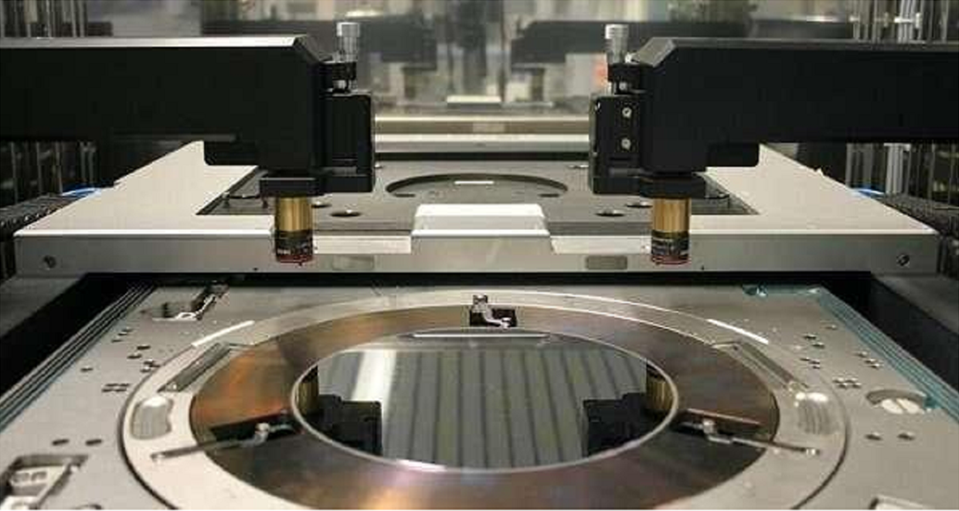
On the line, wafer drying isn’t just another step. It’s the last thermal checkpoint before you lock in yield. A cold spot during IR drying shows up as a watermark. An overshoot pushes the photoresist hardness out of spec. Either one stamps a defect onto the die. We built our IR heaters to pull that uncertainty out of the equation, delivering stable, repeatable heat right where the wafer sits. Here’s what actually matters under the hood. The unit runs short-wave infrared with fast response and tight control, so the temperature recovers quickly after a wafer load. Wafer-level thermal uniformity holds ±0.1°C across the hot zone, which keeps your soft bake and hard bake windows protected. Cleanroom compatibility isn’t an afterthought. In Class 1–100 environments, the heater assembly generates zero particles, so your particle counts stay flat during production. Repeatability is baked into the design—setpoints hold tolerance shift after shift, lot after lot. In lithography, photoresist behavior comes down to time and temperature. Our IR heater dries wafers without overheating the substrate, so film integrity stays intact and critical dimensions stay stable. In semiconductor packaging and wafer-level processes, that same thermal control shortens cycle time while still pulling moisture out completely. That means subsequent encapsulation or bonding steps don’t trap defects. The fast ramp and efficient radiant transfer cut energy use, and the design runs 24/7 with predictable maintenance intervals. A couple of practical notes. The heater integrates cleanly, but you have to verify alignment and line-of-sight to the wafer during install. Radiant heat is line-of-sight, and even a small misalignment will shift the uniformity profile. Make sure your power and cooling plan matches the tool footprint. The fast response is thermally aggressive, so the support systems need to keep up with the heater’s thermal load. Get those details right, and the process runs on spec—not on hope.