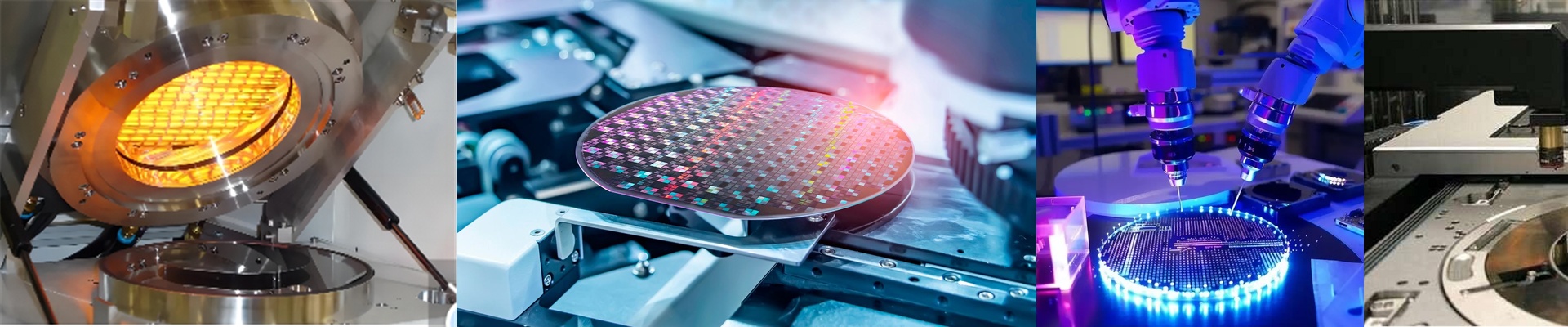
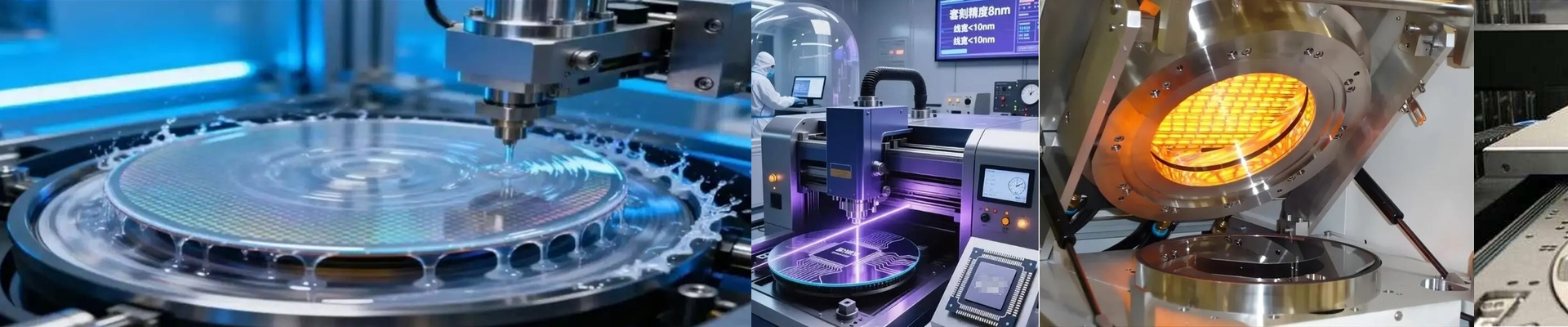

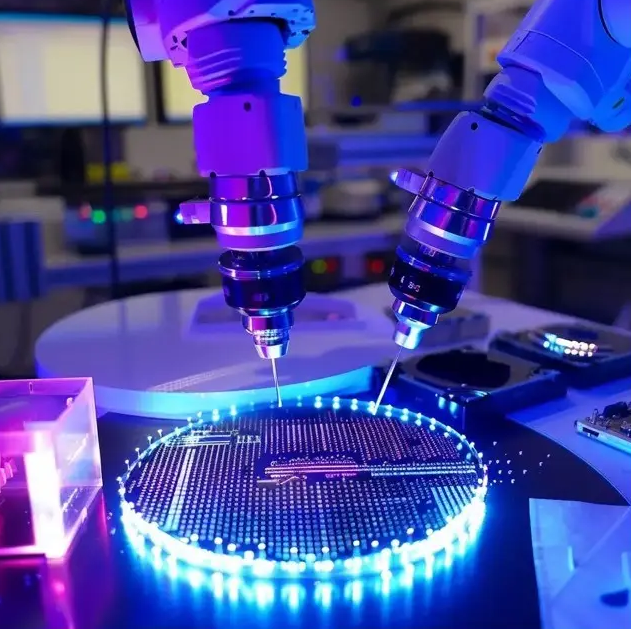
On the lithography floor, soft bake and hard bake aren’t just temperature steps—they’re the line between good pattern fidelity and a wafer that ends up as scrap. A couple of degrees drift across the wafer shows up as linewidth variation. And if the bake step kicks up particles, you’re contaminating the track. We built the compact infrared dryer for IC to take those variables off the table. What matters under the hood It uses short-wave infrared emitters inside a reflector-optimized chamber to dump energy straight into the photoresist, not the carrier. Across a 300 mm wafer, thermal uniformity holds at ±0.1°C, and cycle-to-cycle repeatability stays within ±0.2°C. Ramp rates top 10°C/s, so you compress bake time without beating up the stack. It’s engineered to sit in Class 1–100 cleanrooms: quartz and anodized aluminum paths, low-outgassing materials, and a laminar flow profile that keeps particle counts flat. Zero particle generation isn’t a slogan—it’s a design constraint, and we verify it with in-situ monitoring. Why this works on the IC line Space is tight and process windows are narrow. This dryer makes photoresist baking deterministic, so CD control tightens up and rework drops. The footprint is small enough to sit right beside the track with minimal rework, and it stabilizes fast, cutting idle time between lots. Because the emitter hits the load directly and the thermal mass is low, energy use drops. Reliability comes down to uptime: components rated for 24/7, and a thermal architecture that handles back-to-back runs without overshoot. The things you really need to plan for Compact doesn’t mean plug-and-play. You still need dedicated exhaust, plus clean, dry air. Installation tolerances are tight—verify alignment to the wafer handoff and make sure the robot has the clearance it needs. It integrates cleanly with standard track interfaces, but run a site-specific qualification to lock in the bake profile for your resist stack. That’s how you make the numbers stick in production.