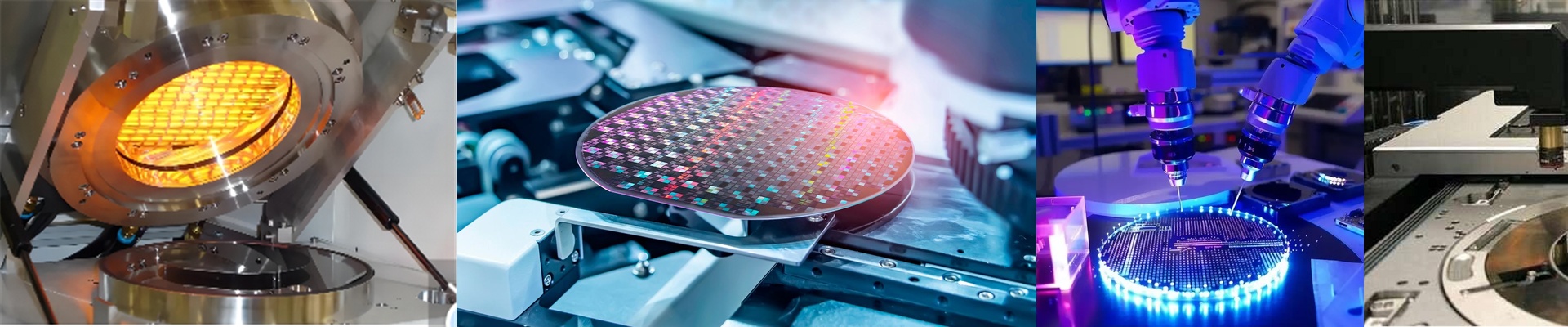


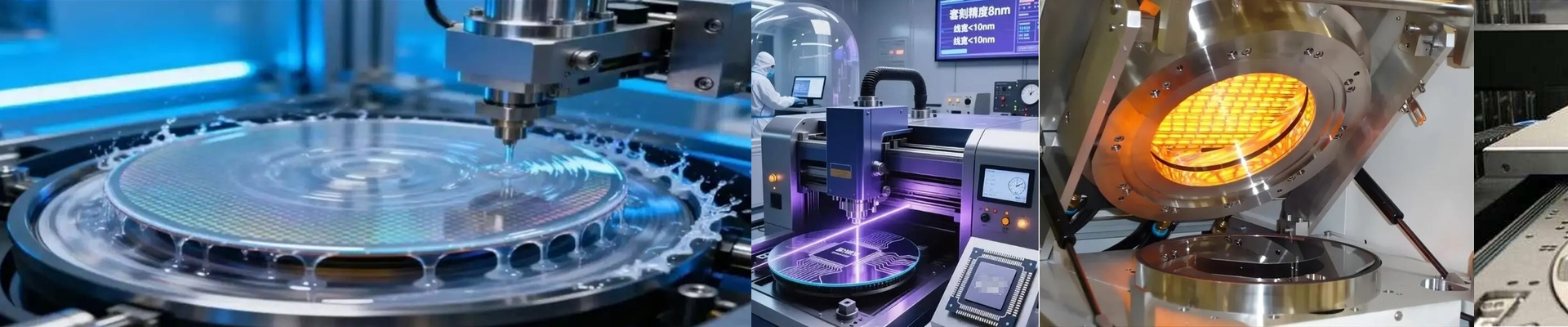
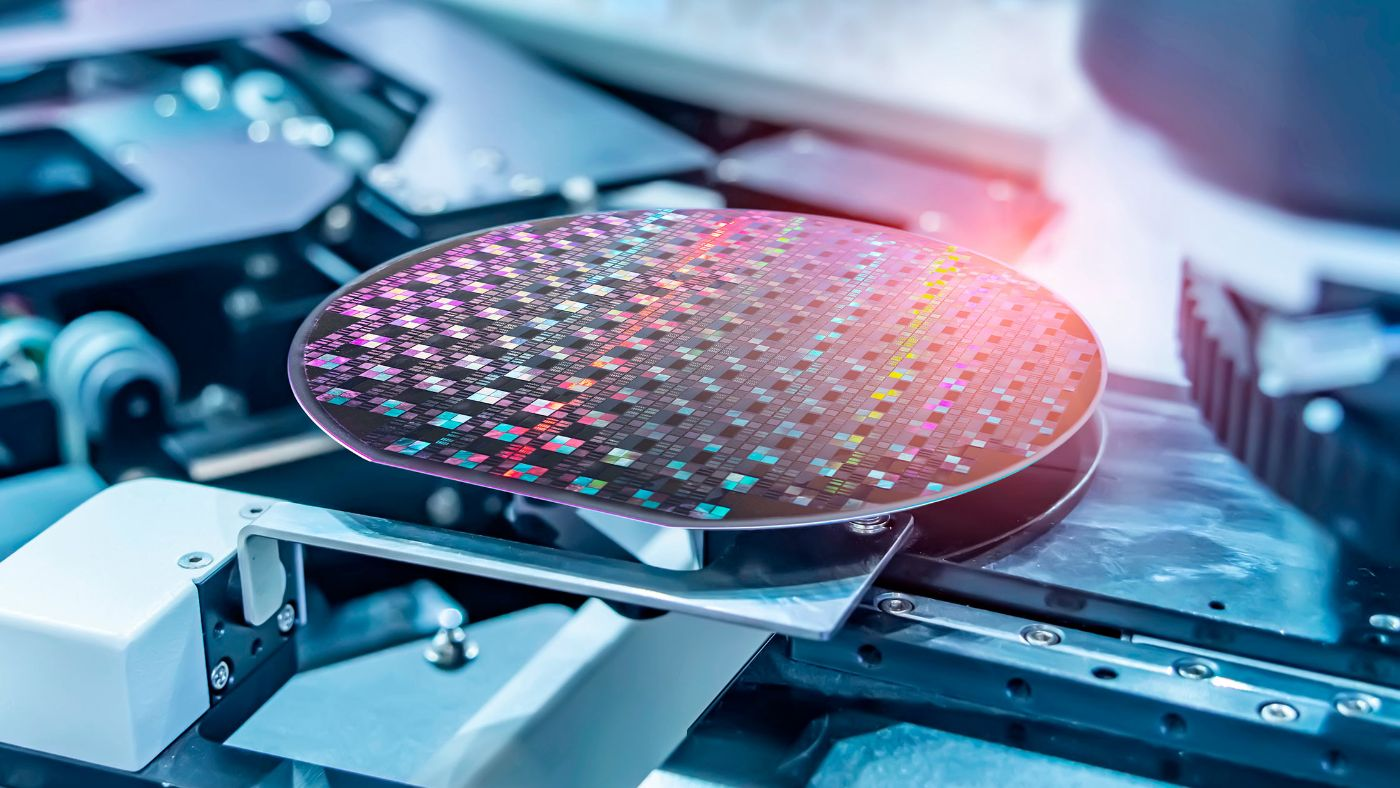
On the line, you know the drill. A half-degree swing in wafer drying, soft bake, or packaging cure can move critical dimensions and trap moisture in low-k films. The heater power cable isn’t just an accessory—it’s the first link in the thermal budget. When that link drifts, uniformity goes sideways, particle counts climb, and yield starts slipping. What matters under the hood We build fab heater power cables to deliver stable, low-noise current and repeatable temperature control. Conductor geometry and insulation are chosen for low thermal drift and minimal outgassing, so particle generation stays near zero in Class 1–100 cleanrooms. Thermal uniformity across the heater zone holds within ±0.1°C, and the termination is engineered for low contact resistance—so setpoint repeatability isn’t masked by connection losses. The jacket compounds are cleanroom-compatible and won’t introduce contamination during handling or replacement. Why this plays on the floor In practice, these cables keep the thermal profile steady across wafer drying, photoresist bake, and package curing. Tight uniformity means less rework and scrap. Repeatable setpoints shorten qualification cycles and keep line-to-line matching consistent. Energy use drops because the heater isn’t constantly chasing transients. Reliability is built for 24/7 operation, so unplanned downtime and emergency change-outs take a hit. The field notes you can’t skip Compatibility is equipment-specific. Match the connector interface and pin assignment to your heater terminals, and confirm the current rating against the heater’s load profile. Keep bend radius and routing in check during install—mechanical stress and localized heating will come back to bite you. In humid or high-thermal-cycle areas, plan regular inspections of the terminations. Even the best cable performs best when the connections stay clean and tight.