On a cold workshop morning, the air bites before the machines even kick on. You can see people hesitating, hands stiff, and every minute spent waiting is time you lose in productivity and quality. A reliable heater isn’t a perk. It’s the baseline that keeps work moving.
What matters, technically
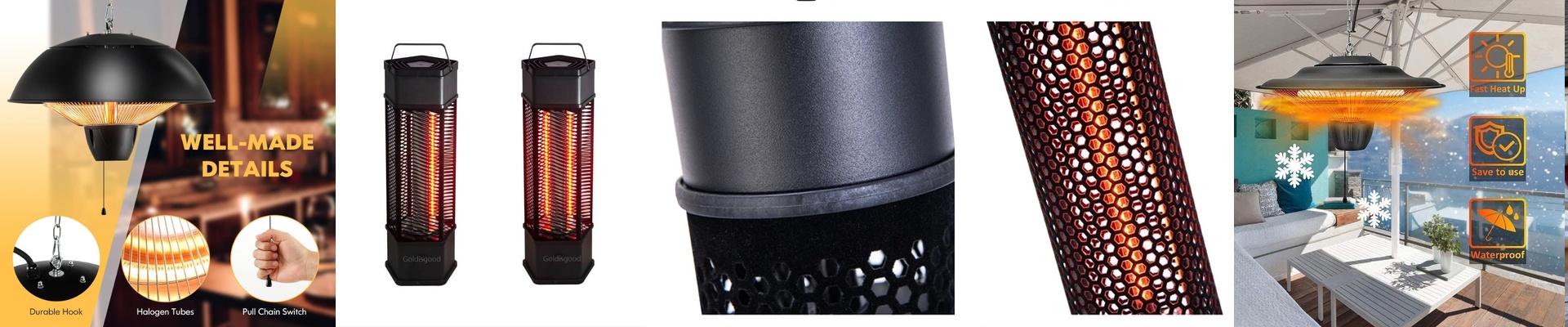
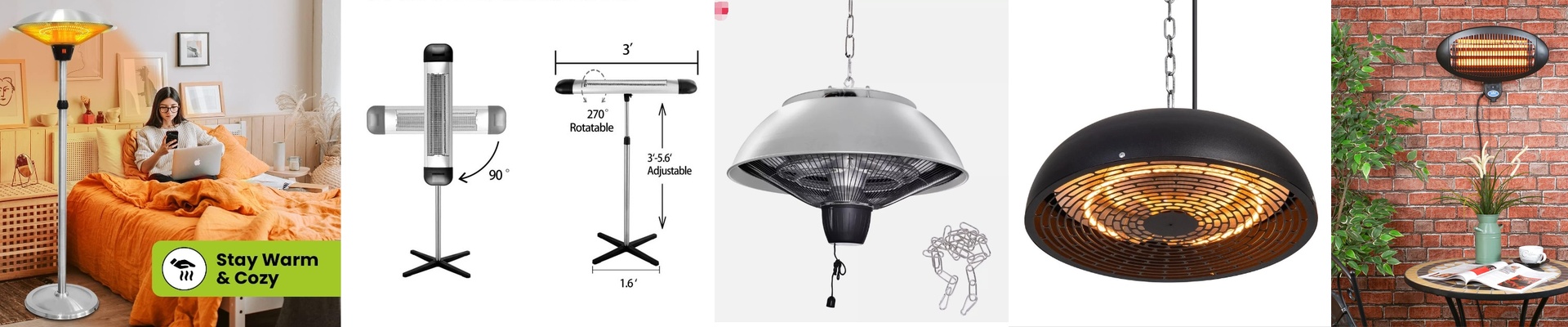
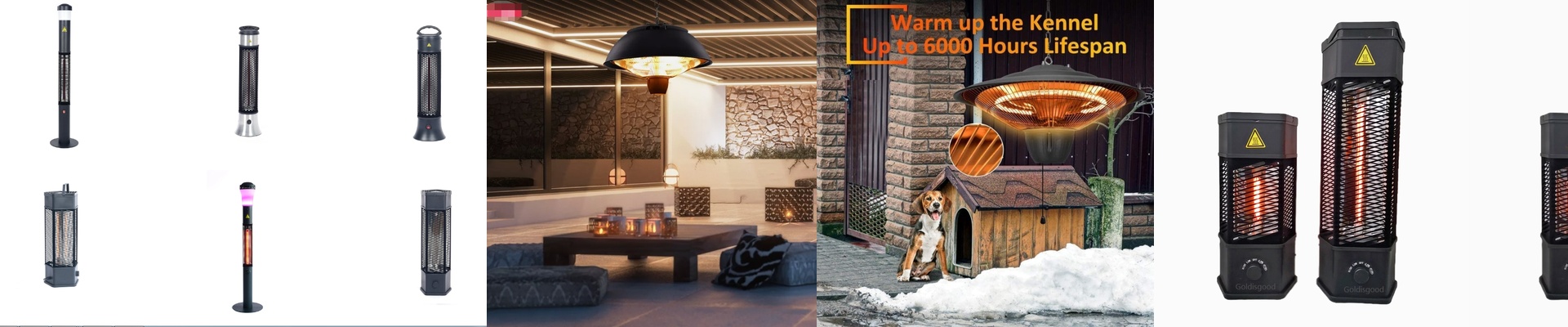
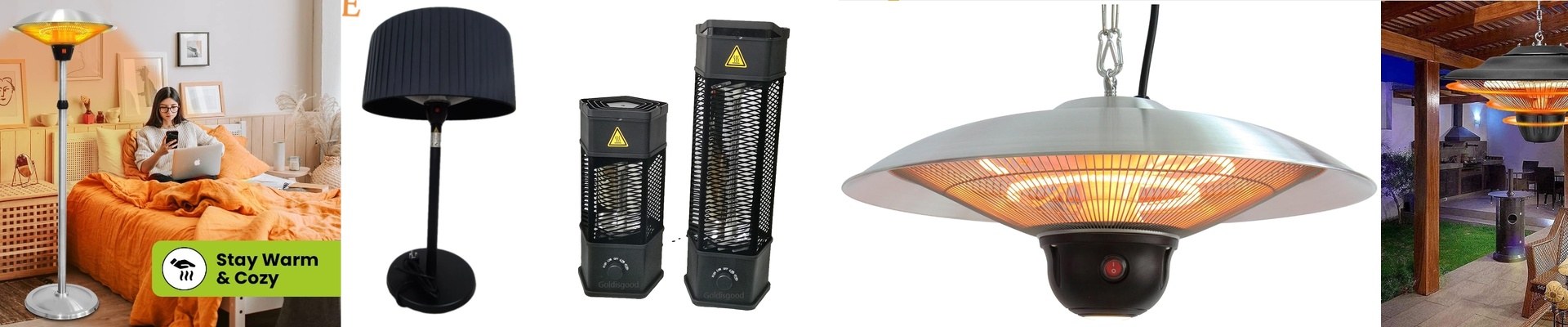
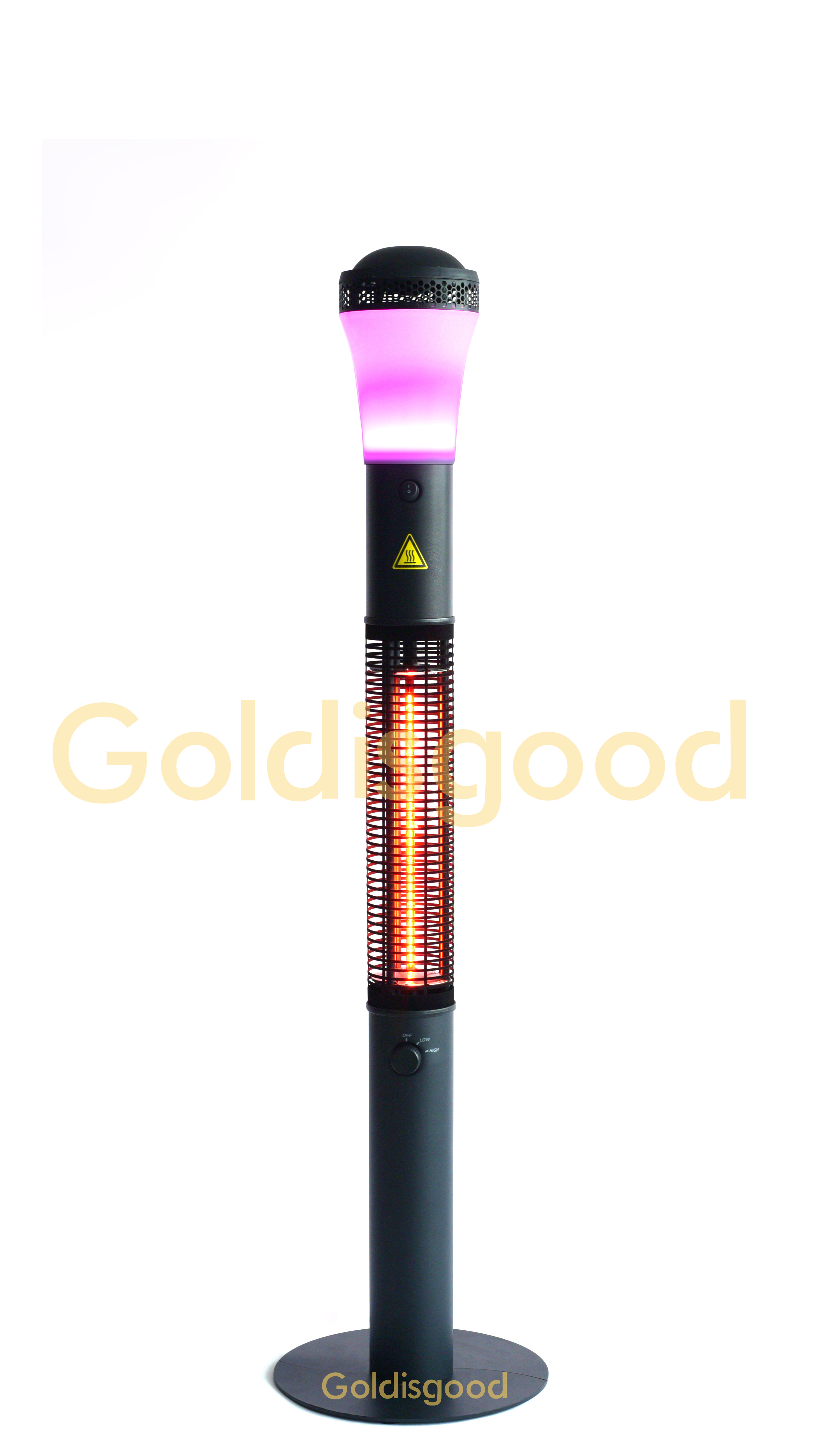
A portable fan heater earns its keep by pairing radiant infrared heat with a small, efficient fan. The heating element—usually a quartz tube or a carbon fiber strip—glows and throws warmth straight at people and objects, not just the air. Then the built-in fan spreads that heat around the room, smoothing out the cold spots. Most units run off a standard 120V outlet and put out 1.5–3 kW. Look for a thermostat you can actually dial in, tip-over protection, and a housing that stays cool to the touch. Many models carry an IP rating, which tells you they can handle the damp of a garage or the breeze of an outdoor seating area.
Why this works on the job
In a commercial setting, comfort translates into steadier hands, fewer mistakes, and a workflow that doesn’t stall out. A portable fan heater delivers targeted warmth exactly where you need it, without rewiring the whole building. That means you can extend comfort fast—seasonal work zones, loading docks, staff break areas—without a major project. The payoff is fewer interruptions, fewer draft complaints, and a more consistent environment for people and for sensitive equipment.
The details that trip people up
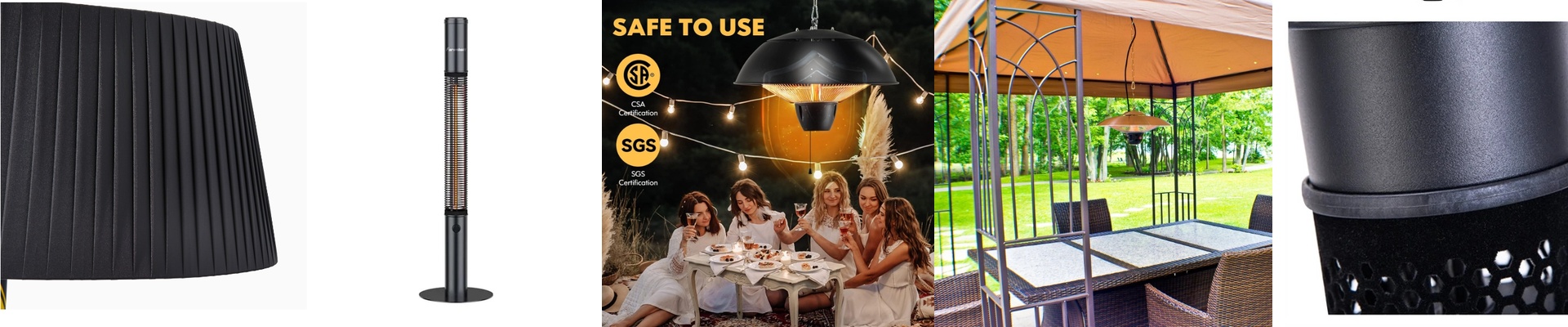
These heaters are built for dry to moderately damp indoor spots and sheltered outdoor areas. They need breathing room—keep clearances clear and don’t set them near anything combustible. If you’re dealing with a fully exposed outdoor area, pick a model rated for outdoor use and position it to cut down on wind chill. They’re compact and easy to move, but they perform best when matched to the right square footage, so check the recommended coverage before you plug in.