A smart home that chases comfort can still bleed money on energy bills, and nine times out of ten, the bottleneck is the heating system. Conventional convection heaters warm air, which rises and scatters, then keep drawing power just to hold the setpoint. You end up with long warm-up times and a lot of wasted kilowatt-hours.
What matters, under the hood
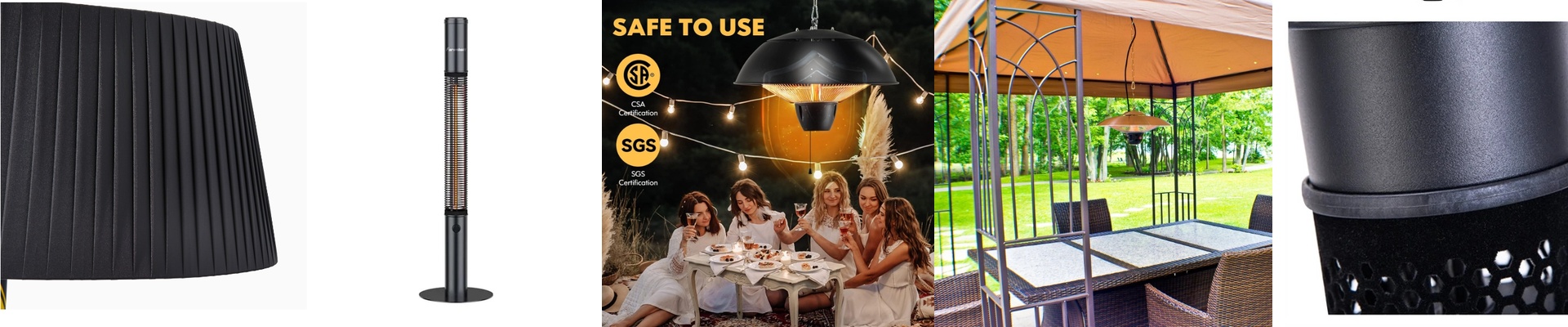
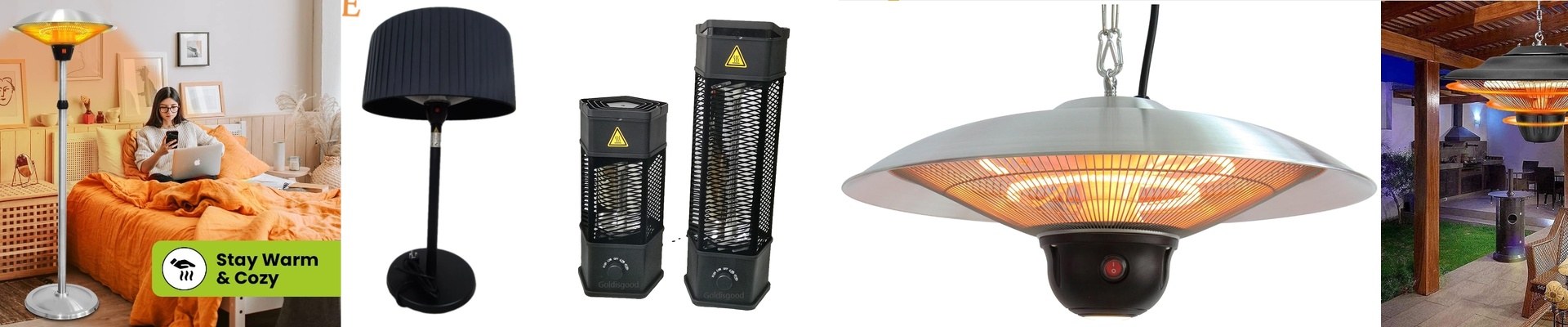
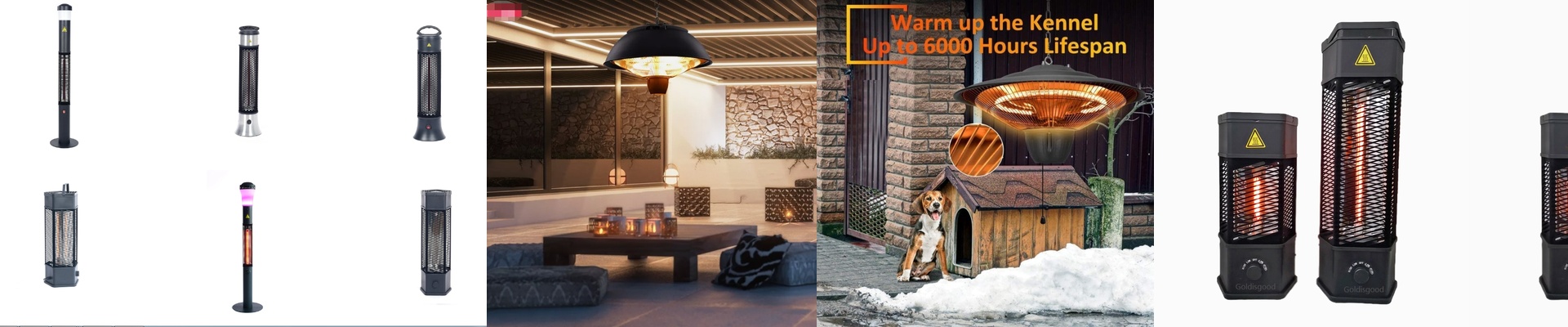
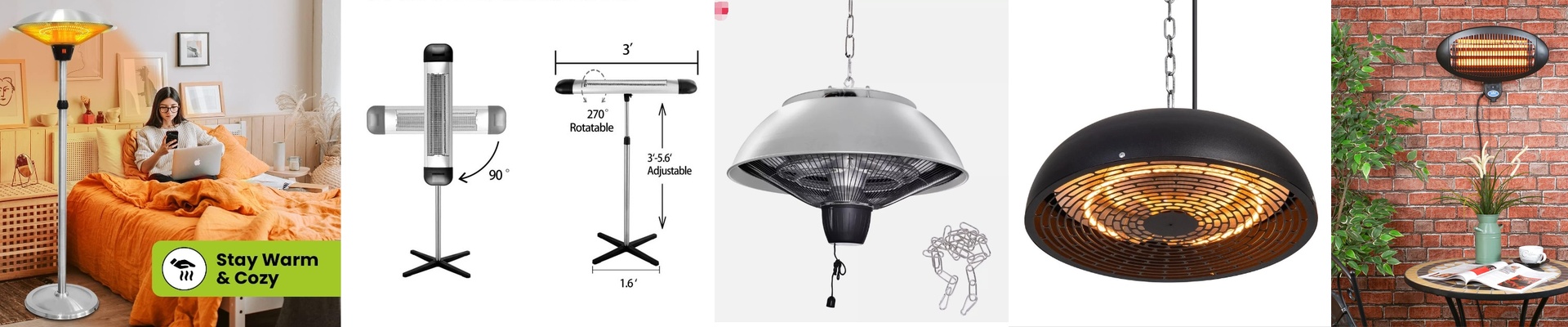
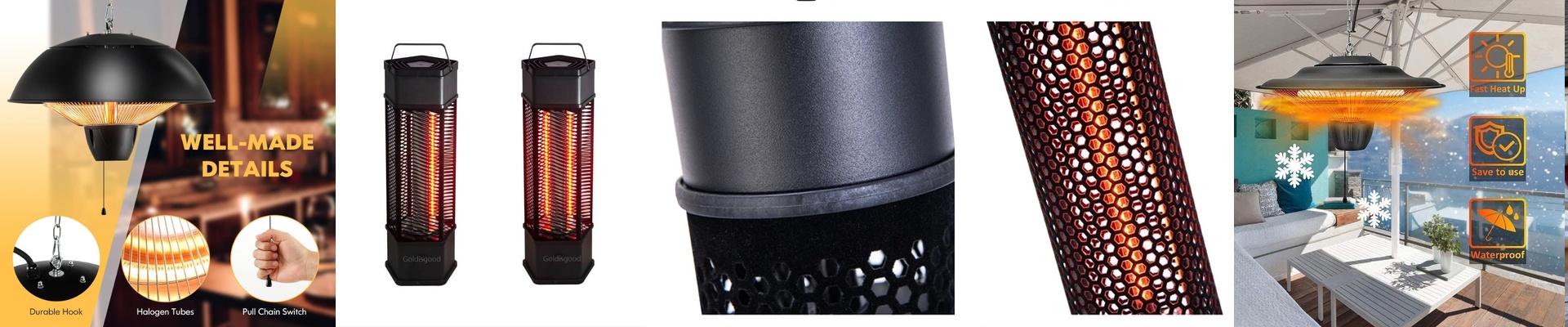
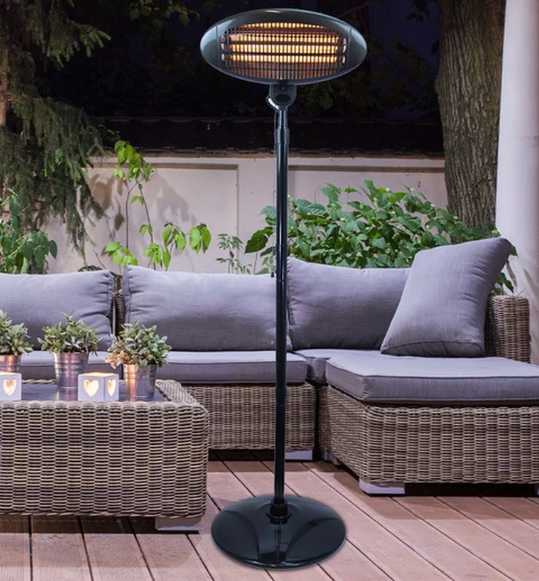
Infrared wall heaters take a different approach. They deliver radiant heat—warming people and objects directly, not the air. The key is low thermal inertia. A carbon fiber or quartz infrared element heats up fast and cools down fast, so it tracks the room’s needs with precision. Response is almost immediate. No long coasting after the thermostat calls for less heat. Many models run on standard 120V or 240V circuits, install with straightforward hardwiring, and play nicely with smart thermostats. Look for a sealed design with an IP rating suitable for damp areas, plus tip-over protection and an overheat cutoff for day-to-day peace of mind.
Why this matters in a smart home
In a house with smart environmental control, low thermal inertia is the missing piece for real energy discipline. When the control logic sees an open door, a burst of sunlight, or a shift in occupancy, it can adjust heat output in seconds—not minutes. You get warmth exactly when you need it, and you stop paying for heat that lingers after the need is gone. Over a winter, that tighter control shows up as noticeably lower electricity use, while the living room, hallway, or covered patio still feels steady and cozy.
The practical details
Infrared wall heaters work best when aimed at the primary seating or standing areas. They don’t heat air, so in very windy outdoor spots, a little supplemental air-moving can help. Installation means a dedicated circuit and setting the mounting height correctly—both matter for safety and comfort. For best results, pair the unit with a thermostat that supports rapid cycling to match the element’s fast response.