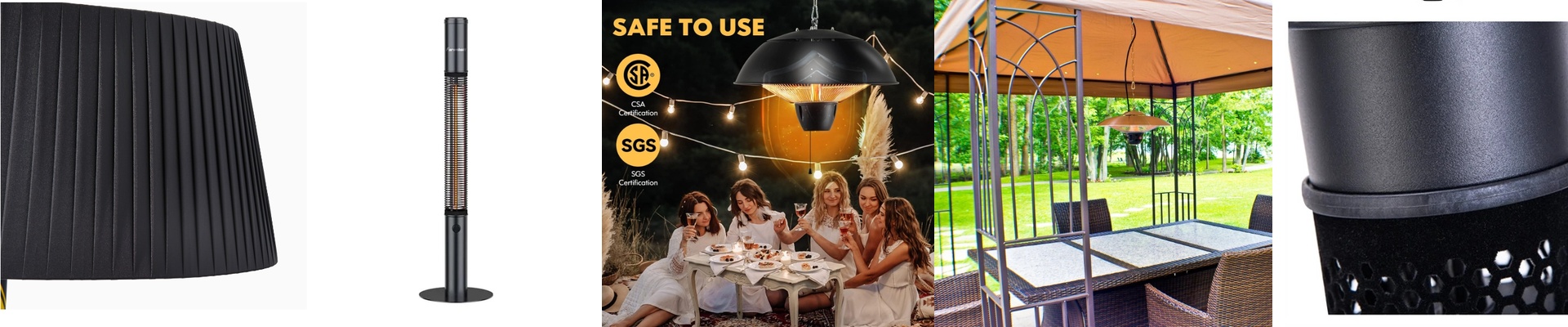

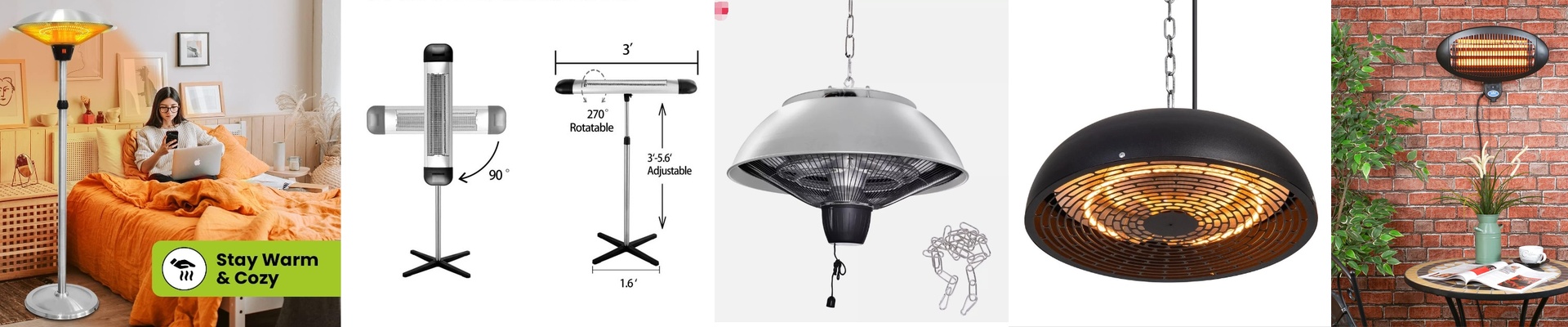
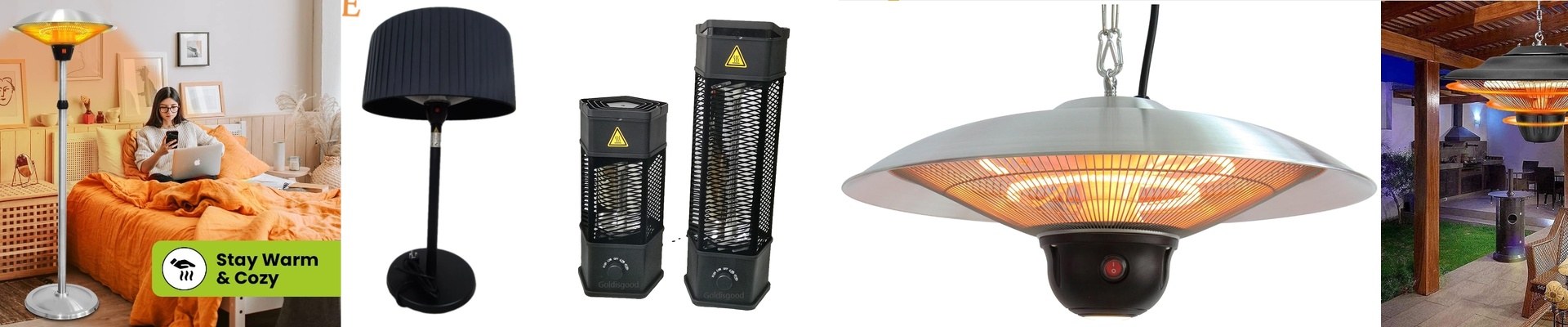
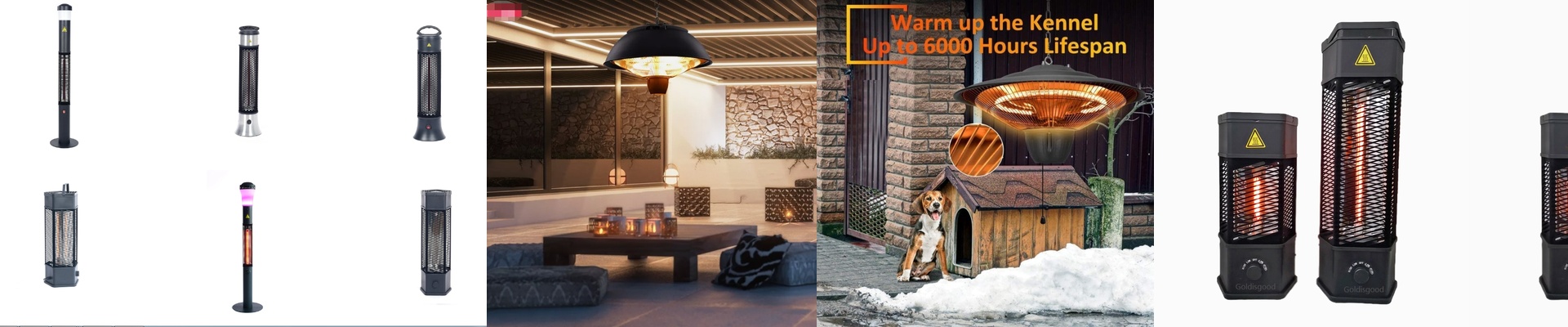
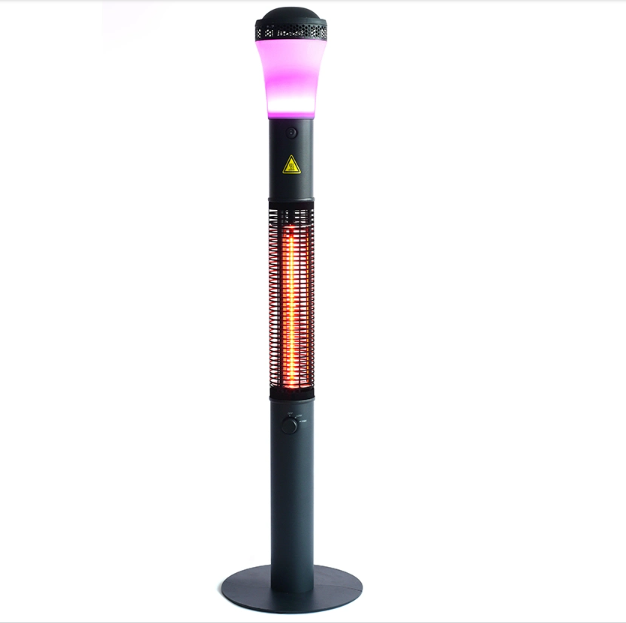
Picture that favorite corner of your yard on a cool evening. You flip on the electric heater, and the heat hits you—warm up top, but your feet stay cold. More often than not, the heater isn’t the problem. It’s where you hung it. Infrared warmth travels straight, so mounting height and angle make all the difference between a steady glow and a patchy blast.
What actually matters under the hood
Infrared electric heaters warm people and surfaces directly, not the air. The heart of the unit is the carbon fiber or quartz element, and it comes up to temperature almost instantly. For residential spots, 1,500–2,000W covers a typical patio or living room. A built-in thermostat keeps output steady once the space is dialed in. For outdoor use, look for an IP rating, tip-over protection, and a standard 120V plug so it’s easy to wire in.
Why mounting makes it work
Get the height right, and the heat stops playing hide-and-seek. For most patio heaters and overhead units, aim for 7 to 9 feet above the floor. At that height, the beam spreads evenly over seating without scorching or fading out. If you’re zeroing in on a seating group, tilt the heater 15–30 degrees down. That angle puts infrared warmth on laps and legs, and it cuts glare and draft. The payoff is a quieter, steadier heat that keeps the space usable when the temperature dips.
The details that keep you out of trouble
Clearance is non-negotiable. Keep the heater at least 3 feet from anything combustible, and 7 feet from a combustible ceiling. Indoors, check local codes for ceiling-mounted electric heaters. Outdoors, pick a model rated for damp conditions and protect the outlet with a weatherproof cover. If you’re focusing on a narrow zone, remember the beam spread: a tighter beam concentrates heat, while a wider dispersion covers more people with less intensity per square foot. Plan the layout first, then mount. You’ll feel the difference.