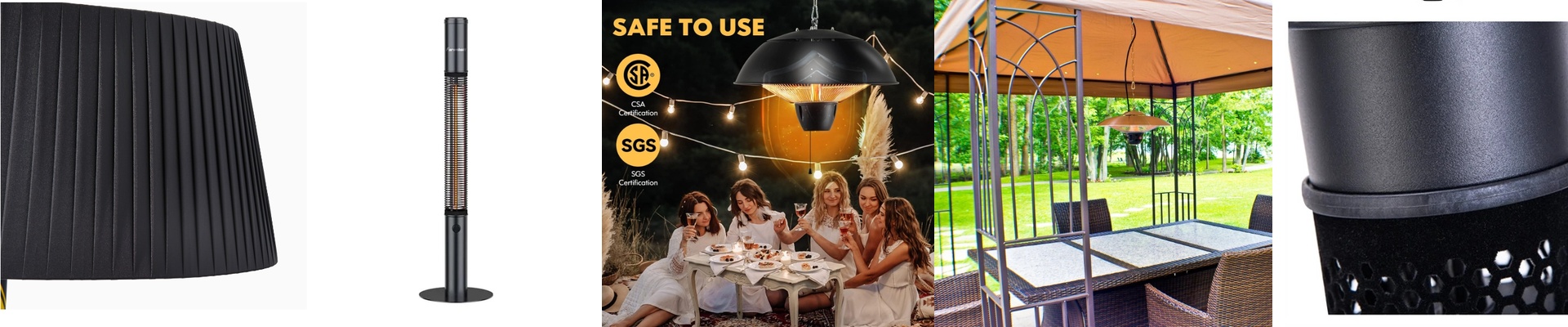
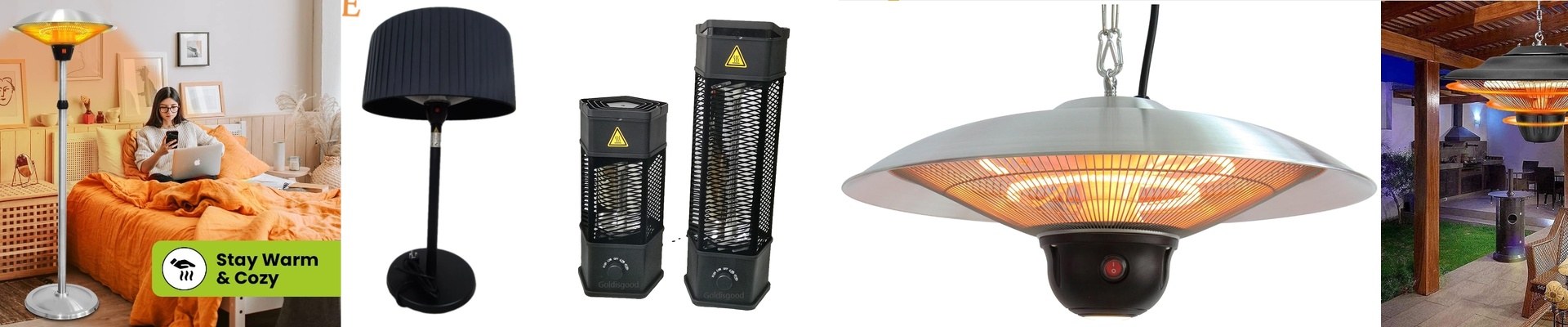

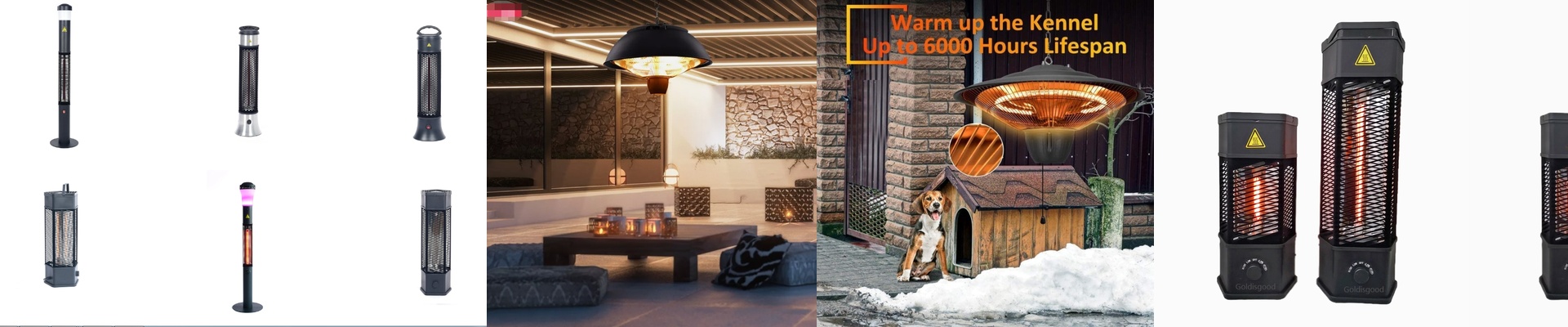
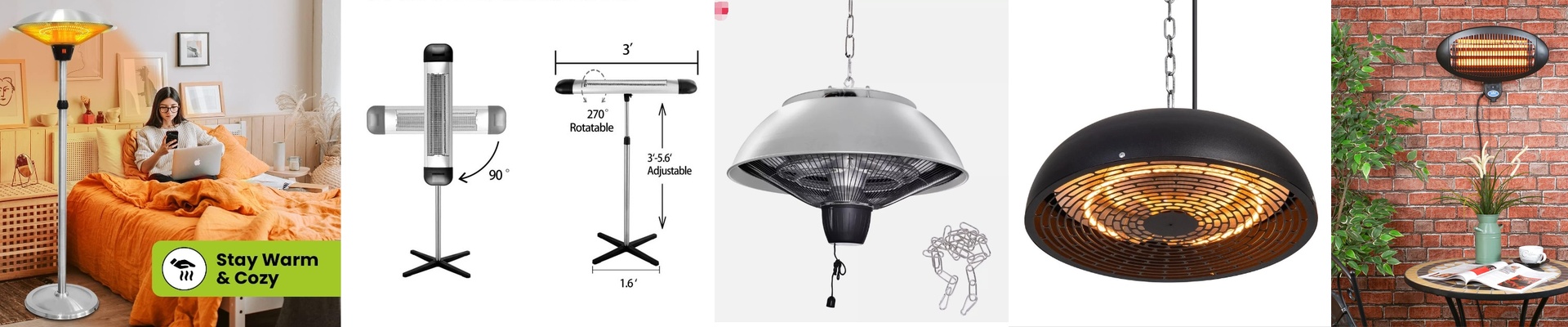
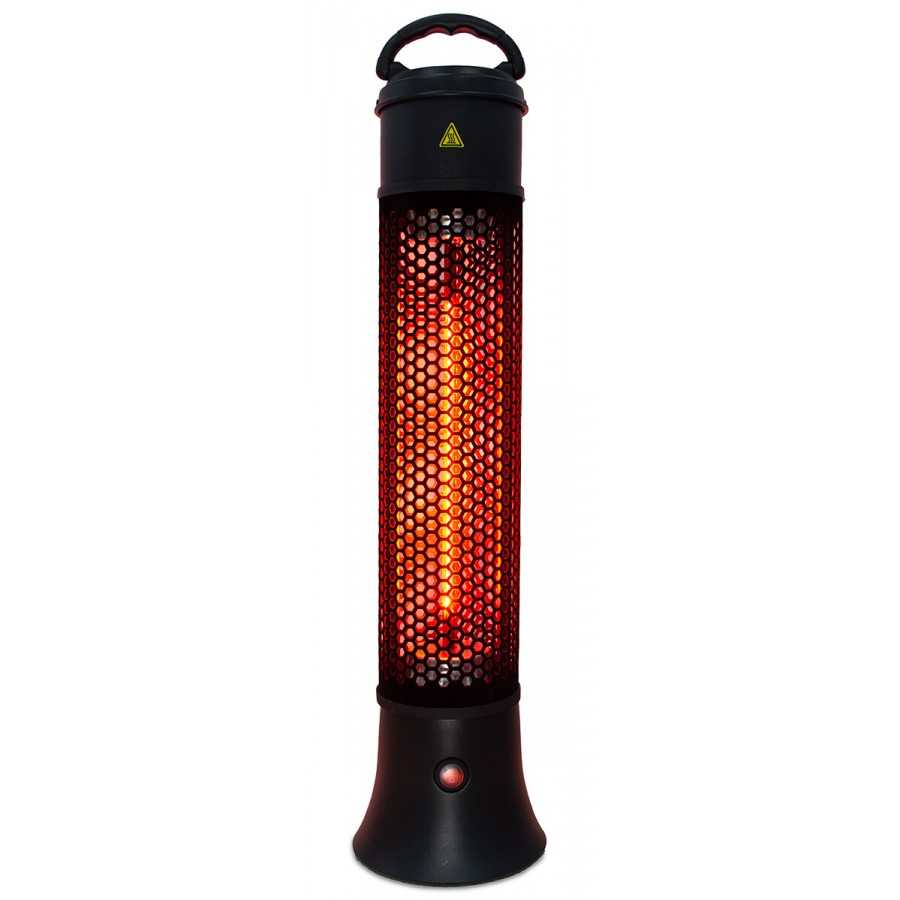
Dust on your decorative infrared heater isn’t just a cosmetic issue—it quietly robs performance. Infrared warmth shoots straight from the element to people and objects, and when the quartz tube or reflector coating carries a film of grime, more of the output gets absorbed before it ever reaches the room. The heater ends up working harder, warming slower, and costing more to run. What’s actually happening under the hood Decorative infrared space heaters are built around a radiant element—usually a quartz tube or a carbon fiber element—paired with a reflector that throws heat forward. The energy arrives instantly, so comfort builds quickly without having to heat the entire volume of air. In practice, that means you can flip on warmth the moment you need it, and the unit can cycle less often than convection-style heaters. Even so, efficiency hinges on a clean path for infrared energy. A dirty surface can cut effective output, forcing the heater to pull full power longer just to deliver the same comfort. Where this really pays off This matters most in spaces where you want heat on demand and a look that feels intentional—covered patios, sunrooms, reading corners, or open living areas. Because the warmth hits immediately, you don’t have to wait around for the room to “catch up.” Keeping the element and reflector clean keeps performance steady, comfort consistent, and energy use where it should be. Add a thermostat and the heater can hold a stable feel without overshooting, while safety features like tip-over protection and overheat protection make day-to-day use reassuring. The maintenance that keeps it honest Maintenance is simple: power off, let the unit cool, and gently wipe the element and reflector with a dry microfiber cloth. Skip abrasive cleaners, and never spray directly into vents. These heaters do best in covered, protected outdoor areas and dry indoor spaces—they’re not built for heavy rain or direct exposure. Also double-check that your outlet and circuit can handle the wattage, especially when the heater is running at full output. Put in a few minutes of care, and you keep the heater looking sharp while protecting the efficiency that made it worth installing.