
Why we use gold-coated twin tube IR lamps for semiconductor drying
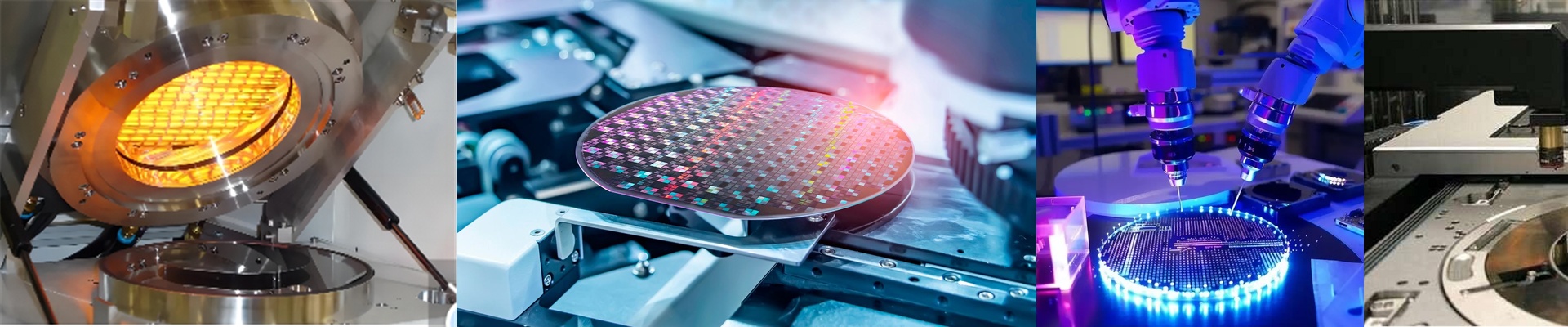
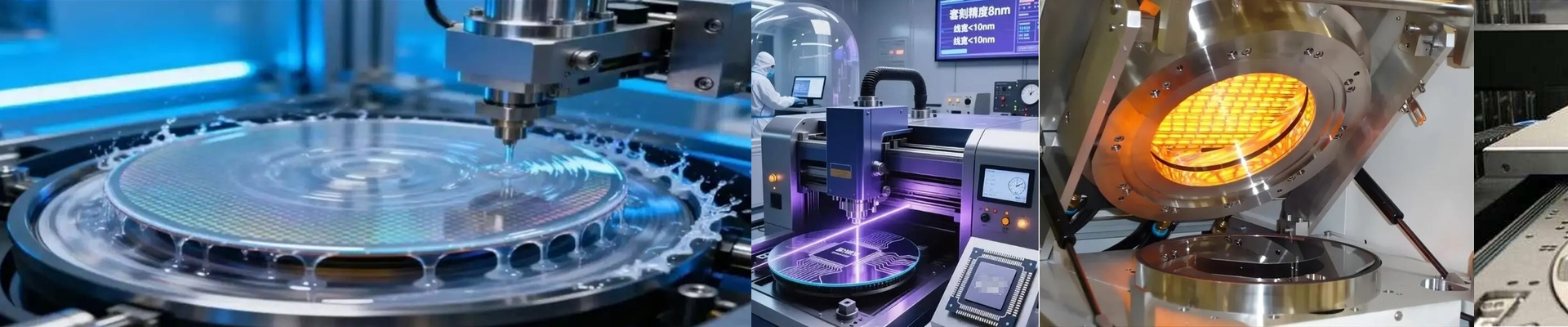
The semiconductor world is pushing hard toward “green” and lead-free standards. If you’re still relying on old-school convection ovens, you know the struggle. You’re basically heating up a massive room of air just to dry a tiny part. It’s slow, it wastes a ton of power, and it feels like waiting for a kettle to boil when you’re already late for work. We do things differently with twin tube gold-coated infrared (IR) lamps. Instead of heating the air, these lamps hit the substrate directly. No middleman. Just straight, efficient heat.
The secret is in the gold
Standard quartz tubes throw out a wide spectrum of heat, but a lot of it just wanders off. By adding a gold coating to a twin tube setup, we basically build a mirror inside the lamp. It bounces the long-wave radiation back in and forces the energy into a tight, short-wave band. The result? You get a much punchier heat density right on the surface of your wafer or PCB. It makes the curing process move a lot faster. And because it’s a “twin tube” design, we’re doubling the emitting surface without making the lamp any longer. You get more power in the same amount of space.
Handling lead-free requirements
Lead-free solders and adhesives are picky. If you don’t hit the exact thermal profile they need, you risk frying your sensitive components. That’s where the control comes in. Since these IR lamps can be pulsed or dimmed using SCR controllers, you can dial in the ramp-up rate exactly how you want it. Plus, there are no combustion gases or weird chemicals floating around. It’s just clean electricity.
The honest trade-offs
Now, I won’t tell you this is a magic wand. High-density IR heating has its quirks. Because that gold-coated radiation is so intense, you can run into “hot spots” if your parts aren’t perfectly uniform. You have to be smart about your reflectors and get the distance between the lamp and the target just right, or you’ll end up scorching your boards. Also, these things gethot. Like, really hot. If your cooling fans decide to quit, the quartz will stress out and burn out pretty quickly. You can’t ignore the airflow. We designed these to be drop-in replacements for existing lines. You swap them in, wire them up, calibrate your pyrometer, and you’re set. You hit your environmental goals, but your throughput stays right where it needs to be.