
Stop Wasting Heat in Your Semi Tools
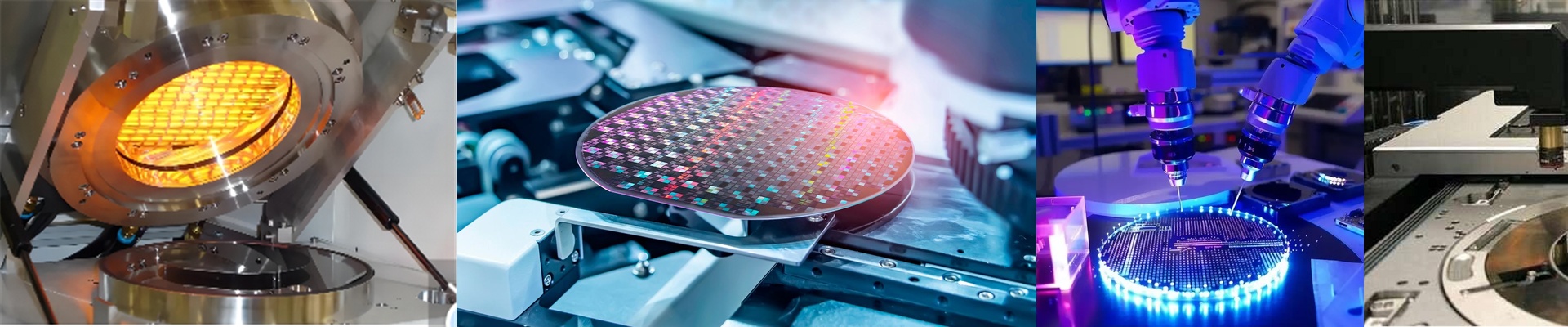
Most heating elements are kind of sloppy. They blast energy in every single direction. In a semiconductor fab, that’s a real problem. Think about it: you’re trying to heat a wafer, but you end up baking the inside of your machine too. It’s a waste of power, and it makes the equipment a safety hazard for anyone working on it. We fix this with directional IR heating. How it actually works Instead of letting heat soak into the machine’s skin, directional IR lamps use reflectors and wavelength tuning to push the energy exactly where it needs to go. It turns the heat into a tight beam. This means the walls of your tool don’t become “hot zones” that burn a technician during a quick fix or warp the tool frame because of thermal expansion. It just stays where it belongs. The nuts and bolts You can pick your lamps based on how much heat you actually need. We usually go with short-wave quartz tubes because they ramp up fast. Really fast. They run on standard industrial voltages, so they fit right into your existing grid. If you need high-wattage tubes for rapid processing, just make sure your cooling fans are beefy enough to handle the heat at the lamp head. What this means for the shop floor The biggest difference? Your tool walls stay cool to the touch. You stop fighting that constant battle against ambient heat soak. That’s a huge relief for your team, and it keeps the sensitive electronics near the chamber from frying. Switching over is usually as simple as swapping out your generic heaters. You get much tighter control over the wafer temperature and a safer workspace for the people running the line. Just a heads-up: because the beams are so tight, you’ll need to be a bit more precise with your alignment during install. If you’re off by a bit, you’ll end up with cold spots on your substrate.