

Why we swapped hot air for IR lamps in deep processing
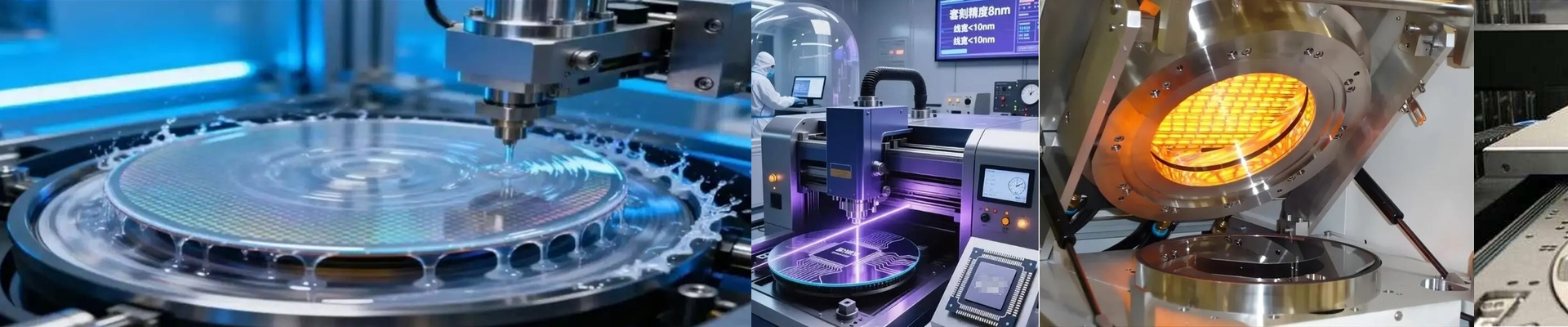
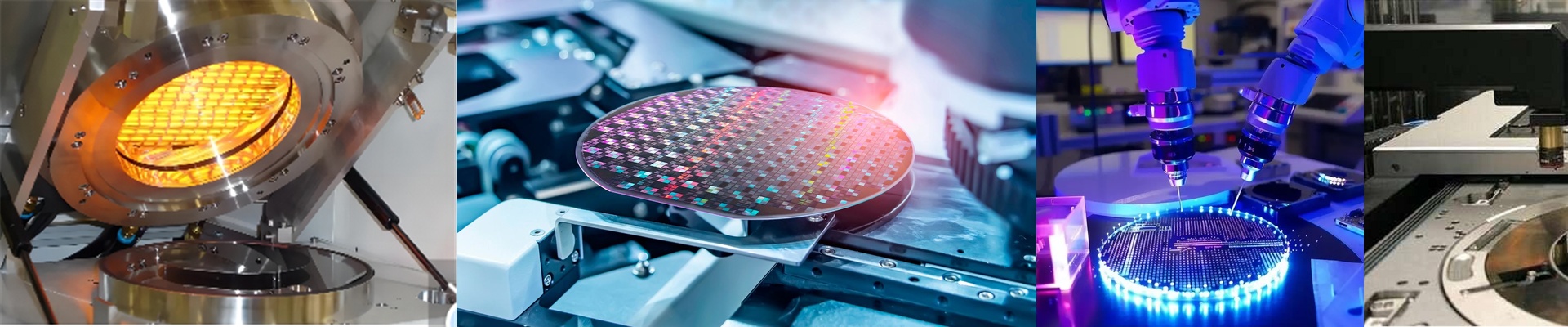
If you’re still relying on hot air circulation for your wafers, you’re essentially waiting around. Think about it. Hot air is just convection. You heat the air, the air heats the substrate, and you spend a lot of time just… waiting for the heat to travel. It’s a slow process. There’s a lag that you can practically feel. Switching to Ultra High Purity (UHP) infrared lamps changes the whole game. Instead of heating the room, you’re sending electromagnetic radiation straight to the target at the speed of light. It’s instant. When your ramp-up and ramp-down times plummet, your throughput spikes. If you can shave just 30 seconds off every single cycle, you aren’t just saving time—you’re seeing double-digit gains by the end of a shift. That’s a lot of extra product. But you can’t just throw a random halogen bulb in there. In a vacuum full of caustic gases, a standard tube would just give up. We use high-purity synthetic quartz because we can’t have “outgassing.” One tiny impurity leaking from the glass onto your wafer and your yield is ruined. It’s that simple. The real magic, though, is the power density. We cram a ton of wattage into a tiny footprint. This lets you hit your temperature set-points almost immediately. No more waiting for a blower to push air around the chamber. You just get the heat exactly where you need it. Now, it’s not all magic. There are things you have to watch out for. IR is directional. It doesn’t “wrap around” a part like air does; it needs a clear line of sight. If your lamp placement is off, you’ll end up with cold spots on your wafer. You have to be intentional about where those lamps sit. And a word of warning: these high-wattage UHP lamps gethot. I mean really hot, especially at the terminals. If your wiring or cooling jackets aren’t up to the task, you’re going to burn through your connectors. Get the hardware right, and you’re golden.