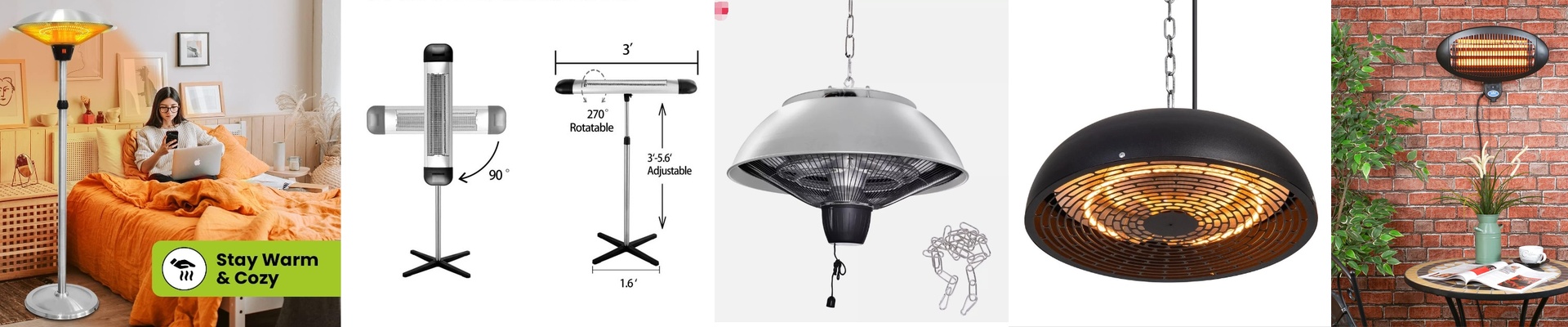

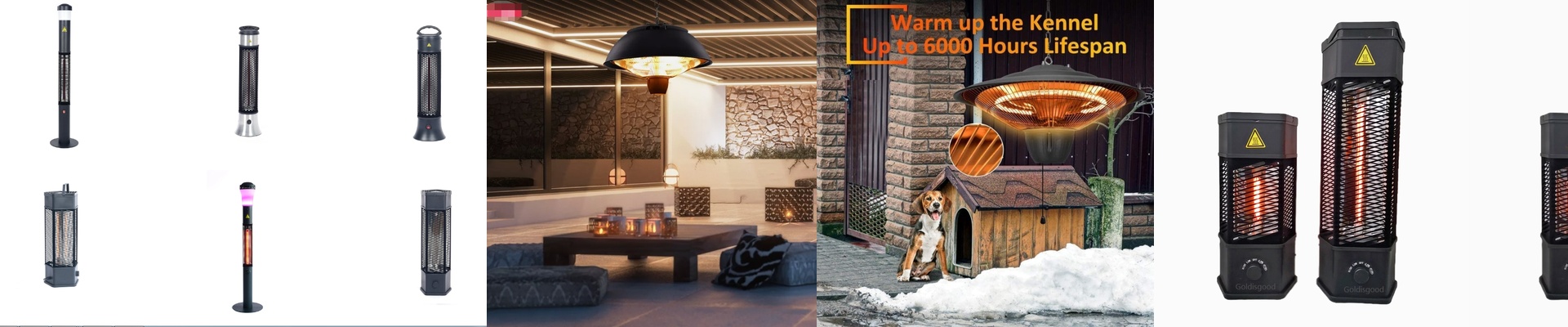
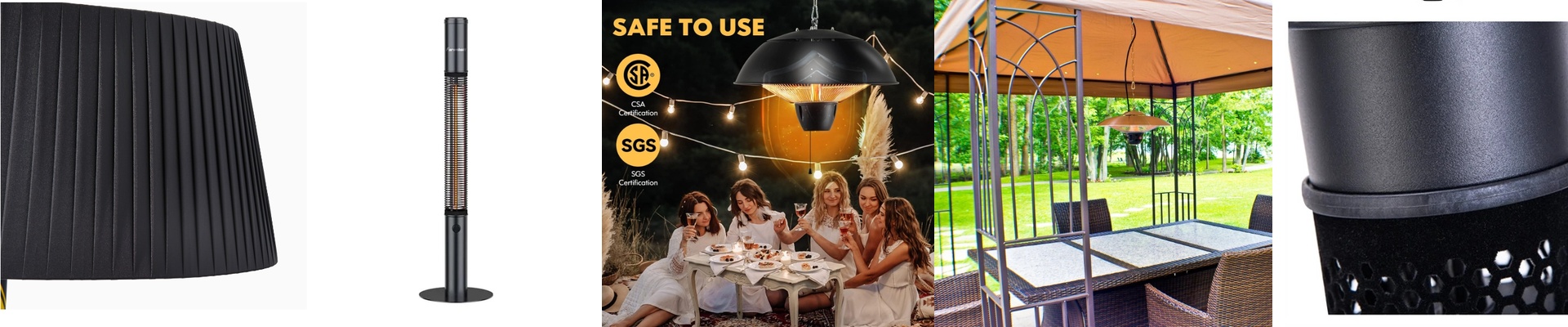
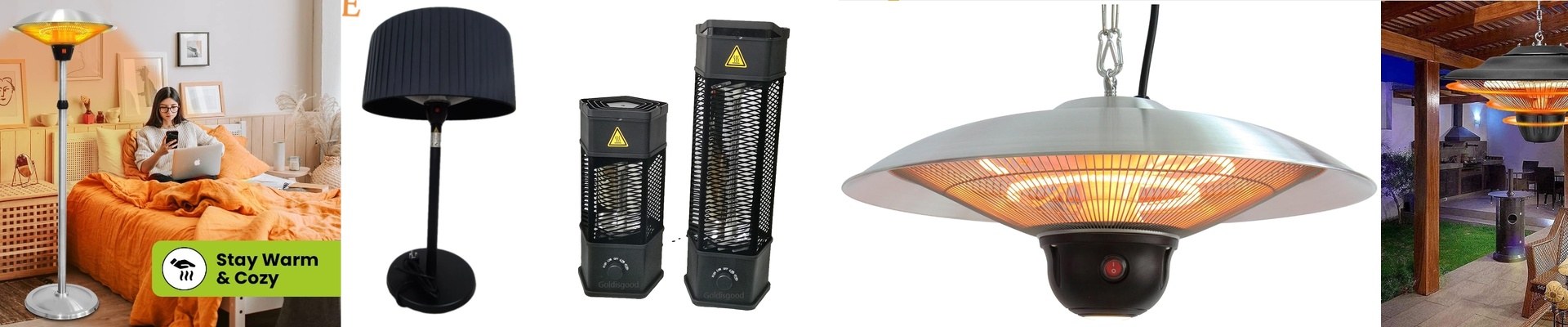
Why we’re ditching old heat lamps for high-IP infrared heaters
Ever notice how those old-school bathroom heat lamps always seem to burn out right when you need them most? It’s not a coincidence. Most of those basic quartz tubes have electrical contacts just sitting there, totally exposed to the steam. In a humid bathroom, that’s a recipe for disaster. The moisture eats away at the metal, things oxidize, and—pop—your heater is dead. That’s why we’ve been moving toward high-standard waterproof infrared heaters. They basically put the heating element in a protective bubble, keeping the steam far away from the electronics. The feeling of instant warmth Here is the thing about most heaters: they try to warm up the air. But in a bathroom, the air just disappears through the vents. You’re basically heating the outdoors. Infrared is different. It doesn’t mess with the air; it sends out waves that hit your skin and the walls directly. You don’t have to stand around waiting for the room to “warm up.” You feel it the second you flip the switch. It’s an immediate, cozy heat. Keeping things safe (and dry) Putting a standard heater near a shower is a bad idea. That’s where those “IP ratings” come in. Think of it as a seal. We use units with high IP ratings because they’re built to handle water jets and heavy steam without breaking a sweat. With sealed gaskets and casings that don’t rust, the wiring stays bone-dry. Because if water hits the terminal block? You’ve got a short circuit. And nobody wants that in a shower. A few things to keep in mind These are usually ceiling-mounted drops. They’re pretty straightforward to wire into your current setup, but just double-check that your breaker can handle the power draw. There is one little catch, though. Because those waterproof seals are so tight, they can sometimes trap heat inside the fixture itself. If you put a massive heater in a tiny room, the internal safety switch might trip to prevent overheating. You just have to make sure the wattage matches your ceiling height and room size. But once you get that balance right? You stop spending your weekends replacing burnt-out bulbs every few months. Everything just stays working.