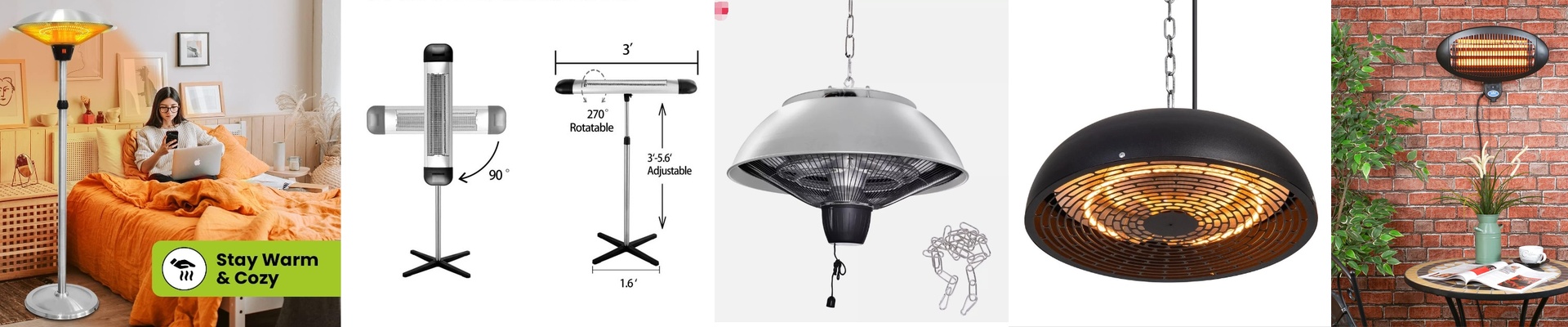
Introduction
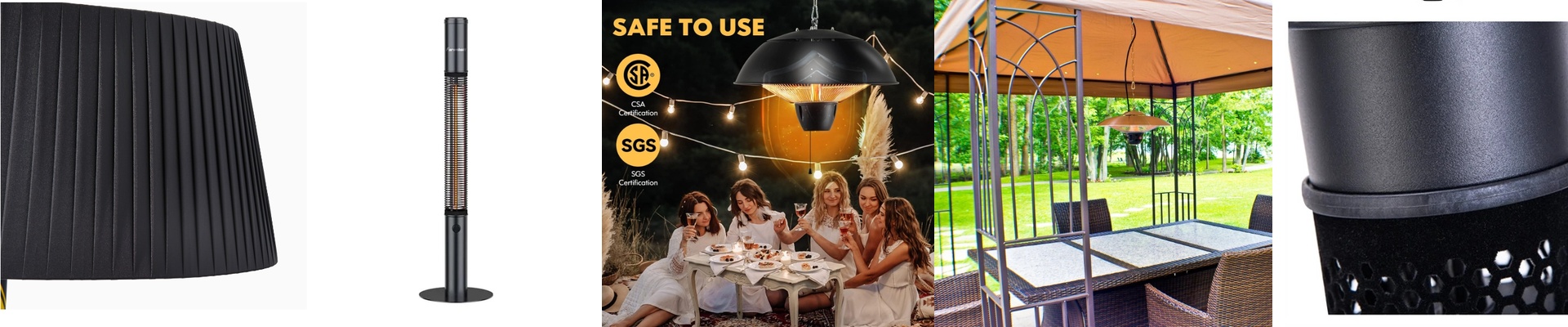
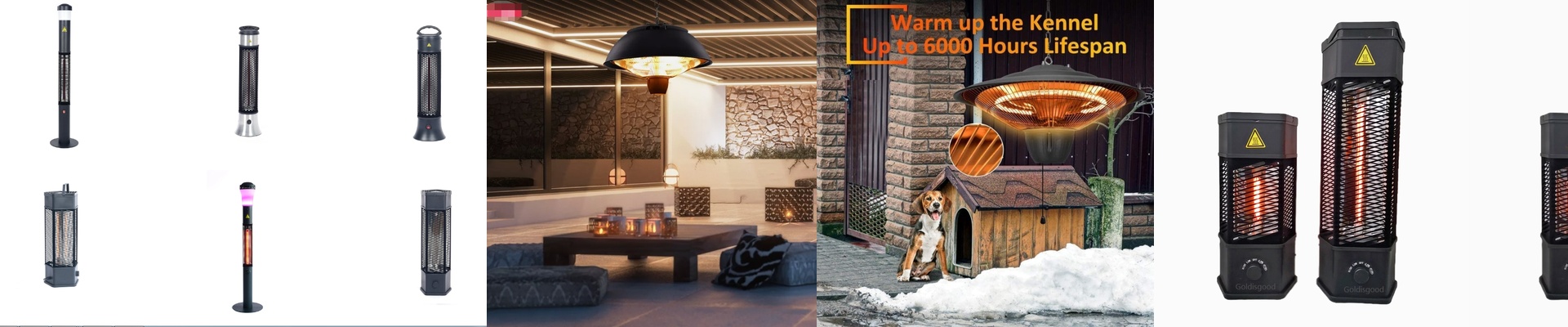
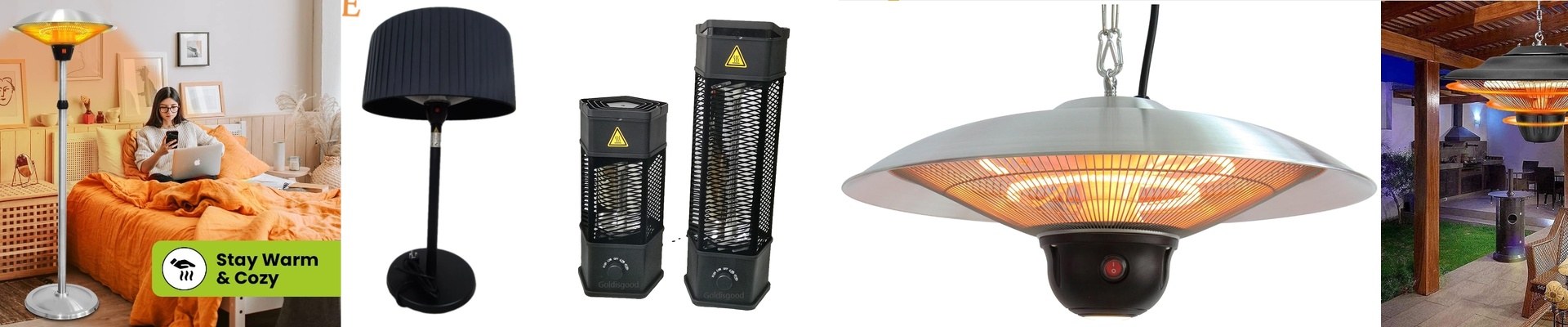
You know how bathroom heaters used to be? Those clunky, lamp-style units that always felt a little… meh. Well, things are changing. We’re seeing a real shift toward high-grade, waterproof infrared heaters. And honestly, it’s more than just a style upgrade. It’s a smarter way to solve a real-world problem: how do you get fast, reliable heat in a room that’s basically a wet zone? These new units are built to handle the moisture and deliver that toasty, targeted warmth the moment you need it.
Let’s Get into the Tech
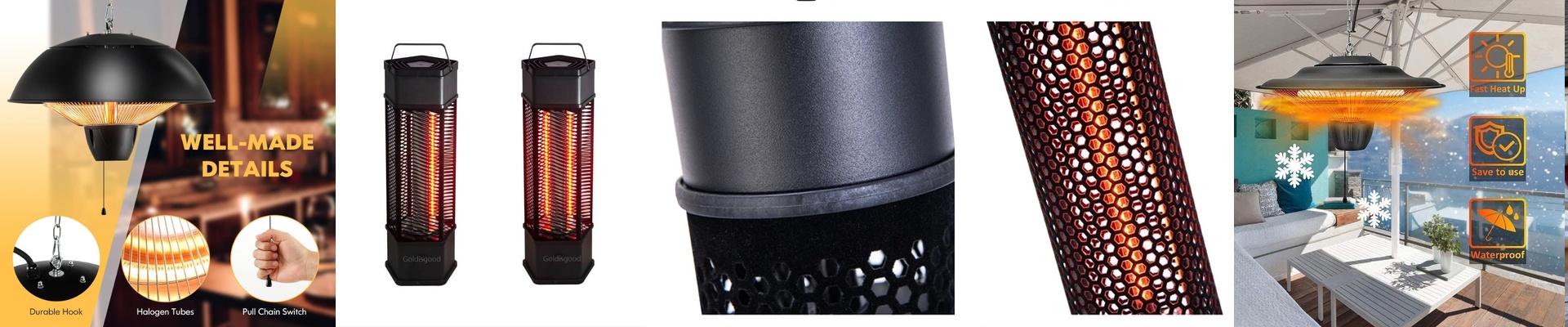
So, how do these things actually work? It’s all about smart engineering. Most run on standard home power and pack a serious punch in a small space. The design is intentional, too. A shorter tube focuses the heat right where you need it, while a longer one spreads it out more. That means you can match the heater to the size of your bathroom without having to overthink the wiring. But the real hero here is the waterproof rating. Bathrooms are full of steam and splashes. A higher rating means the seals, joints, and housing are locked down tight against water. That’s what keeps the terminals from failing and prevents any nasty short circuits.
The Materials and Design That Matter
The heart of the heater is a quartz tube, filled with halogen gas. Quartz is tough—it can handle extreme heat and doesn’t crack under pressure. The halogen gas does a clever thing: it creates a cycle that keeps the heating element clean, so the heat stays consistent over time. Then there’s the reflective coating behind the element. It’s like a mirror, pushing all that infrared energy forward where you want it, so you’re not wasting heat. And the connector? It uses an R7s design—a solid, two-pin setup that handles high current and makes a reliable connection. It’s built to last through countless on-off cycles, which matters when it’s mounted up on the wall. If you’re replacing an older unit, this one just drops right in.
Why It Works in the Real World
For anyone installing these, the big win is reliability. Infrared heat warms you and the surfaces around you directly, not the air. So you feel the warmth almost instantly, and drafts don’t mess with it. Plus, because it’s so waterproof, you can put it much closer to the shower. That makes the whole installation process way simpler. Now, there is one thing to keep in mind: all that power means you need proper thermal management. The enclosure around it has to be rated for the heat, and the wiring has to meet local codes for damp areas. Plan the heat load, then wire it up right. The payoff? A bathroom heater that can take a beating—steam, splashes, the works—and still just keeps on performing.