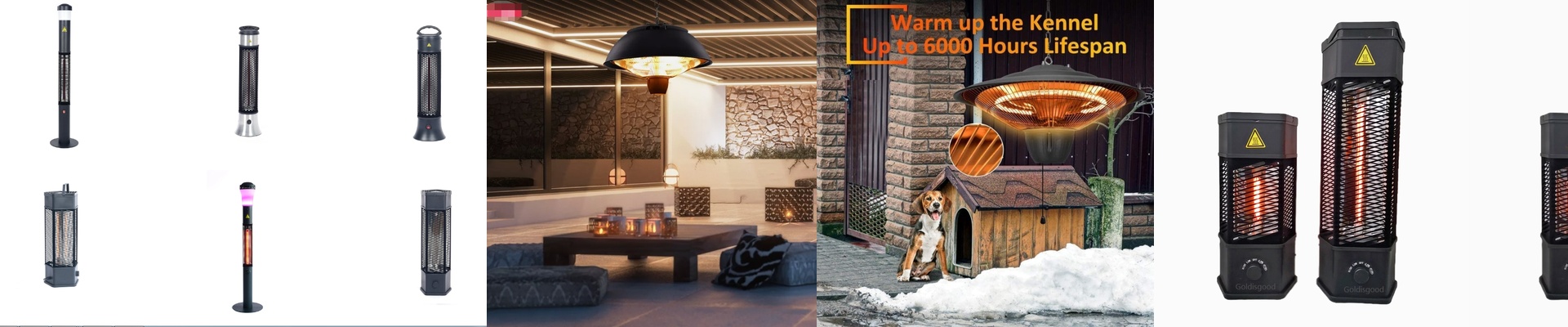
If your outdoor evenings cut out early because the air turns sharp, you know the drill—watching the meter spin while you wait for heat to show up. Traditional electric oil-filled radiators can make a room feel warm, but they spend energy heating air. And the moment a door opens, that warmth is gone. Outdoors, that loss isn’t a moment—it’s constant.
What matters, technically
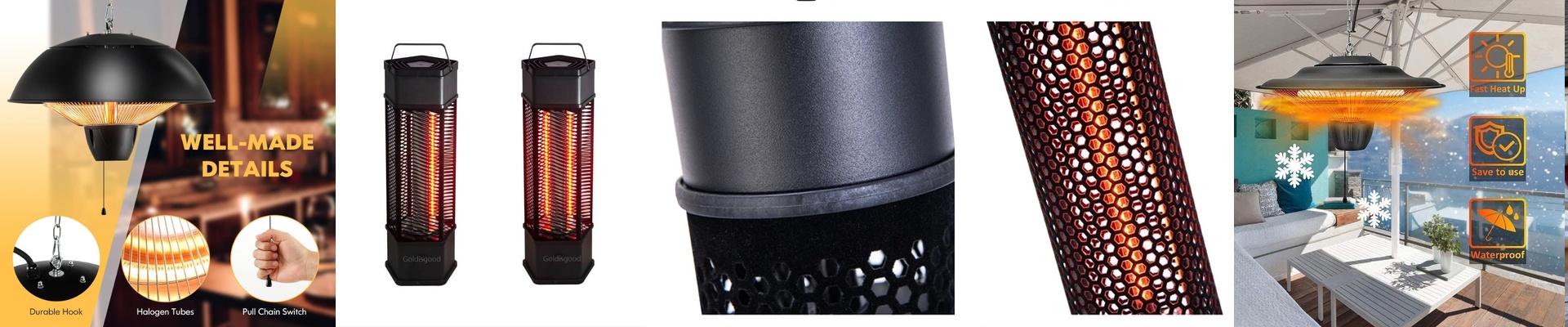
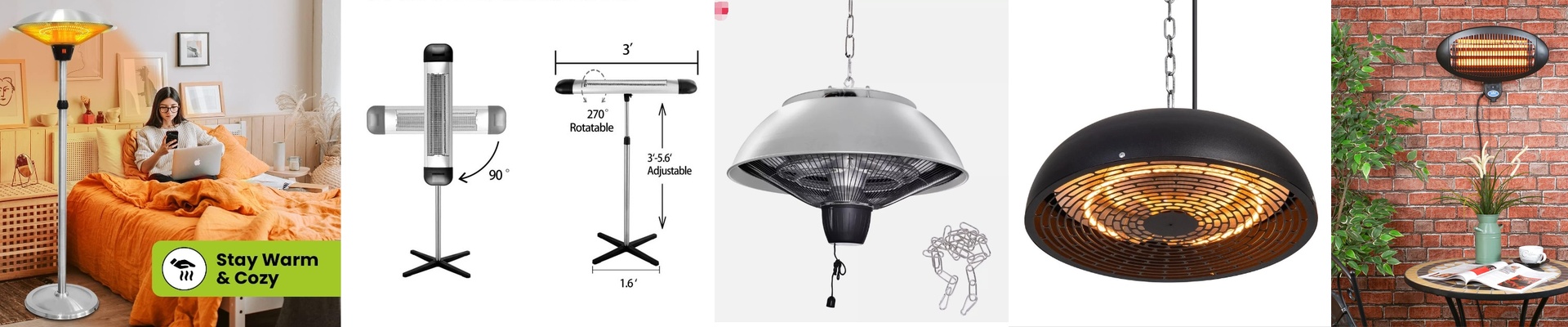
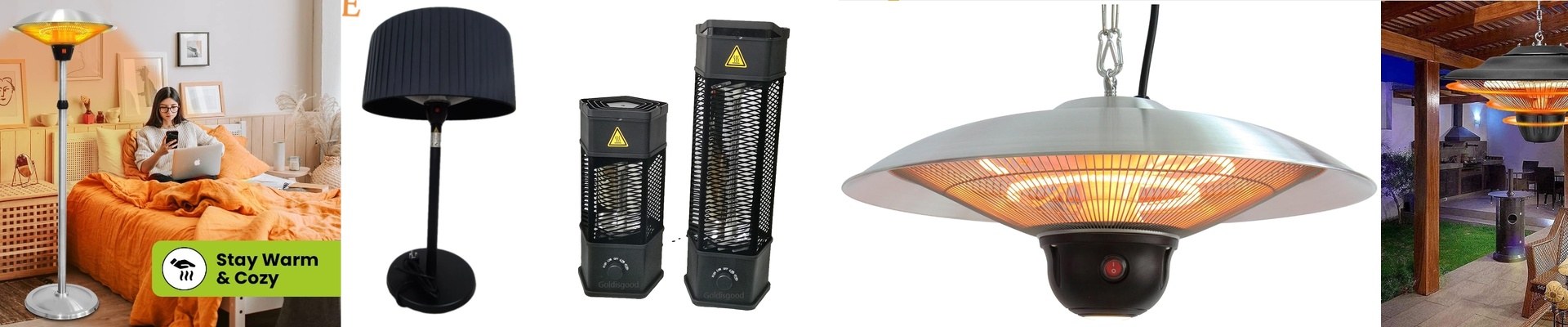
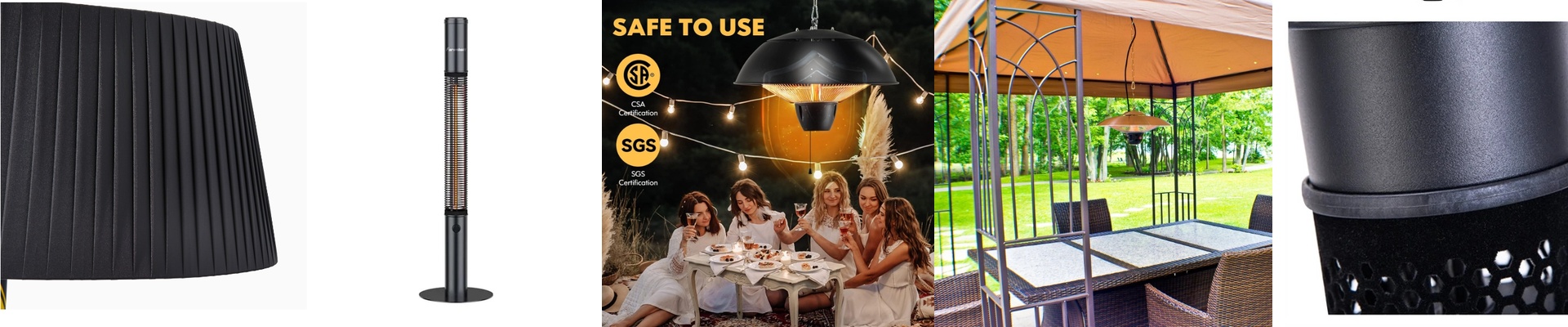
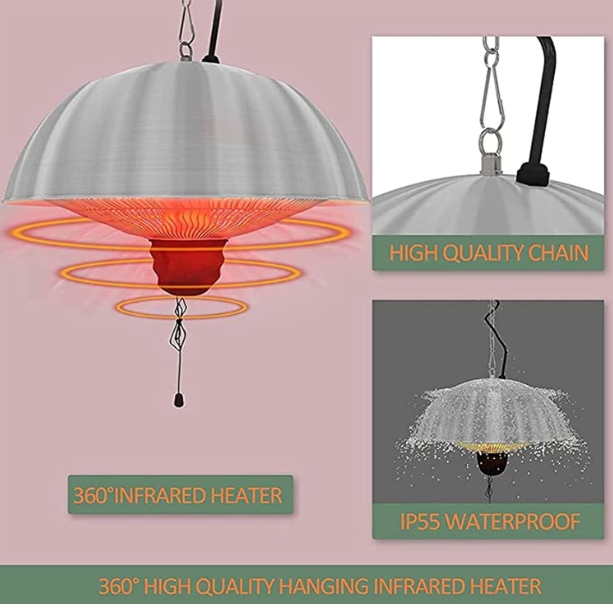
We build our electric patio heater around short-wave infrared radiation. It sends warmth in straight lines and puts it right where people are—on skin, on furniture, on the floor. No heating the air first. Surfaces get warm, and you feel it within seconds, not minutes. The core is a high-efficiency quartz tube element, housed in a tough, weather-resistant body with an IP rating for waterproof performance. That’s the practical bit: moisture, wind, and seasonal swings won’t knock it out early.
Why it holds up outdoors
Compared with a traditional electric oil-filled radiator, you get the same “comfortable” feeling with far less wasted energy. Oil-filled units have to heat up a lot of mass, then rely on convection to move that heat around. Infrared skips all that. In side-by-side use, many homes hit the same perceived warmth using roughly 30–40% less electricity. The reason is simple: the heater isn’t fighting the outdoor air—it’s delivering targeted radiant warmth where you actually sit. The result is lower running costs, fewer on/off cycles, and a steadier, more even feel.
What you need to get right
For best results, mount the patio heater 6–8 feet above the seating area and angle it slightly downward to cover the space properly. It runs on standard household power, but like any outdoor electric heater, it should be plugged into a grounded outlet with an outdoor-rated cord. Because infrared warms objects directly, you’ll often feel a gentle warmth on exposed skin even when the surrounding air still feels cool. That’s normal. Keep the unit well away from combustible materials and follow the clearance distances in the manual.