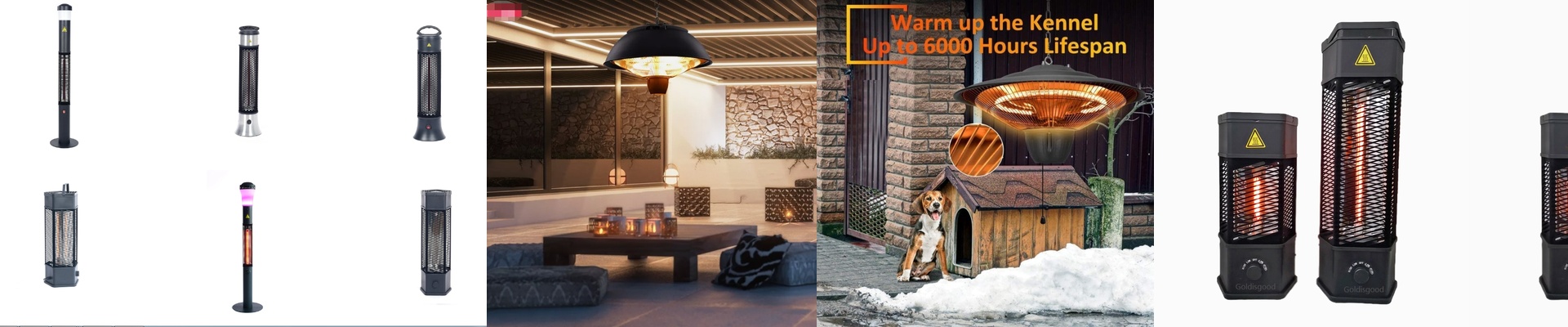
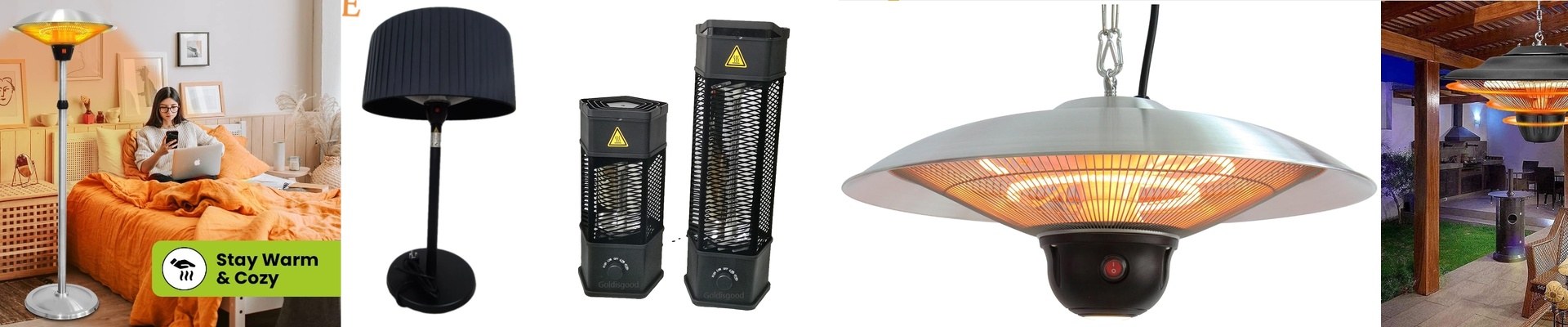
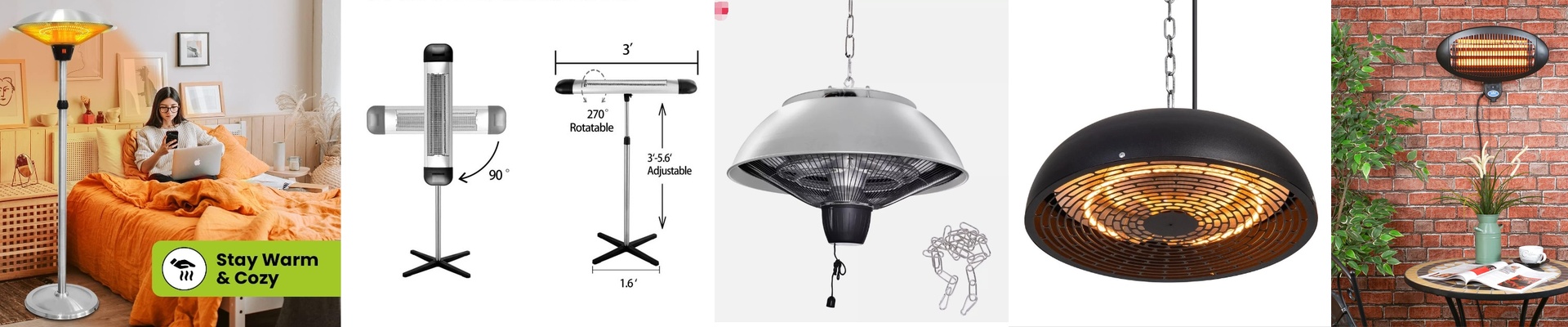
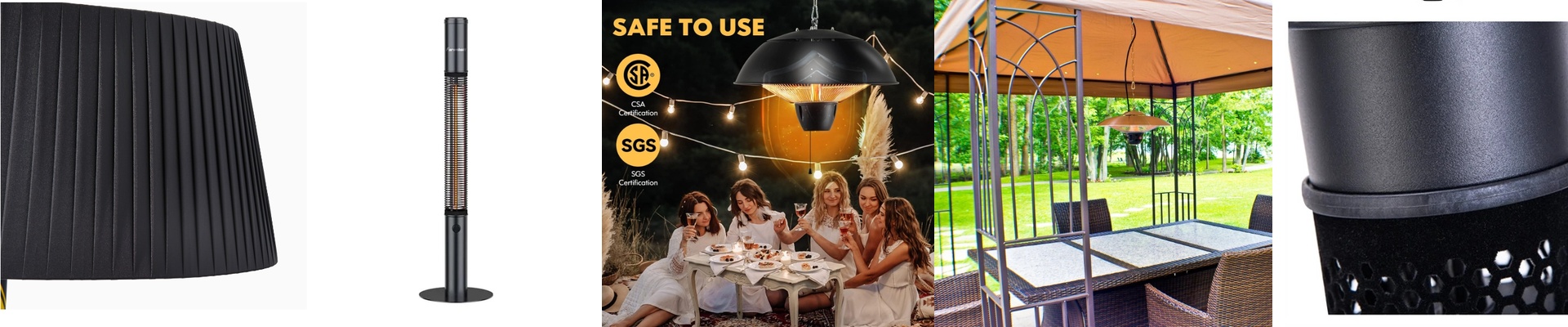
Winter turns your tent into a cold box. The night drags, breath shows, hands stiffen, and sleep stays out of reach. A tent heater for winter isn’t about drama. It’s about getting the temperature back into the human range so you can rest, think, and wake up ready.
What matters, under the skin
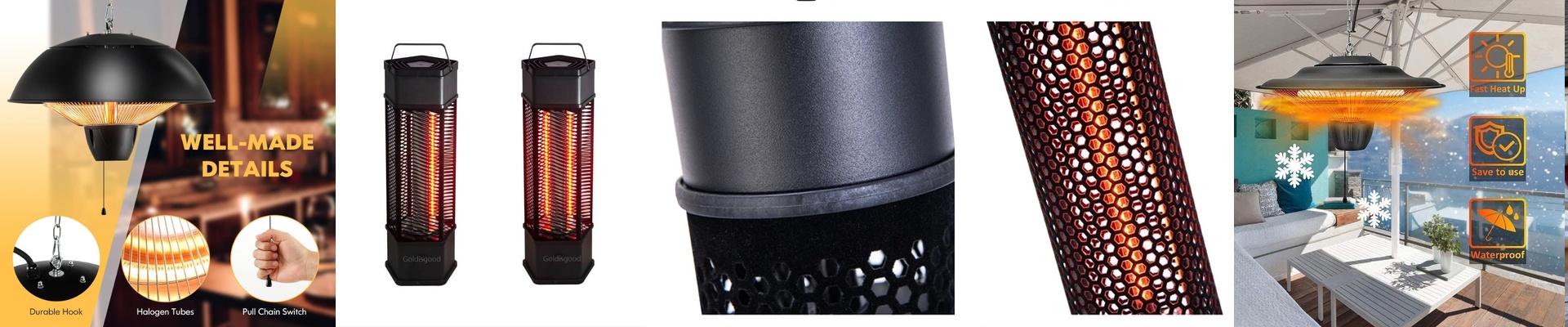
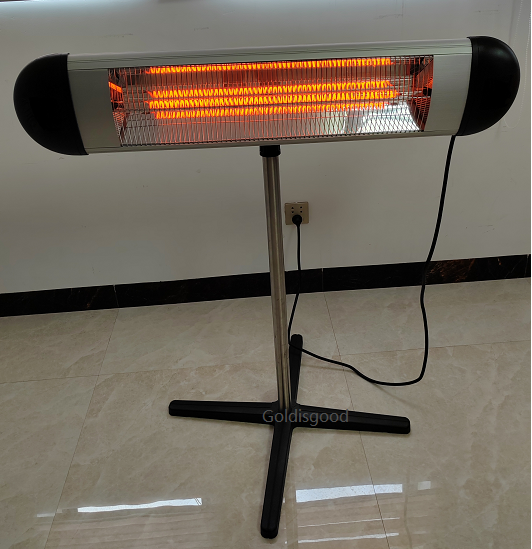
We build our tent heater around radiant warmth, delivered by an electric infrared element. Instead of trying to heat air that leaks out through seams, it sends heat straight to people and surfaces—much like the sun, just safer and easier to control. The core is a carbon fiber heating element paired with a reflector that focuses output forward, so you feel warmth quickly, not after the whole volume of air pretends to warm up. On the practical side, a 120V electric heater with a compact footprint fits where space is tight, and the thermostat keeps the space from swinging between too hot and too cold. Safety is built in: tip-over protection shuts the unit off if it gets knocked over, and a protective grill keeps contact at a safe distance. For damp, drafty conditions, look for an IP rating that matches the exposure—enough to handle condensation and splashes without failing.
Why this approach fits a winter tent
A winter tent is a moving target. Wind shifts the heat loss, the ground sucks warmth away, and every zipper opening resets comfort. Radiant heat makes the difference because it warms you first. You feel the comfort within minutes, and you don’t waste energy trying to heat air that keeps leaving. That translates to better sleep, steadier breathing, and less stiffness in the morning—real wellness benefits when temperatures drop. It also makes the space more usable: you can read, cook, or change layers without hurrying back into a sleeping bag. At the campsite, the electric design runs quietly, with no fumes and no fuel handling.
The details that keep it simple
Tent heating works best when the heater and the shelter work together. Place the unit on a stable, level surface and keep clearances open—follow the manual, because airflow and distance matter. Pair it with a tent that has a good inner liner and a weatherproof outer layer to cut drafts and manage condensation. One practical trade-off: in very cold conditions, you may still want a secondary low-watt boost to keep the air from feeling crisp. Also, keep the heater away from sleeping bags and gear, and always run a carbon monoxide detector if any other heat source is in use nearby. Comfort is straightforward when you plan for it.