Introduction
Let’s talk about bathroom heaters. It’s not just about making a cold room cozy. We’re talking about putting a powerful electrical device into the most brutal environment in your house. A place that’s constantly wet, steamy, and just plain hostile. The real goal? Keeping electricity 100% isolated and rock-solid reliable, no matter how humid it gets. That’s exactly why we built our waterproof infrared heater. It throws off direct, radiant warmth, and it does it all without ever cutting corners on electrical safety.
What’s Under the Hood: Power and Specs
Infrared heating is all about packing a lot of power into a small space. So, our units run on standard voltage, but they squeeze a huge amount of heat out of a short tube. This is great for spot heating—you get intense warmth right where you need it. But here’s the catch. That kind of concentrated power means things get seriously hot in one spot. So, whatever you’re mounting this to, and the materials around it, have to be able to handle that heat day in and day out. You get the warmth, but you’ve got to plan for the heat.
The Secret to Staying Dry: Material and Design
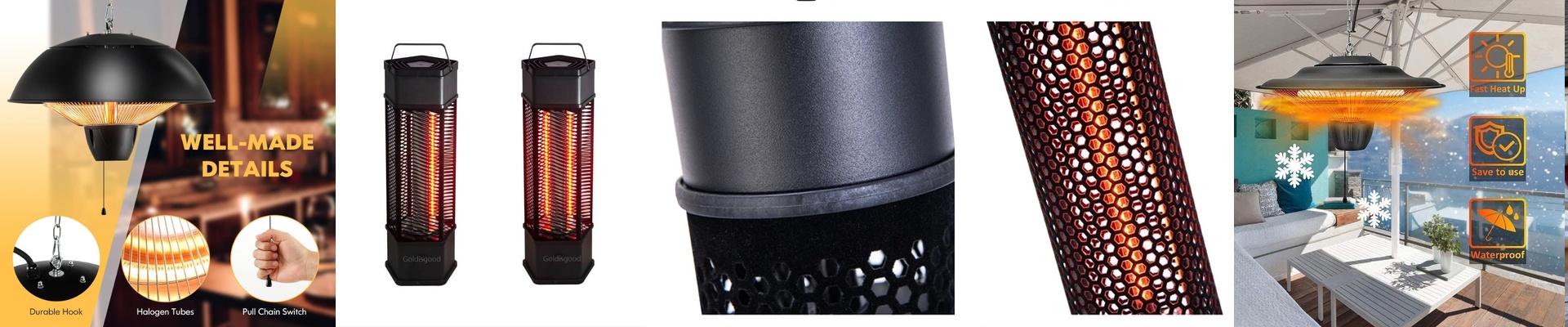
The heart of the whole thing is a halogen-filled quartz tube. Quartz is tough—it handles the shock of turning on and off again and again way better than regular glass. And the halogen gas inside? It keeps the filament from blackening, so the whole thing lasts longer. Now, the waterproofing. This isn’t just about a single rubber gasket. It’s a completely sealed housing and junction box. That’s what keeps every electrical connection bone-dry. We use an R7s connector, too. It’s a double-ended linear contact that makes wiring a breeze and creates a solid connection that won’t wiggle loose. Get the wiring right, and that seal holds tight. The lamp stays perfectly dry inside, every single time.
Why It’s the Right Fit for Your Bathroom
Think about a bathroom. Steam condenses on everything. With a standard heater, you’re just asking for a short circuit at the terminals or along the body. Our sealed design keeps all the live parts completely isolated from the wet air. And because the infrared heat warms people and surfaces directly—without having to heat the air first—it helps stop condensation right where it starts. It’s a drop-in solution for any high-humidity area, but it needs proper grounding and an enclosure that can take the heat. The safety here isn’t based on hope. It’s built right into the design.