

Stopping the Shorts: Waterproof IR for Fab Rinse Lines
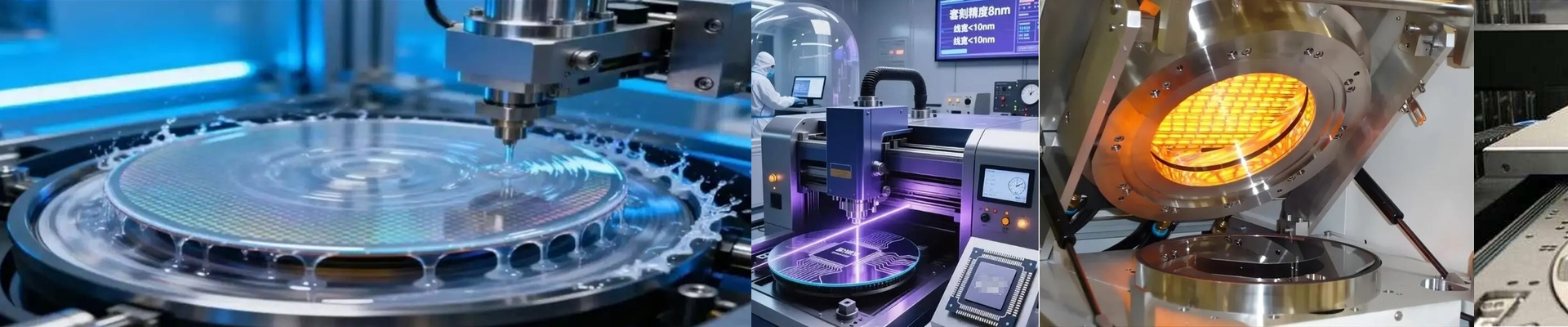
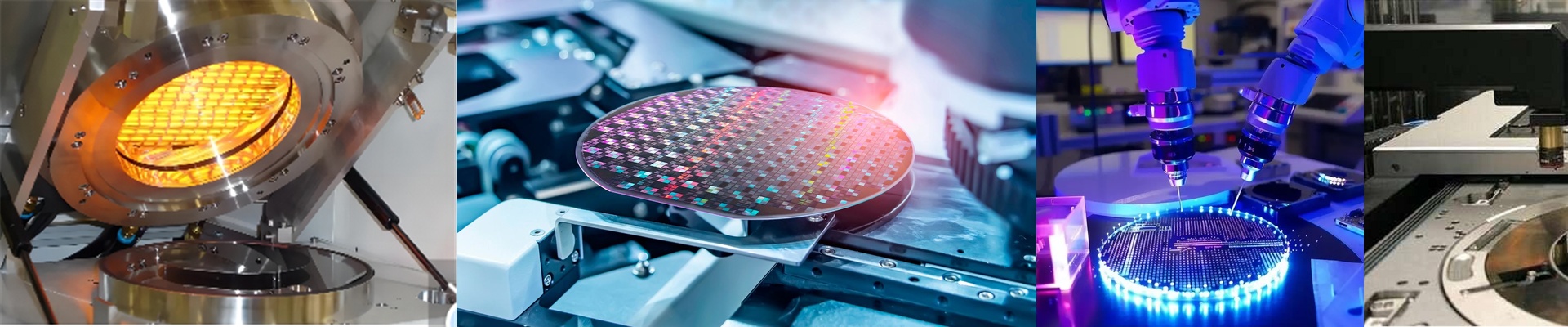
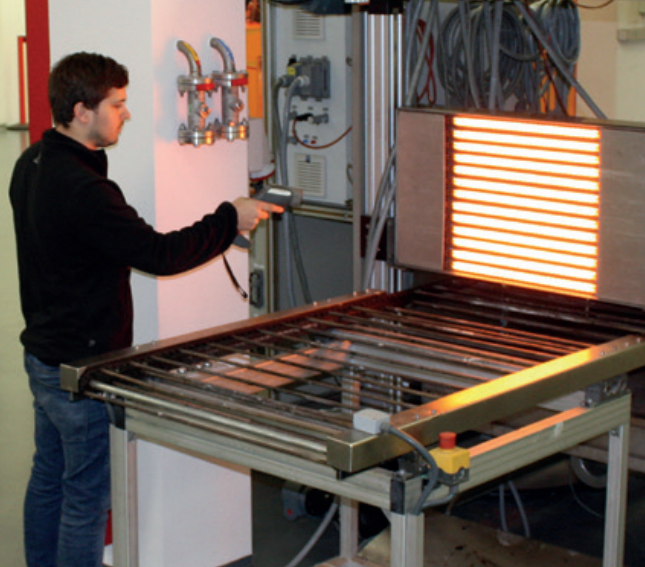
If you’ve spent any time around a Fab rinse stage, you know the headache. You’re fighting a constant battle: you need the wafers to heat back up fast, but your heating elements are sitting right in the middle of a mist of moisture and chemical vapors. It’s a recipe for disaster. Usually, that means shorted circuits or quartz envelopes that just give up. That’s why we build our infrared (IR) lamps to be actually waterproof. No more crossing your fingers every time the rinse cycle kicks in. Why short-wave IR? Look, old-school convection ovens are slow. They waste time heating the air before they even touch the wafer. We use short-wave IR because it cuts out the middleman. The energy goes straight from the lamp to the substrate. It’s fast. Really fast. Plus, since these tie directly into your heating controller, you aren’t guessing anymore. You get a real-time look at how heat is actually hitting the wafer. If you’re trying to run a data-driven line, this is the only way to actually know what’s happening in there. The tricky part: Engineering for the wet stuff Most IR lamps fail in rinse zones because the seals leak. Simple as that. We handle this with specialized waterproof housings and heavy-duty seals where the wires meet the lamp. But here’s the catch: you can’t just seal it tight and call it a day. Quartz expands when it gets hot. If the housing is too rigid, the tube will just crack. It’s a delicate balance of “watertight” and “room to breathe.” A few things to keep in mind If you go with high-density IR arrays, your ramp-up time will be incredible. But be careful—that much heat in a small space puts a lot of pressure on your power setup. If you’re packing a bunch of 2kW lamps into one tight module, don’t forget your cooling fans and heat sinks. Otherwise, you’ll end up cooking the electronics sitting right next to the lamps. The good news? These systems plug right into your PLC using the standard protocols you’re already using. It’s a straightforward swap for those old, sluggish heaters that just can’t keep up with a high-throughput cycle. You stop guessing and start measuring.