
Infrared vs. Forced Convection: A Reality Check for Vacuum Processing
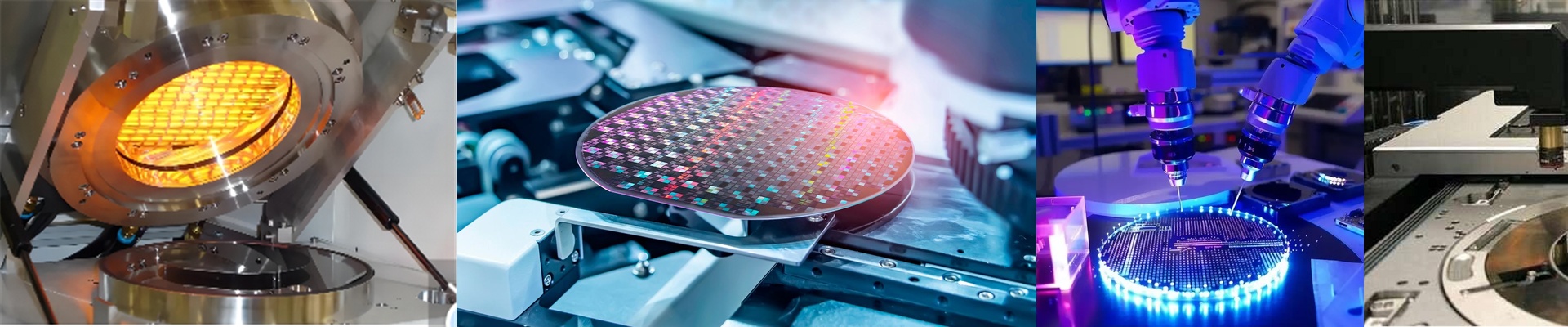
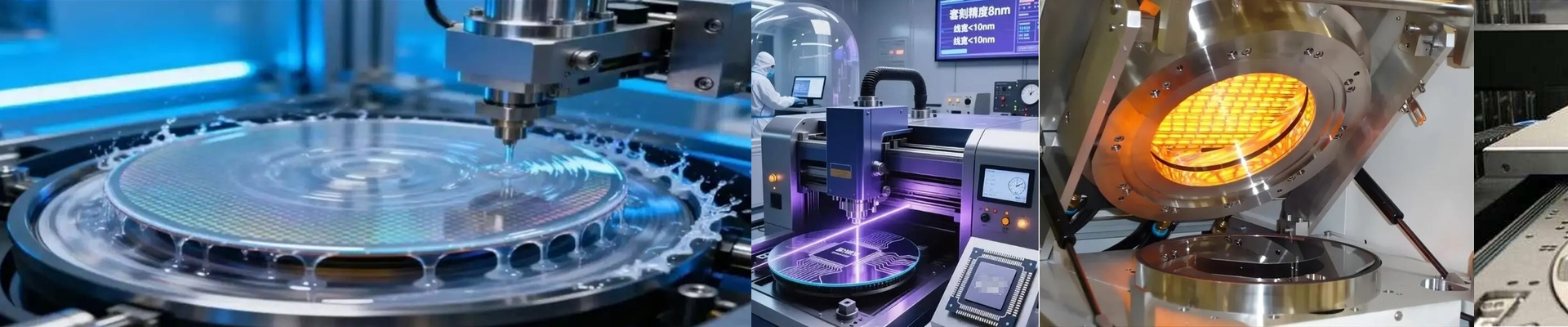
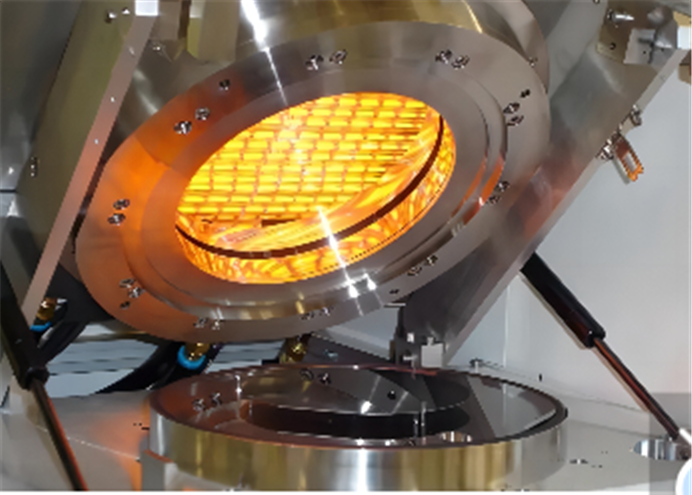
If you’ve ever tried to move from hot air circulation to vacuum-compatible infrared (IR) heaters, you know it completely changes how you handle your thermal budget. Here’s the thing: forced convection needs a medium to move heat around. But in a vacuum? That medium is gone. You can’t exactly “blow” heat onto a wafer when there’s no air to carry it. That’s where IR comes in. It uses electromagnetic radiation to hit the target directly. No middleman. The clock is always ticking Hot air systems are sluggish. They have this massive thermal inertia that forces you to sit around for minutes—sometimes hours—just waiting for the chamber to stabilize. It’s a drag. IR heaters are different. They’re almost instant. We’ve seen ramp-up times crash from minutes down to seconds. When you’re trying to scale your throughput, being able to flash-heat a surface without warming up the entire room is the only way to stop your process from hitting a wall. Getting it right in the cleanroom Of course, you can’t just throw any lamp in there. Vacuum-compatible IR lamps use specialized quartz and filaments because outgassing is a nightmare. One little leak of impurities and your cleanroom environment is shot. We stick to high-purity materials to keep the vacuum tight. The best part? You get a ton of power in a tiny footprint. You can actually target specific zones on a wafer, so you don’t end up with scorched edges while the center is still shivering. The catch Now, IR isn’t some magic fix. Because the heat hits so fast, you can actually shock the material if you’re too aggressive with the ramp-up. You’ll need to make sure your PID controllers can keep up. If your sensors are sluggish, you’ll overshoot your temp and end up scrapping the whole batch. It’s a gut-punch. Plus, don’t forget the exit strategy. Your cooling system has to be beefy enough to dump that heat quickly once the cycle ends. If it isn’t, all those seconds you saved during the heat-up just disappear during the cool-down.