
Why we’re ditching the ovens for IR curing
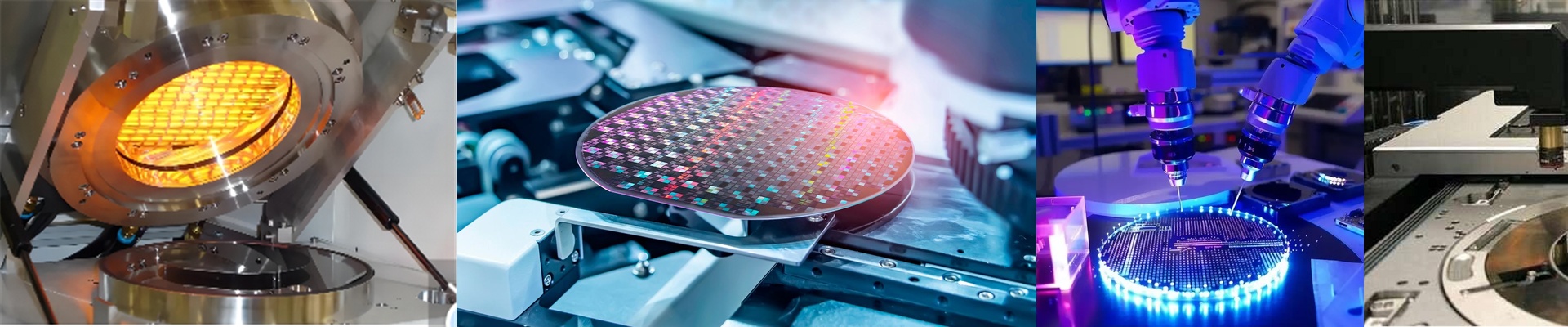
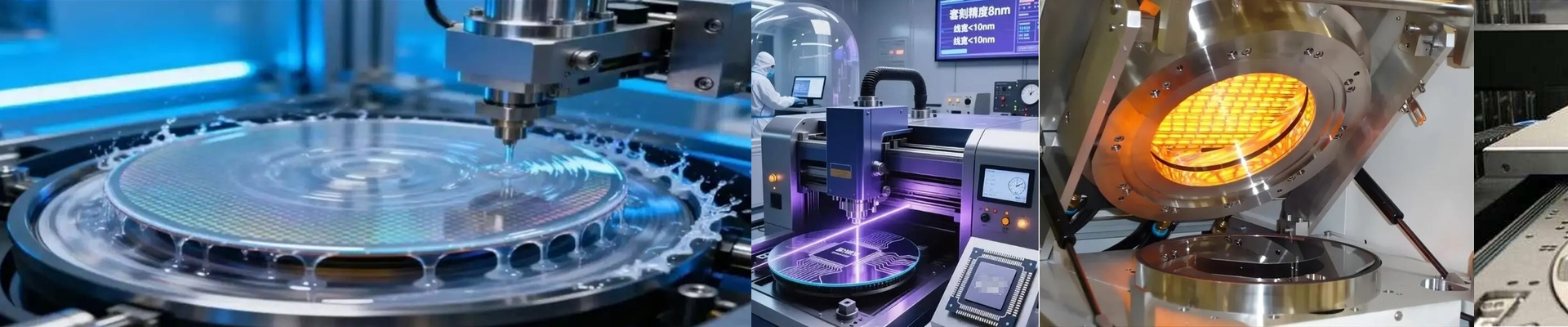
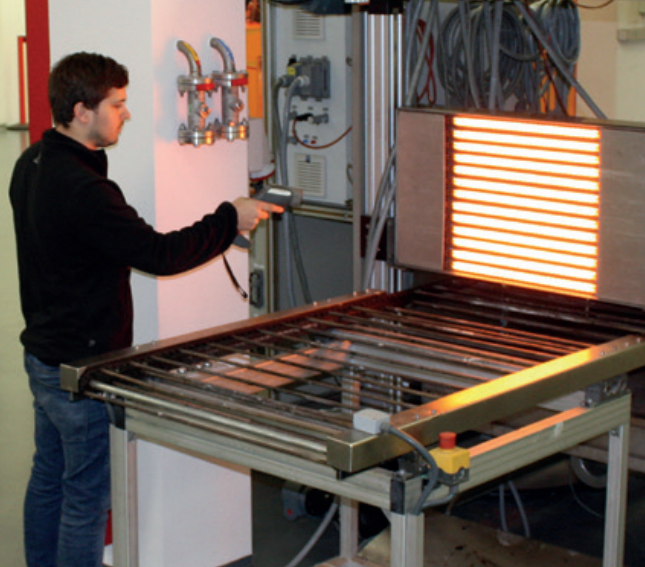
The semiconductor world is finally moving away from those old-school convection ovens. It makes sense. Between the “green” mandates and the push for lead-free materials, the old way of doing things just doesn’t cut it anymore. We’re switching to infrared (IR) curing because it gets rid of the nasty chemical solvents and stops us from wasting energy heating up air that doesn’t even matter. Here is how it actually works. Think about a convection oven. You’re basically heating up a giant box of air and hoping that air warms up your wafer. It’s slow. It’s wasteful. IR is different. It uses electromagnetic radiation to hit the wafer surface directly. The energy goes straight into the substrate, makes the molecules vibrate, and kicks out the volatiles almost instantly. It’s fast. Really fast. We’re talking about shrinking drying times from hours down to a few seconds. Cleaning up the process If you’re working with lead-free solder or eco-friendly resins, you have to be careful. These materials are picky. If the heat profile is off, you risk ruining the whole wafer. With IR, we can tweak the wavelength—shortwave or medium-wave—to fit exactly what the material needs. Plus, you can stop worrying about the carbon footprint of those massive gas-fired ovens. No combustion byproducts, no weird VOC emissions floating around the shop. Just clean heat. The tricky part Now, it’s not all magic. You have to be smart about heat density. Because IR lamps pack so much punch into such a small space, you can end up with “hot spots” if the wafer isn’t sitting just right. To fix this, we spend a lot of time obsessing over the distance gaps and using reflective shielding. We want that heat to be perfectly even across the entire diameter. And a heads-up: if your cooling system is too weak to handle that sudden spike in temperature, you’re going to see thermal stress. You can’t just ignore the cooldown. We design these systems to be simple drop-in replacements for your old thermal stages. You wire them in, dial in the intensity, and suddenly you aren’t throwing away half your power just to warm up a room.