
Dealing with Lamp Failures in High-Load Wafer Heating
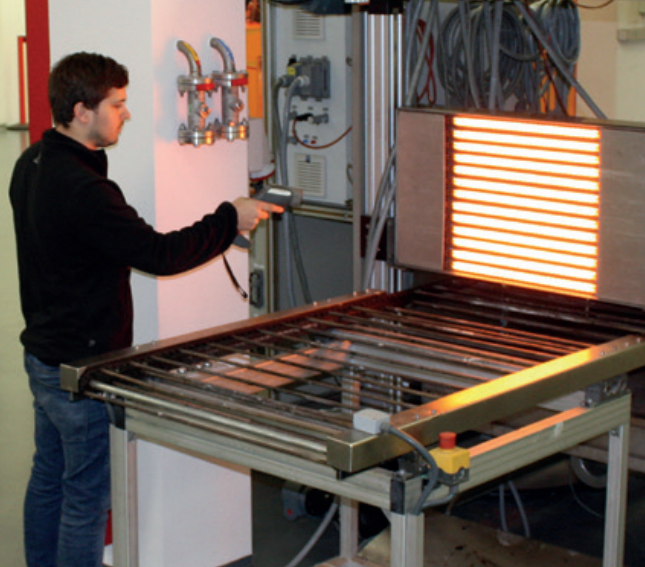
When you’re pushing your wafer heating lines to the limit, things get risky. Specifically, quartz lamps can burst. And let’s be honest: a shattered tube is a nightmare. It doesn’t just kill your uptime; it rains glass shards and chemical gunk all over your wafers. One bad pop and your entire batch is trash. That’s exactly why we build our infrared systems the way we do. The “Safety Gap” Logic There’s always a tug-of-war between heat flux and risk. I know it’s tempting to mount lamps as close as possible to get those ramp-up times down. But do that, and you’re just putting massive thermal stress on the quartz. We set a minimum safety gap based on the tube’s wattage. It’s simple. If a lamp decides to give up the ghost or crack, that gap ensures the debris flies away from your substrate instead of right onto it. Keeping the Mess Out We start with high-purity fused quartz because it can actually handle the shock of rapid cycling without cracking. But we don’t stop there. We add protective shielding. Think of these as a physical guard. They keep the heat focused where it needs to be, but if a lamp does break, the shards stay trapped inside the housing. You get the heat you need, and your wafers stay clean. The Balancing Act High-wattage shortwave lamps are fast. Really fast. But they’re demanding. They put a huge strain on your power supply and your cooling manifolds. Here’s the thing: if your cooling isn’t up to the task, heat builds up around the sockets. That leads to premature filament failure. It’s a domino effect. To stop the tubes from overheating and bursting, you have to balance that power output with the airflow in your chassis. Keep your clearances exact. Don’t crowd the footprint. Give the system room to breathe, and it’ll actually last.