
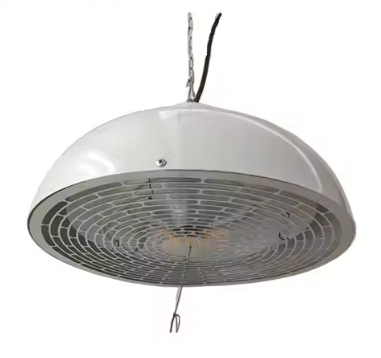
Walk into a big, open warehouse and watch how conventional heaters do their thing. They spend all their effort chasing air temperature—heating empty aisles and high ceilings long before anyone on the floor feels a thing. All that chasing drives up energy use, pushes the equipment hard, and leaves people still reaching for an extra layer. Infrared electric heaters change the approach. They warm people and specific surfaces directly, so comfort hits the moment someone steps into the beam.
What matters, technically
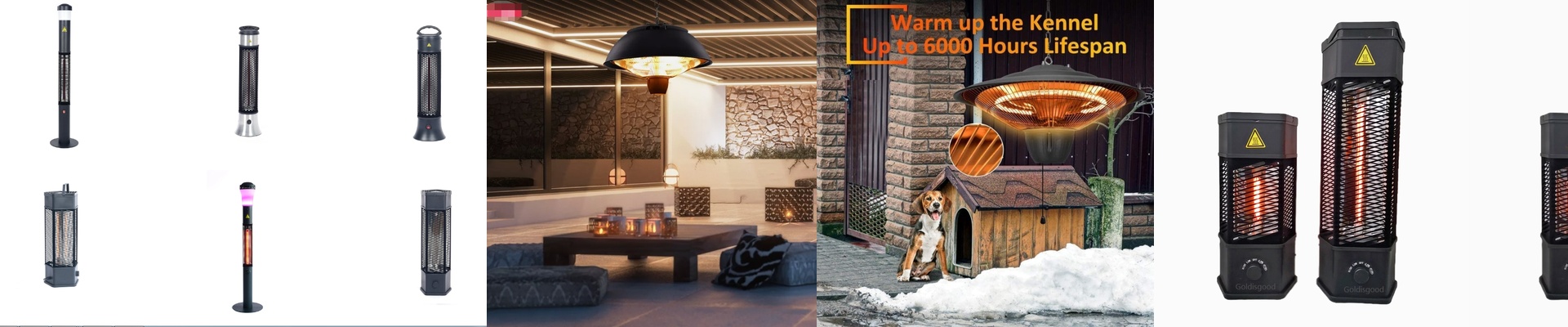
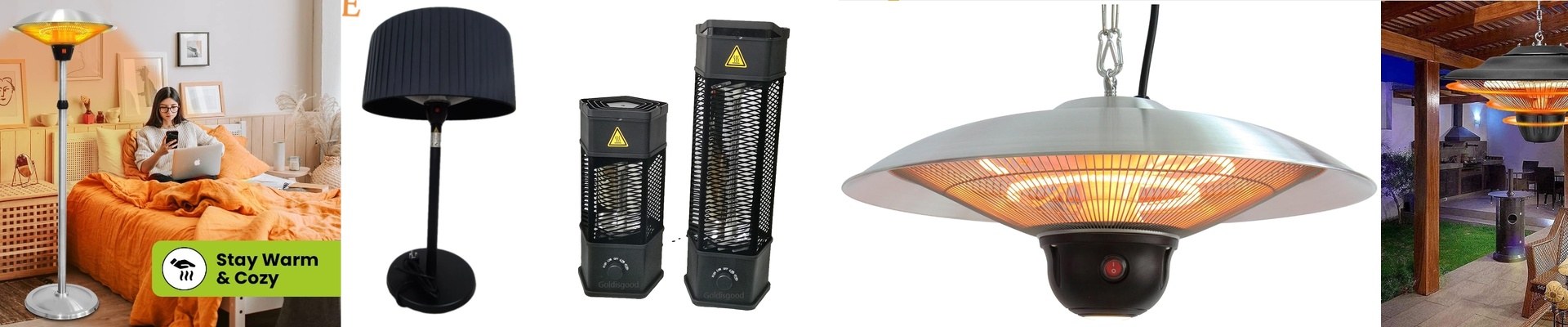
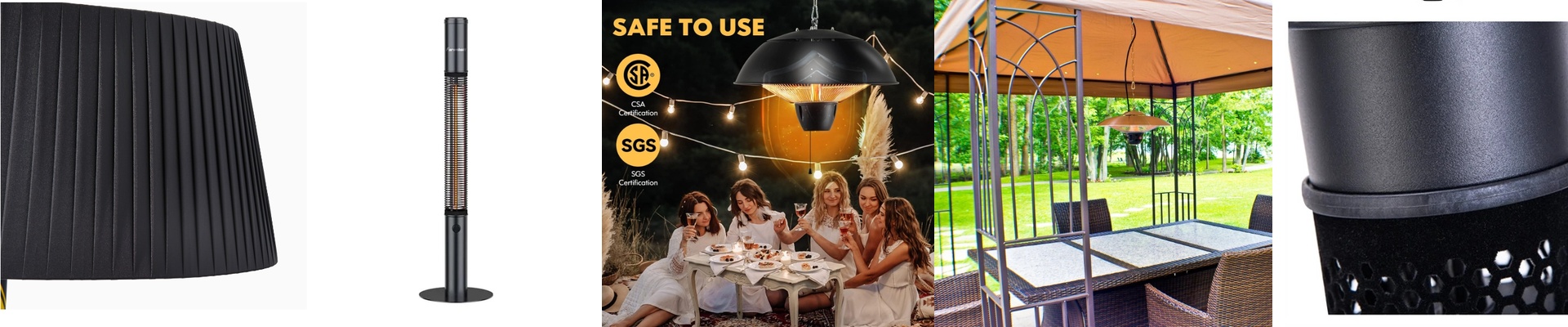
Infrared electric heaters deliver radiant heat—no blown air. We lean on high-efficiency quartz tubes or carbon fiber elements that emit in the short-wave to medium-wave bands, so warmth arrives right where it’s needed. Typical units run on standard 240V circuits, with outputs from 1.5 kW to 5 kW, and many are rated IP54 or higher for dust and splash resistance. A built-in thermostat and adjustable brackets let you dial in comfort and aim the beam precisely. For safety, look for tip-over protection and an overheat cutoff, and stick with models that have a sturdy steel housing and sealed heating chambers.
Why this works in a warehouse
In a large warehouse, the target is person-to-heat coverage, not heating the whole volume. Infrared heaters focus energy on workstations, dock doors, and picking paths, so staff feel warmth immediately—no waiting for the building envelope to warm up. That focus cuts energy waste because you’re not paying to heat unused space. It also helps protect goods from cold-related handling issues and keeps workflow steady by holding key areas at a comfortable temperature. The payoff is fewer interruptions, steadier productivity, and a clear drop in energy use compared to systems that try to heat the entire room.
The things you need to know
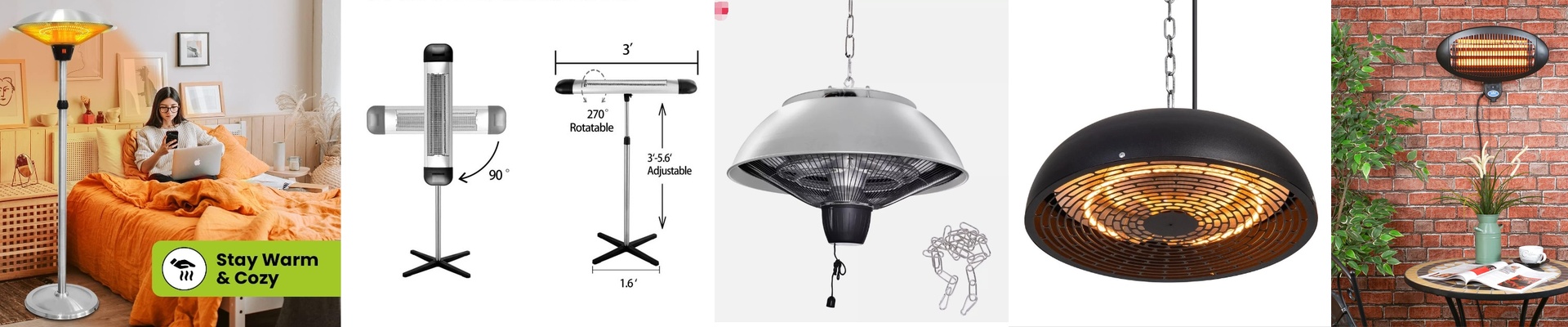
Infrared heat is directional, so placement is everything. Mount heaters 2.5 to 3.5 meters high, angle them toward work zones, and maintain a clear safety clearance from combustibles. You will get a bit of light from the element, and in low-light areas it can be noticeable. Positioning and shielding help minimize glare. If you need full-building comfort, pair infrared heaters with low-level circulation fans to blend the warmth without drafts. Plan the circuit layout to match the load, and confirm voltage compatibility with your electrical system.