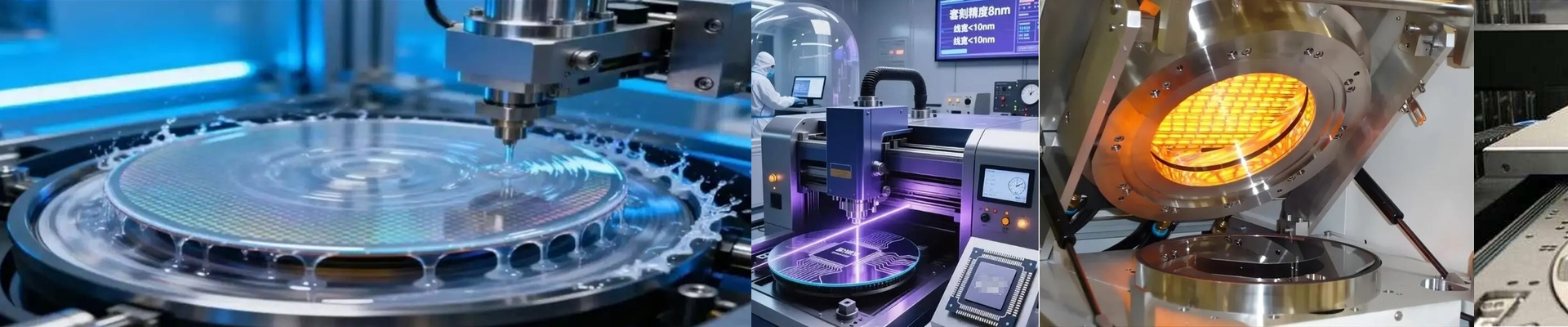
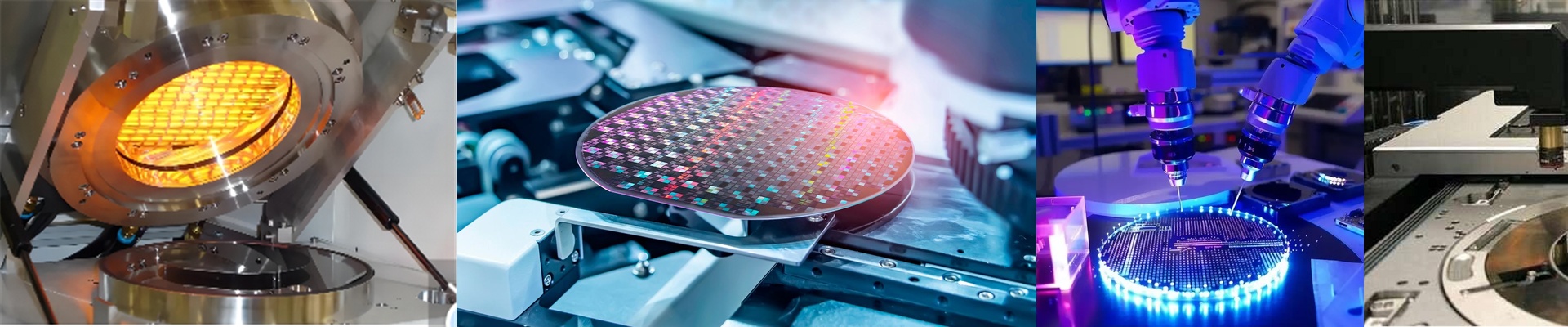

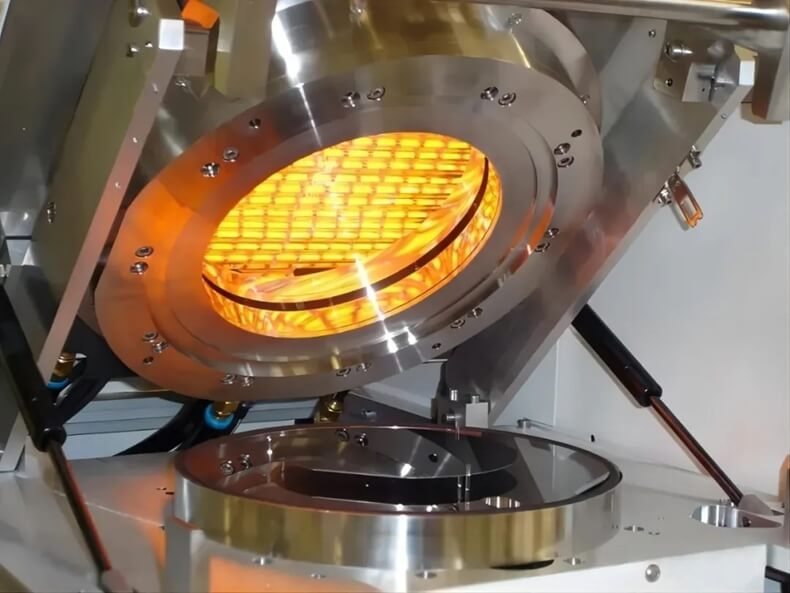
On the fab floor, you don’t get a do-over when the bake drifts even a fraction. A sub-degree excursion during photoresist bake can wipe out an entire Micro LED epi-wafer. You need a drying heater that holds temperature within ±0.1°C across the surface—every bake, every shift.
What matters under the hood
We run short-wave infrared elements with fast-response, closed-loop control so the thermal profile repeats, shift after shift. Wafer-level uniformity is specified to ±0.1°C, and the hot zone is built for cleanroom Class 1–100 operation with zero particle generation. Soft bake and hard bake set the critical dimensions. Keep the thermal budget tight and CD control stays in spec. The platform is engineered for 24/7 operation—life-tested components, predictable maintenance intervals, and no surprise downtime.
Why this works for Micro LED
Micro LED processes squeeze lithography and drying into tight margins. Solvent removal has to be complete, but the photoresist still has to hold its shape. Our heater stabilizes the bake step, which cuts rework and excursions. You end up with higher first-pass yield, tighter line/space control, and fewer scrap lots. Energy use stays sensible too: precise dwell control and low standby losses lower operating cost without slowing throughput.
The details that bite you if you ignore them
These heaters drop into existing tracks using standard mechanical and electrical interfaces. But alignment and gas-flow routing have to match the tool envelope. You will need a commissioning pass to tune the recipe for your resist stack and substrate stack-up. And if you run in high humidity, plan for condensate management—we specify the purge and exhaust configuration up front. When yield is pinned to temperature, control isn’t optional. Spec the drying heater to the process, and the process will hold.