Don’t Squash Your Infrared Heaters: A Guide to Ceiling Clearance
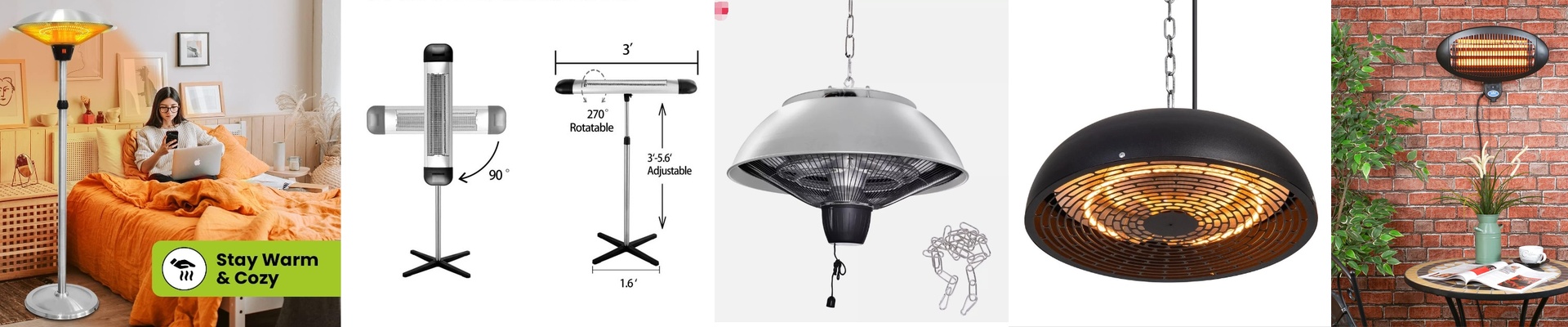
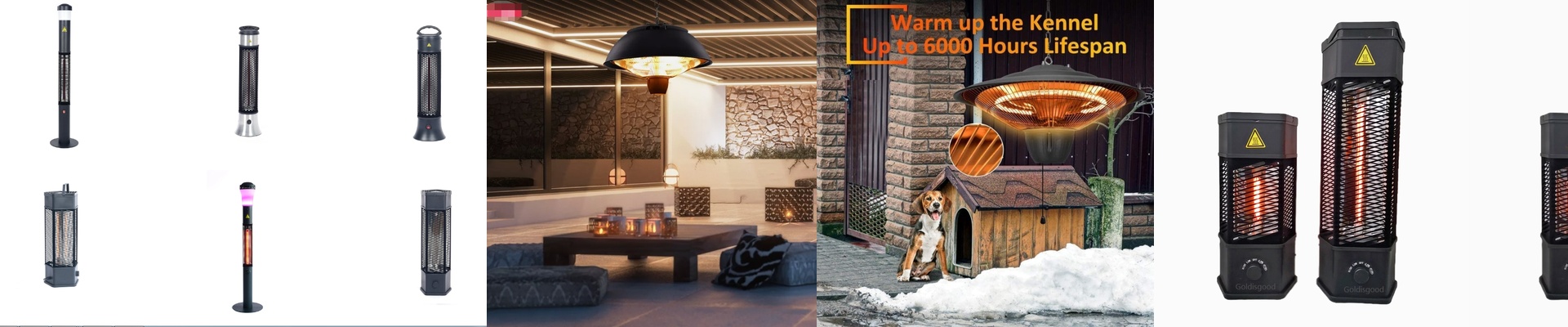
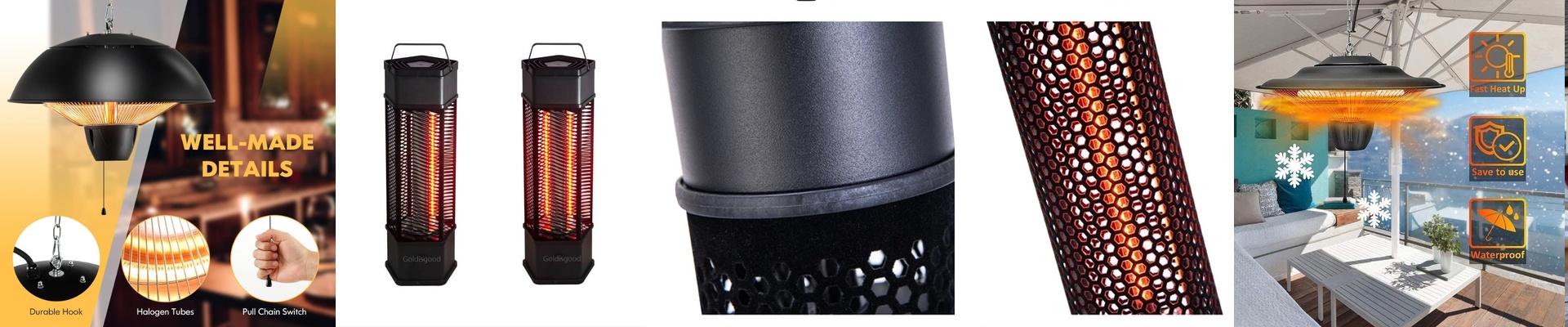
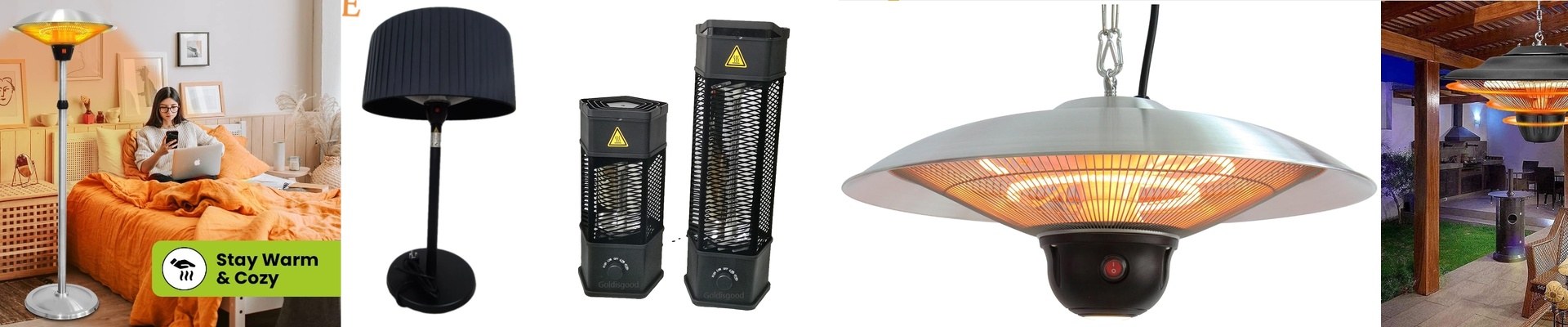
If you’re putting infrared heaters in a changing room or out on a patio, you can’t just slap a bracket on the wall and call it a day. You have to think about where the heat actually goes. See, these lamps don’t just warm up the air like a regular space heater. They beam heat directly onto whatever they’re pointing at. But if you mount them too close to the ceiling, you end up creating a heat trap. The “Dead Zone” Problem Here’s the thing: when you’re running a high-wattage setup, the heat doesn’t only travel downward. Some of it leaks upward or just soaks into the housing. If the gap between the heater and the ceiling is too tight, that heat gets stuck. It pools up in a dead zone. The result? Your ceiling gets scorching hot while your feet are still freezing. And if your ceiling is made of wood or plastic, you’re looking at a real risk of warping or even singeing the material. To avoid that headache, we usually suggest leaving at least 18 to 24 inches of breathing room, depending on how powerful the unit is. Give the Hardware Some Air Shortwave heaters are great because they’re instant. You step into a cold room and boom—you feel the warmth immediately. But that intensity comes with a cost: the housing gets hot. Really hot. You need enough headspace so the air can naturally move and pull that heat away from the back of the unit. I know it’s tempting to squeeze a heater into a tight spot if you’re low on space. Just don’t do it. When a unit is cramped, it runs hotter than it should, and that’s a fast track to burning out your elements. Finding the Sweet Spot It’s all a balancing act. If you mount the heater way up high, you cover more ground, but the heat loses its punch by the time it reaches the floor. That “luxury” feeling—that cozy, enveloping warmth—just vanishes. But if you mount it too low? You get those annoying hot spots where one person is roasting and the person next to them is shivering. You’ve got to find that middle ground. Balance the gap at the ceiling with how far you want the heat to “throw” so the whole system stays stable and comfortable.