

Stop Wasting Your Heat: Why Gold-Coated Reflectors Actually Matter
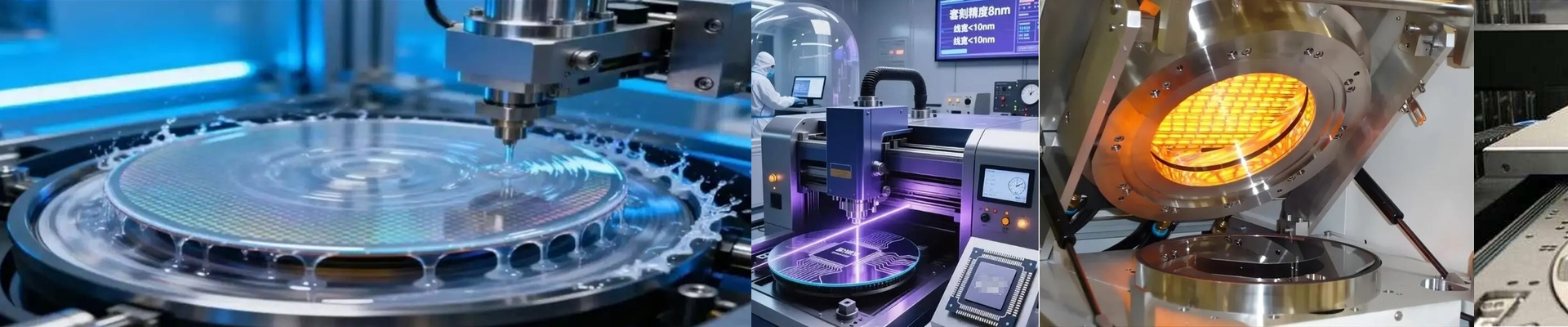
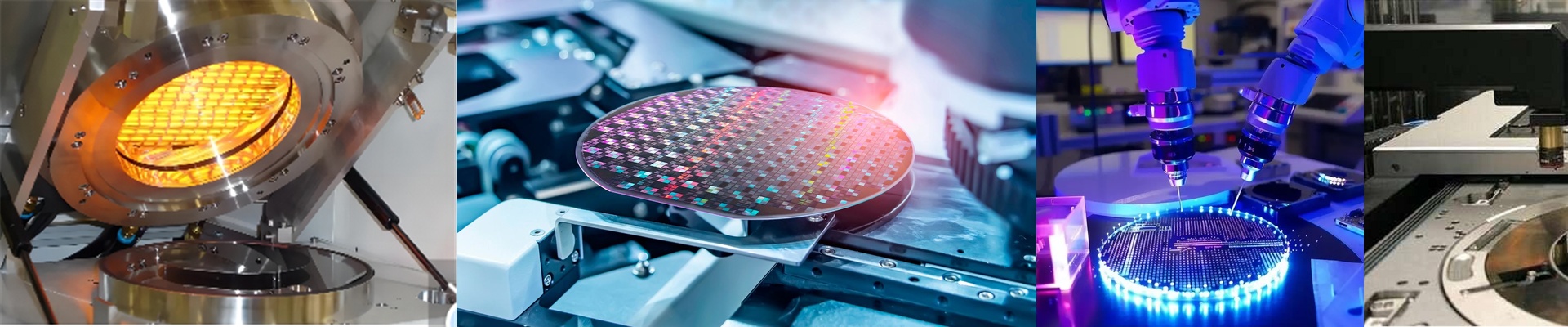
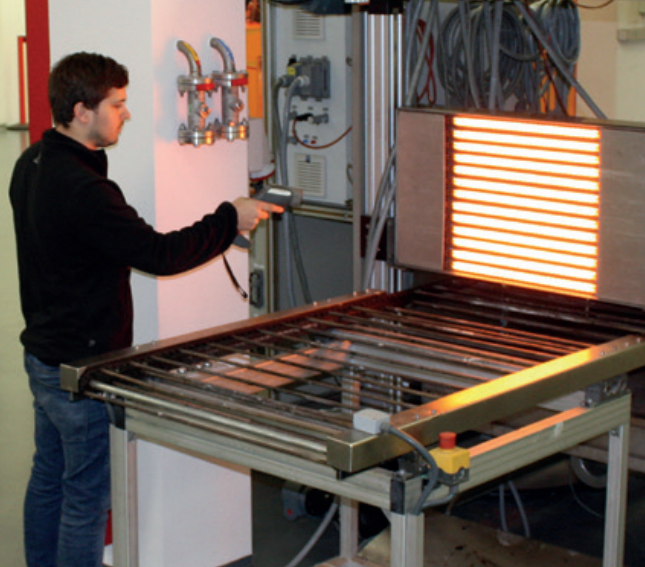
In a semiconductor fab, every wasted watt is basically a mistake. When you fire up a curing lamp, you aren’t just trying to make things hot—you’re trying to put that heat exactly where it belongs: on the wafer. The problem is that standard reflectors are leaky. Too much energy just bleeds off into the chassis, which is a total waste. That’s why we use gold coating. It plugs the leak.
The Magic of Gold
Here is the deal: gold reflects over 98% of infrared light in the short-wave spectrum. By putting a thin, high-purity layer of it on the housing, we can take those photons that would normally bounce backward and shove them forward. It turns a lamp that radiates in every direction into a focused beam of energy. Because the heat is concentrated, you hit your target temperature way faster. You don’t have to crank the voltage to the max, which means you aren’t constantly worrying about burning out your equipment.
Heat Density and the Trade-off
When you focus the energy better, the lamp doesn’t have to work as hard. If you’re running 300mm wafers, this is a huge win because it keeps your vacuum chamber and housing from overheating. But there is a catch. When you concentrate that much power into one spot, things get intense. If your timing is off or the wafer isn’t lined up perfectly, you’ll get “hot spots.” It happens fast. Because of that, you need to make sure your cooling system is built for the peak burst of heat, not just the average temperature.
Keeping Things Running
We designed these to be drop-in replacements, so you don’t have to rebuild your whole setup to use them. Just a heads-up: gold is a bit picky. If oil or dust gets on the reflector, it absorbs the IR energy instead of bouncing it. That creates a hot spot that can actually crack the reflector or ruin the coating. Keep the optics clean. If the gold starts to flake or oxidize, your efficiency tanks and your cycle times will start to drift. It’s a simple bit of maintenance, but it makes all the difference.