
Stop Heating Your Machine (and Start Heating Your Sensors)
When you’re building biosensors, temperature is everything. But here’s the annoying part: in most high-end gear, the struggle isn’t just getting the substrate to the right temperature. It’s stopping the heat from leaking everywhere else. If you use a standard heat source, it blasts energy in every direction. The result? Your equipment chassis basically becomes a giant radiator. You end up with “hot walls” that can burn an operator’s hand or, even worse, warp the sensitive parts inside the machine. It’s a mess.
A Better Way to Move Heat
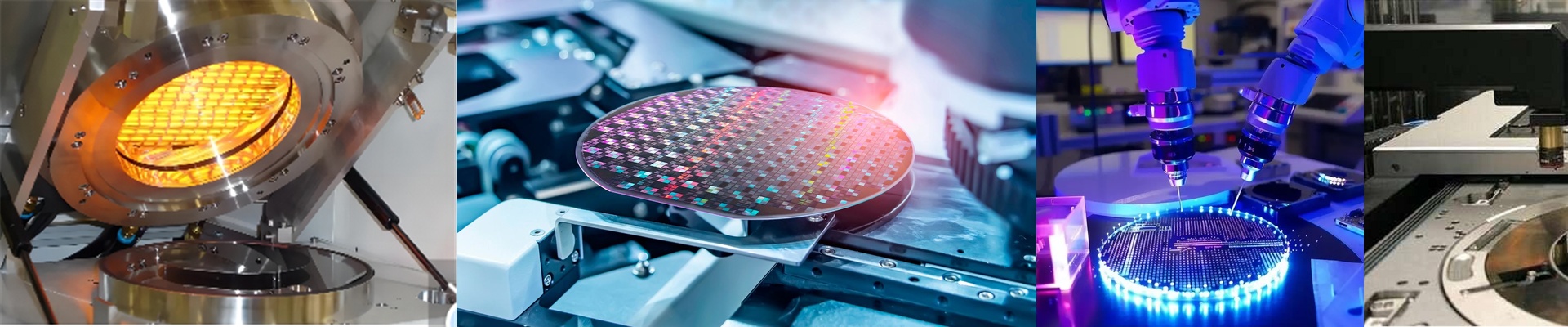
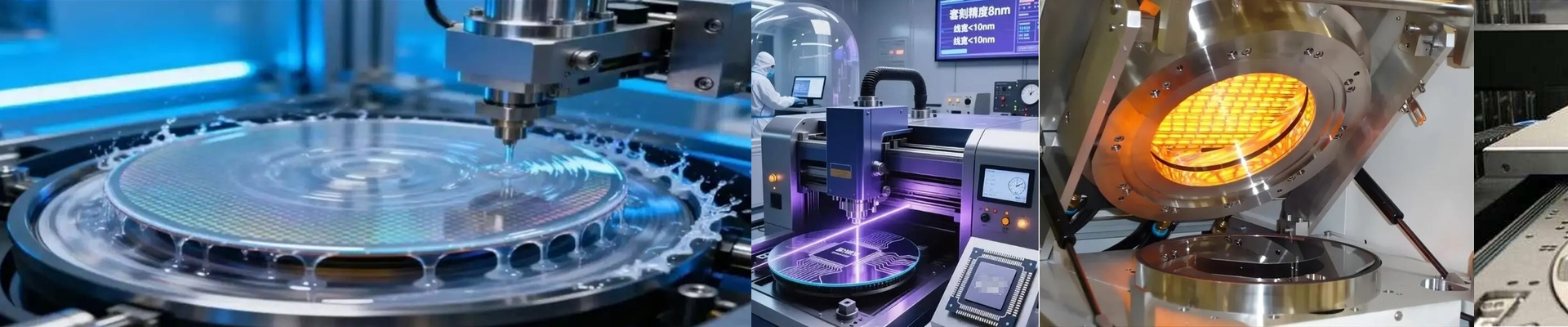
We fixed this by switching to directional infrared (IR) lamps. Think of it like the difference between a lightbulb and a flashlight. Instead of radiating heat in a 360-degree circle, these lamps use reflectors to push the energy in one specific direction. You aim the heat right at the wafer and leave the surrounding air and housing alone. Plus, your cooling fans don’t have to work nearly as hard. Since the chassis isn’t soaking up all that wasted energy, the whole system stays much chiller.
Getting it Set Up
When you’re wiring these into your line, you want a tight footprint. You want that heat source as close to the target as possible—just not so close that they actually touch. We use high-density emitters because they ramp up fast. Really fast. That means you can stop idling at high temperatures all day, which keeps your lamp filaments from burning out prematurely.
The Catch
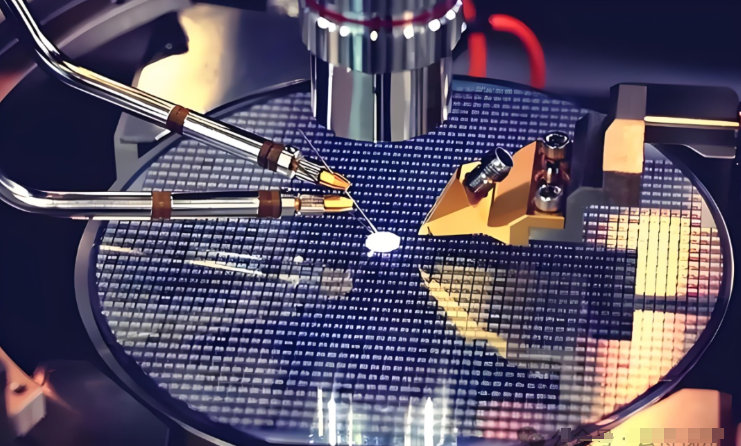
Now, this isn’t some magic fix. Because the heat is so concentrated, you’re creating a very intense zone. If your substrate is even slightly off-center, you’ll get “hot spots” on your biosensor. You have to be obsessive about your positioning jigs. We’re talking micron-level precision here. If your alignment drifts, that concentrated heat can burn right through your thin-film layers before you even realize something went wrong.