

Carbon Fiber IR vs. Hot Air: A Better Way to Heat Your Parts
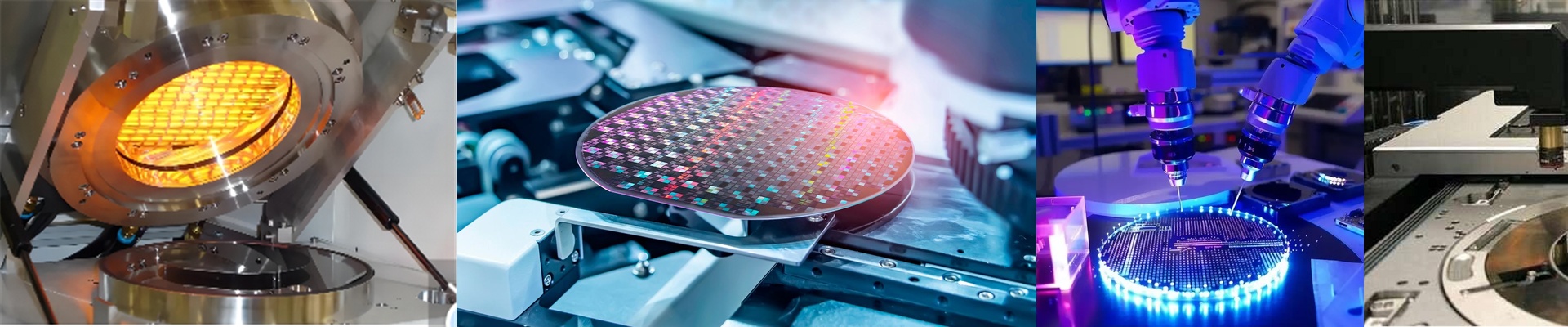
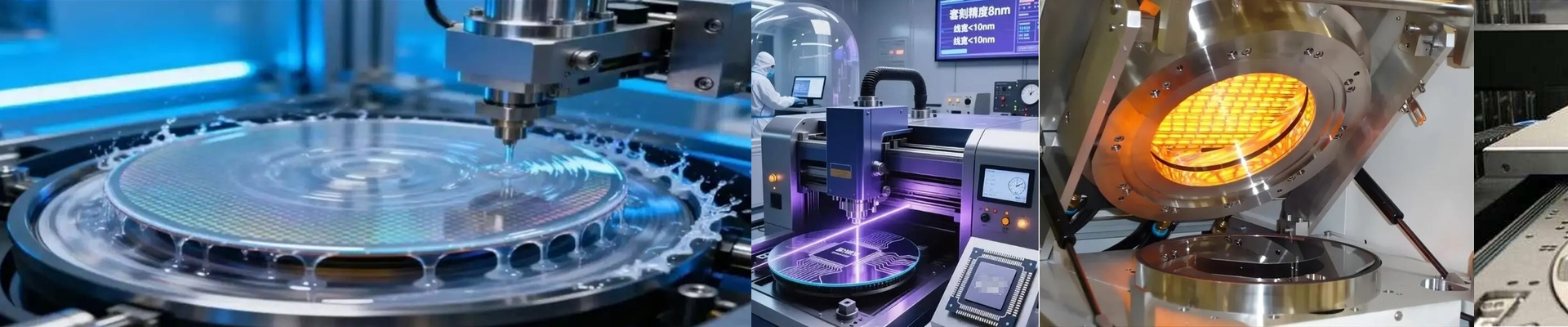
If you’re still using hot air circulation for semiconductor processing, you’re basically playing a waiting game. Think about how it works: you heat the air, then the air heats the part. It’s a middleman system. In deep processing, that middleman creates a massive lag. Carbon fiber IR lamps cut out the middleman entirely. Instead of warming up the atmosphere, the energy just hits the substrate directly. It’s a completely different feeling. With hot air, you’re stuck staring at a timer, waiting for the chamber to saturate. It’s a waste of minutes. But with carbon fiber lamps? You hit peak temperature in seconds. That’s a huge win for your “time cost.” By getting rid of the air, you kill the thermal inertia. Your cycles get tighter, and you actually get more wafers through the line. Now, let’s talk about the heat itself. Standard metal coils can be moody—they create “hot spots” that can warp your materials. Carbon fiber is different. It spreads heat evenly across the lamp, so you don’t have to worry about ruining a delicate part. But here’s the catch: this stuff puts out a lot of energy. You can’t just plug it in and forget it. You’ve got to get your cooling fans and heat sinks right. If the housing gets too hot, your electrical connectors will fry, and then you’re back to square one. Plus, there’s the space factor. Most shops are making the switch because IR lets you shrink your footprint. You can throw away the massive blowers and the clunky ducting. You just wire the lamps, set the distance, and you’re good to go. In a lot of old lines, it’s a pretty simple swap. It isn’t perfect, though. Since IR is radiative, you have to watch out for “shadowing.” If your part has a weird shape, some spots might not see the light. You just have to be smart about where you place the lamps to keep the path clear. Get that placement right, and you’ll watch your processing window shrink fast.