Why Your Bathroom Heater Shouldn’t Feel Like a Heat Lamp at a Zoo
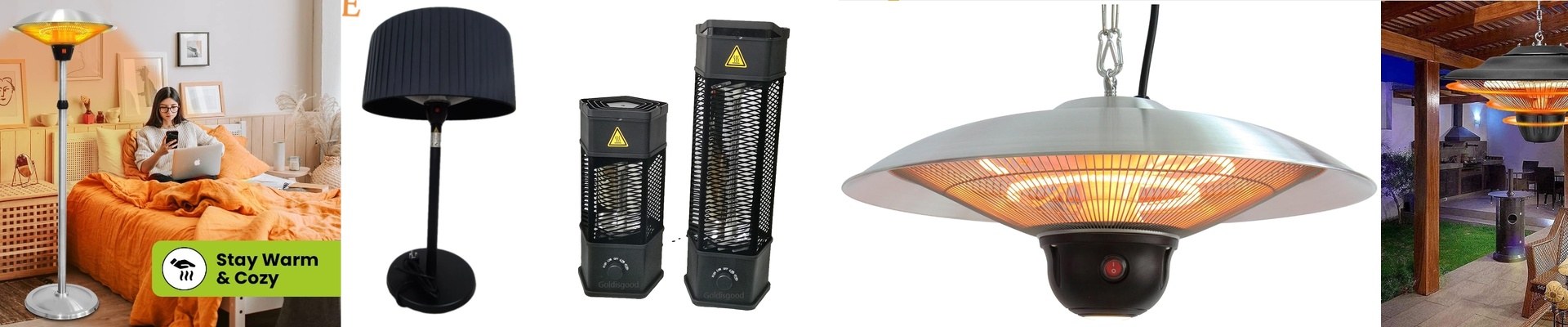
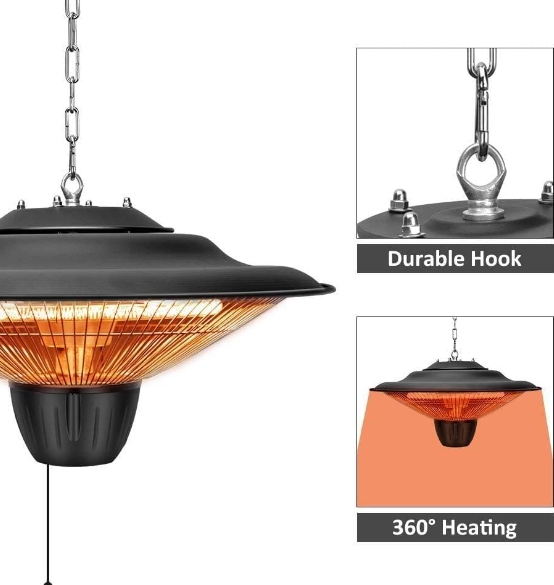
When we’re designing those infrared lamps for bathroom ceilings, the real headache isn’t actually the heat. Getting a room warm is the easy part. The real struggle is the light. Ever turned on a cheap IR heater and felt like you were staring directly into the sun? That blinding white light is a nightmare. It’s harsh on the eyes, and for babies—whose eyes are way more sensitive than ours—it’s actually a genuine concern. Keeping the heat, losing the glare We don’t want you squinting while you’re trying to dry off. To fix this, we use special quartz coatings and filtered filaments. Here’s the trick: we shift the light spectrum. Instead of blasting you with high-frequency visible light (that annoying blue-light peak that makes your eyes tired), we focus on the long-wave infrared side of things. The result? You get that deep, penetrating warmth on your skin, but your eyes stay relaxed. It’s not about making the light look “pretty”—it’s about making sure you aren’t straining your optic nerve just to stay warm. The nitty-gritty stuff Under the hood, these run on your standard home voltage using halogen-filled quartz tubes. We use quartz because it can handle those high temperatures without breaking a sweat, and it doesn’t care about the steam and humidity of a hot shower. We also use secure spring-clips or twist-locks. Why? Because metal expands when it gets hot and shrinks when it cools. Without those locks, the lamps would eventually start to rattle. Nobody wants a buzzing ceiling. The honest trade-off Now, let’s be real: you can’t have total darkness and maximum heat at the same time. Because we use filters to keep the light soft, these lamps take a few seconds longer to warm up than those raw, blinding ones. It’s a small price to pay for not being blinded. And a word of caution on wattage. If you try to “overpower” the filter by cranking up the wattage, you’ll end up melting your ceiling housing. You’ve got to find that sweet spot where the heat is great but the ventilation can still keep the plastic casing from warping. We build these things to survive the toughest, steamiest bathrooms. Just double-check that your wiring can handle the initial surge of power when you flip the switch, and you’ll be golden.