
Stop Fighting the Heat: A Better Way to Handle IR in Semiconductor Packaging
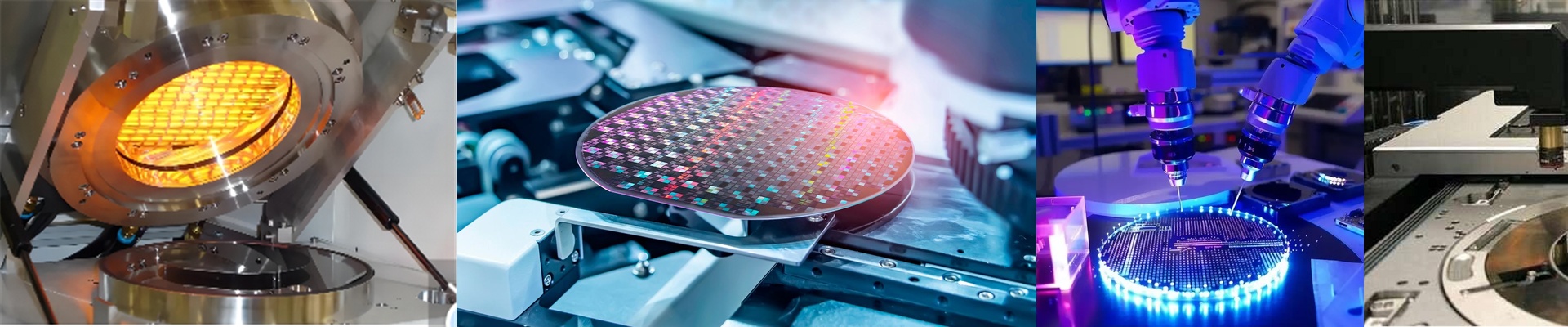
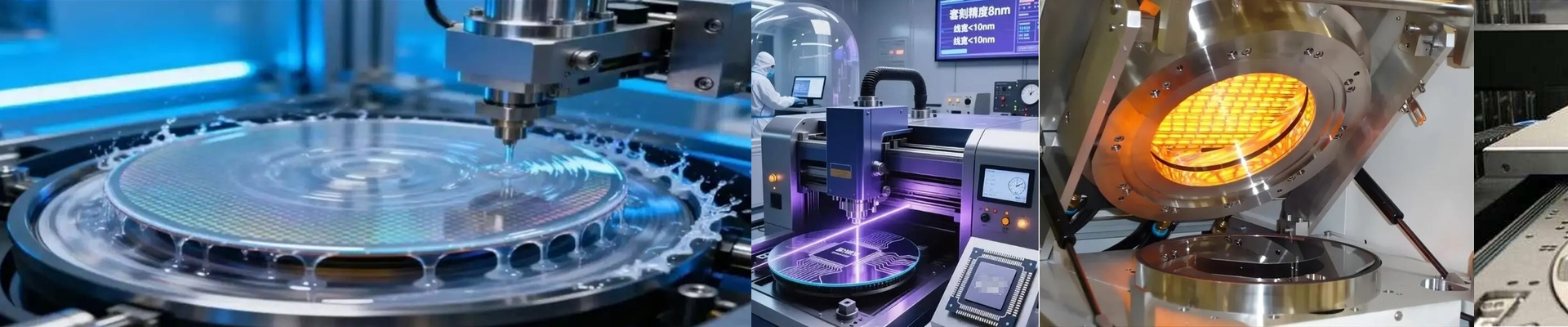
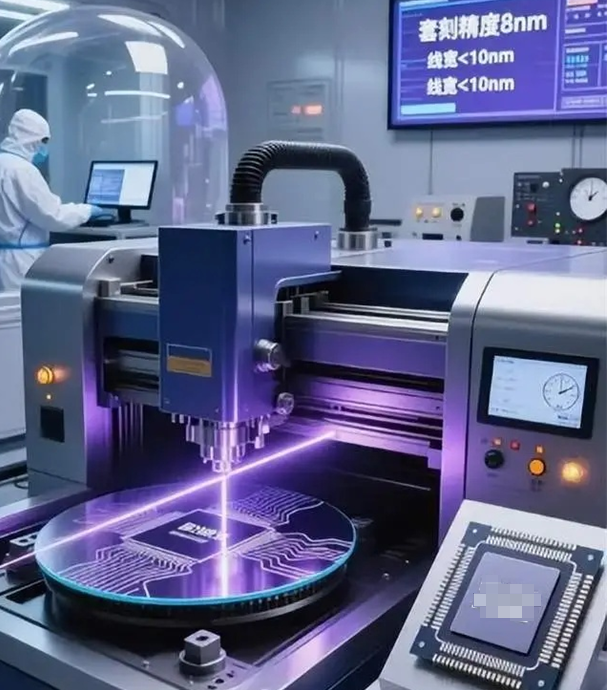
If you’ve ever worked with semiconductor sensor packaging, you know the struggle with heat. It’s a nightmare. Standard infrared lamps are basically lightbulbs that throw heat in every single direction. It’s a 360-degree blast. The problem? Most of that energy isn’t even hitting your part. Instead, it’s soaking into the inner walls of your machine. It makes the chassis hot enough to burn someone, and it messes with your thermal gradients. You’re basically heating up the room instead of the workpiece. Here is how we fix that. We use directional infrared technology. Think of it like switching from a floodlight to a spotlight. By using specialized reflectors and selective coatings, we push the IR energy exactly where it needs to go. The heat hits the sensor package, and the equipment walls stay cool. It’s a tight footprint. The energy goes into the part, not the frame. But, there’s a catch. Because the beam is so focused, your focal distance matters a lot more. If your part is off by just a couple of millimeters, you’ll notice the heat density drop. You can’t just “wing it” with the mounting. You need high-precision brackets to make sure you don’t end up with cold spots on your substrate. The payoff is worth it, though. When you stop wasting heat, your facility’s cooling systems can finally breathe. You don’t have to over-spec your HVAC or slap massive heat sinks inside the cabinet just to keep the walls touch-safe for your team. The best part? These systems are designed to be drop-in replacements. You wire them into the controllers you already have, but you stop fighting that constant ambient heat soak. Your operators stay safe. Your process stays stable. It just works.