

Making Hydrogen Sensors with IR Systems
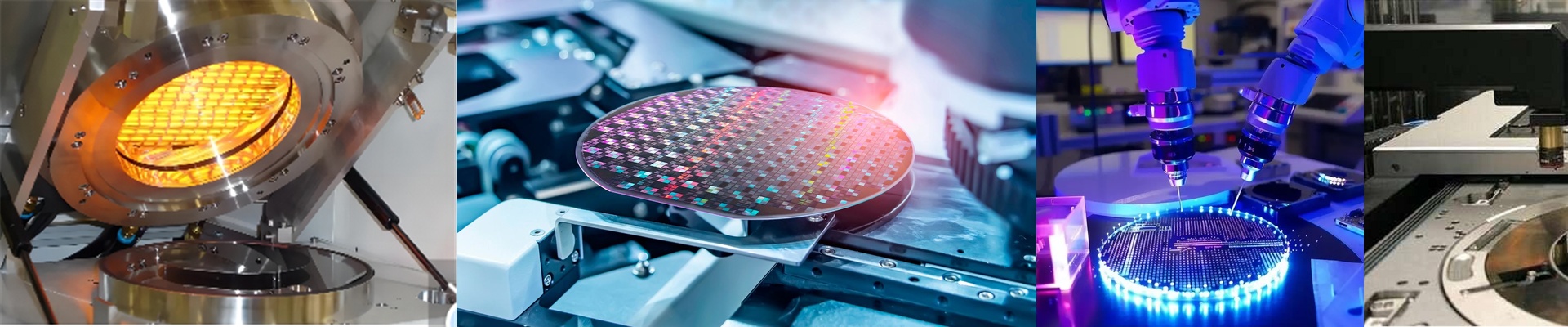
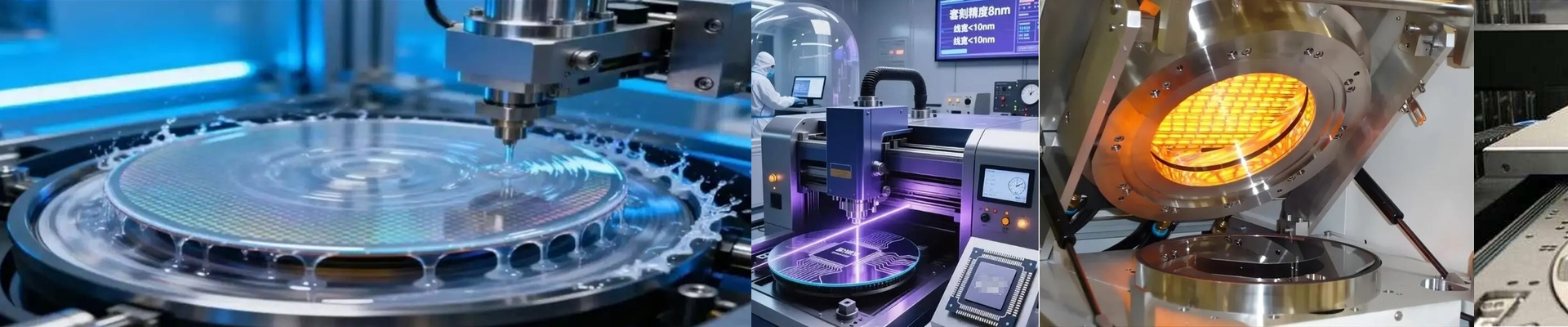
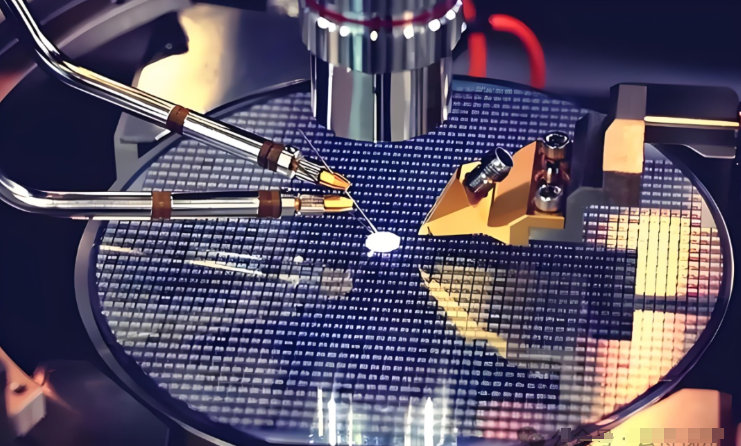
If you’re building hydrogen sensors, you know the drill: thermal curing and deposition have to be spot on. But honestly? Those old-school convection ovens are a drag. They’re slow, bulky, and they heat everything in sight. That’s why we’ve switched over to short-wave infrared (IR) systems. Instead of heating the whole room, IR puts the energy exactly where it needs to go. It’s faster. It’s cleaner. And it keeps your thermal footprint small.
Getting the Heat Right
In a modern fab, you can’t just “set it and forget it.” You need to know what’s happening right now. We hook our IR heaters up to PLC-controlled power supplies to keep the heat flux steady. The best part? You can trigger a heating cycle instantly. No more standing around waiting for a chamber to “soak” or warm up. The sensor substrate hits the target temperature immediately, while the surrounding jigs stay cool. It just makes sense.
The Hardware Side of Things
We don’t just guess on the gear. We look at the absorption coefficient of your specific materials and build around that. Usually, that means high-wattage quartz lamps. They pack a ton of punch into a tiny area, which lets you shrink the size of your machines. More room on the floor is always a win. But here’s the catch: all that intensity creates a lot of waste heat. If you crank the wattage too high just to shave a few seconds off your cycle, your cooling fans or water-jackets have to be up to the task. If they aren’t, your temperature set-points will start to drift, and that’s where things get messy.
Working Smarter, Not Harder
When you plug these systems into a digital line, every single lamp becomes a data point. We use sensors to keep an eye on how the lamps are wearing down. Instead of guessing when a lamp might pop or following a rigid calendar, the system just flags it when the output actually drops. You get a heads-up to swap it out before the part quality even thinks about dipping. It turns maintenance into something you do because the data told you to, not because a manual said it was “time.”