
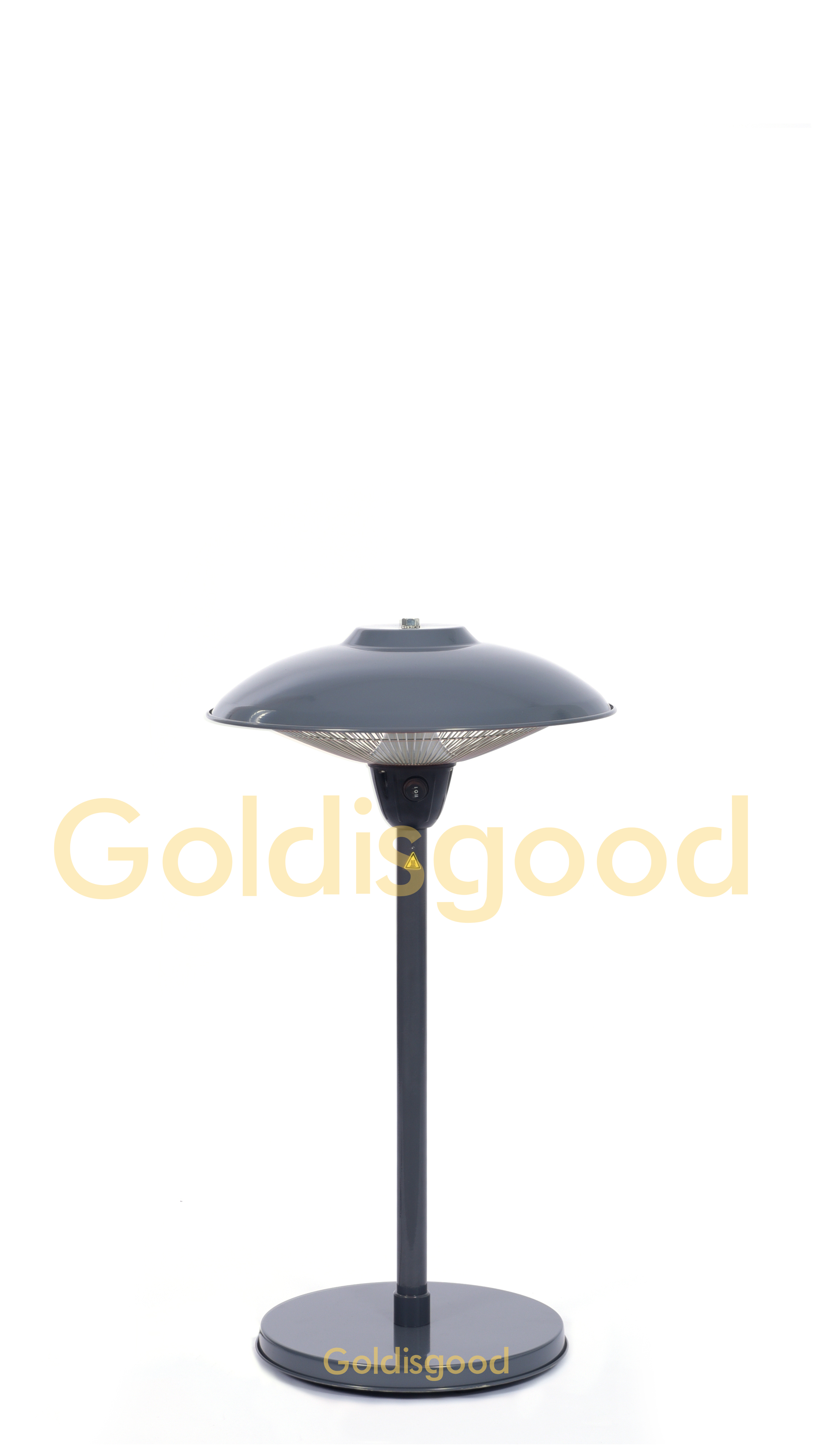
Keeping Things Safe: Putting Infrared Heaters in Wet Zones
Let’s be honest: putting electrical heaters in a bathroom is a bit nerve-wracking. You’ve got steam everywhere and water splashing around. It’s a recipe for a short circuit if you aren’t careful. That’s why we build our units to an IP55 standard. In plain English? It means the housing is tight enough to keep out dust and can handle a direct blast of water from any angle without breaking a sweat.
The Secret to Total Insulation
To keep the electricity where it belongs, we use high-temperature ceramic insulators to separate the heating element from the chassis. These things are tough. They don’t warp or degrade when they get scorching hot, so the current stays locked in the circuit. But here’s the thing: in a steamy room, moisture loves to find a way in. It can create these tiny “bridges” that lead to leaks. We stop that by sealing every single cable entry point with silicone gaskets and using potted terminals. It basically keeps the condensation from ever touching the live wires.
Picking Parts That Actually Last
The lamps themselves are made of quartz glass. To keep moisture from messing with the halogen gas inside, we seal the ends with specialized epoxy or glass-to-metal seals. And because water hitting a hot lamp can cause the glass to shatter from the shock, we usetoughened quartz. It’s much more resilient. Then there’s the wiring. This is usually where things go wrong. Cheap PVC just melts or cracks under pressure. We don’t use that. Instead, we go with silicone or PTFE jackets. They can take a beating from both the heat and the humidity without leaking a drop of current.
A Few Things to Keep in Mind
Now, an IP55 rating is great, but it doesn’t make the installation automatic. You still need to wire these into a circuit with an RCD or GFCI. Even with our tight insulation, these lamps pull a lot of power and get incredibly hot. Make sure you give the unit some breathing room when you mount it. If the cables are crammed too tightly or the wall mounting blocks the airflow, that heat can eventually eat away at the wire insulation. Give it some space, and it’ll last for years.