

Keeping Class 100 Cleanrooms Actually Clean
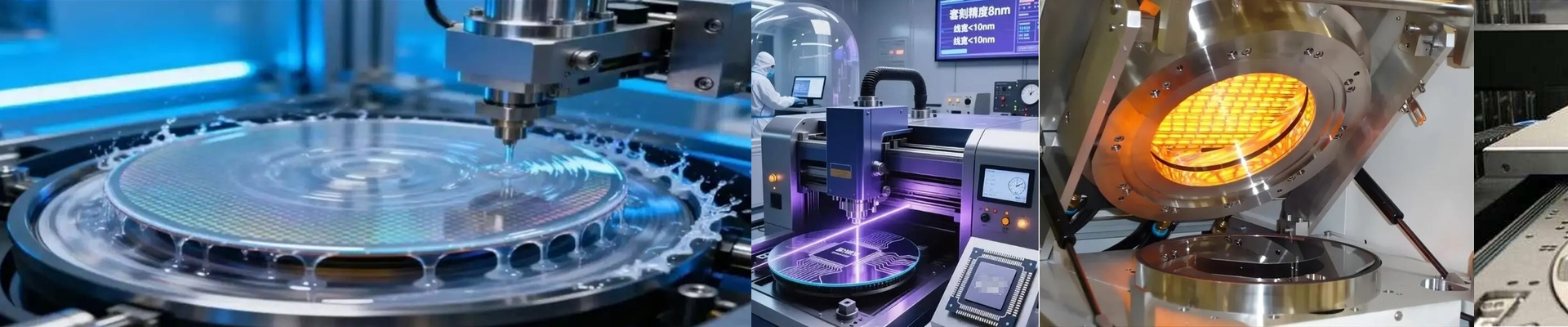
When you’re running a Class 100 cleanroom, you’re fighting a constant battle against the invisible. A single micron of dust—something you can’t even see—is enough to trash an entire batch of wafers. It’s frustrating. And usually, the culprit is something you wouldn’t expect: your heating elements. If your lamps are off-gassing or shedding tiny particles, you’re basically inviting contamination into your process. That’s why we stick with high-purity synthetic quartz for our IR lamps.
Why the material matters
Most glass or cheap quartz just can’t handle the heat. They start to break down or flake off under heavy thermal loads. Not great. We use synthetic quartz because it’s tough. It doesn’t erode chemically and it doesn’t flake. We also make sure the quartz envelope is fused tight. This gets rid of those microscopic pores where gunk likes to hide, so your wafer surface stays pristine during rapid thermal processing.
Getting the heat right
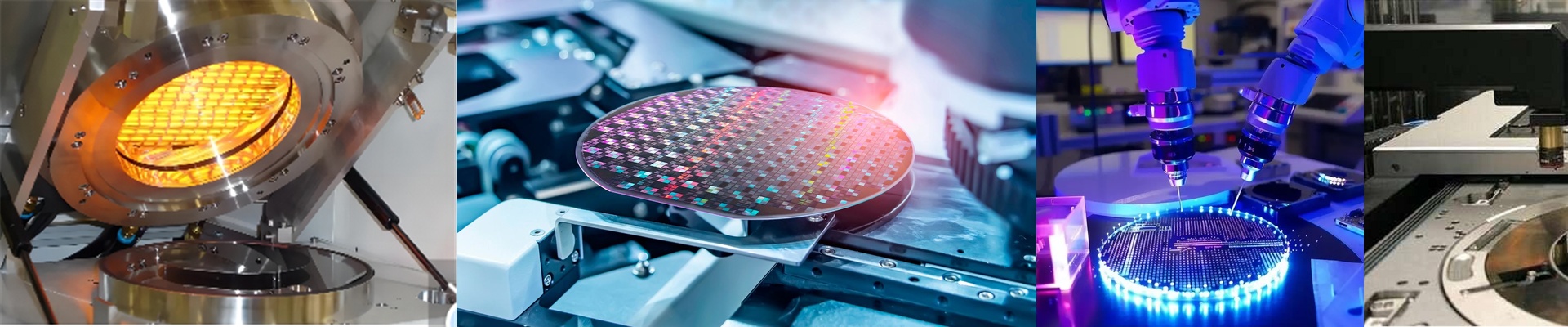
Wafer tools are picky about how fast they ramp up. To get that just right, we tweak the filament diameter and the voltage to dial in the spectral output. Here’s the trick: shortwave IR hits the wafer surface much faster than longwave. This gives you a much tighter, more consistent thermal profile across the whole substrate. But a word of caution on the power side. These lamps run hot and heavy. If you try to force a target temperature by cranking the voltage too high, you’re just killing your filaments faster. It’s a balancing act. You have to weigh your wattage against the tool’s cooling capacity so you don’t fry the ends of the lamp.
Swapping them out without the headache
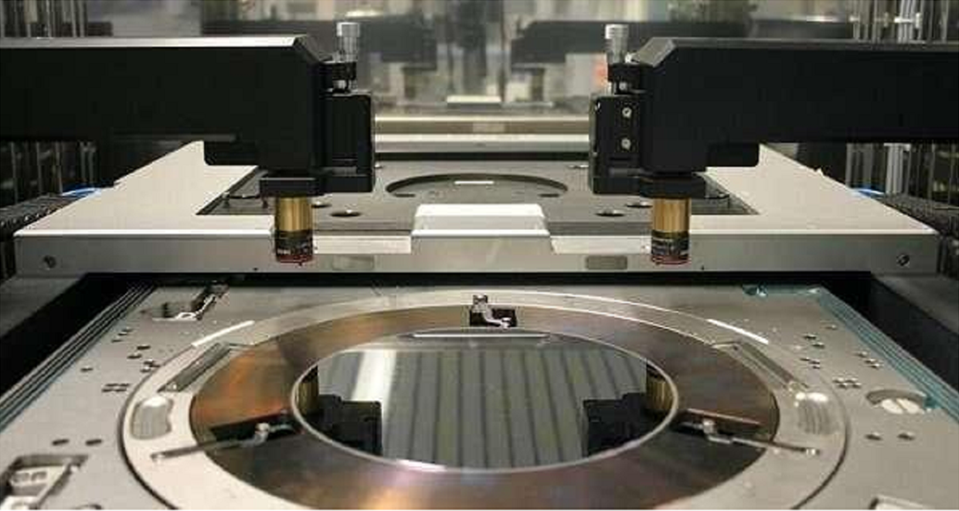
We designed these to be a simple drop-in replacement. No fuss. The connectors are built specifically to stop friction from creating dust—because the last thing you need during a swap is more particles in the air. The fit has to be dead-on. If the lamp is even slightly off, the IR beam misses its mark and you get hot spots on the wafer. We keep the tolerances tight so the lamp sits exactly where the optics expect it to be. One last thing: tell your techs to be careful. Only use lint-free wipes and IPA. A single fingerprint on that quartz will burn in at high temperatures, leaving a permanent spot that messes up your heat distribution. It’s a pain to fix, so it’s better to just avoid it.