
Why We Use IR Heating in Semiconductor Gloveboxes
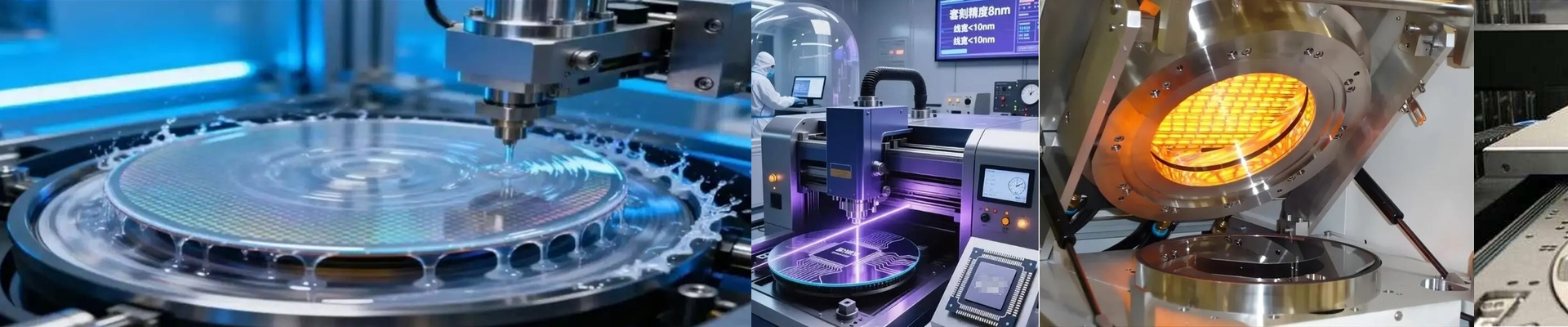
When you’re working in semiconductor fab, “clean” isn’t just a goal—it’s everything. You can’t have a single speck of dust or a stray residue messing up your work. That’s why we lean on infrared (IR) heaters inside gloveboxes. Most people think of heating as warming up the air, but IR is different. It uses electromagnetic radiation. Instead of blowing hot air around—which usually just kicks up particulates and ruins your inert atmosphere—the energy goes straight to the target. No forced-air systems, no contamination. Just clean heat.
Getting the “Lead-Free” Part Right
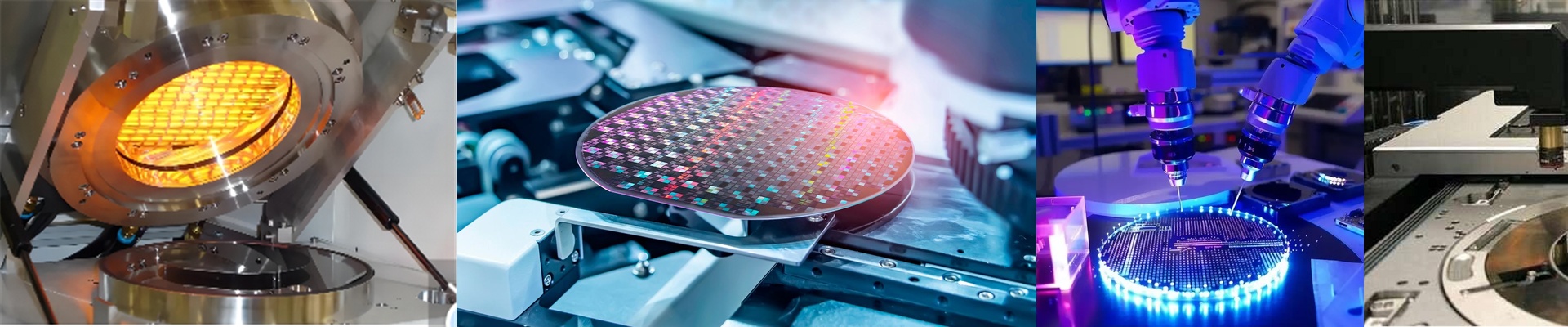
Old-school thermal ovens can be a headache. They often outgas or need chemical catalysts to get the job done. IR curing skips all that. It basically vibrates the molecules of the substrate itself. Whether you’re drying a wafer or curing photoresist, the heat hits the material directly. Because the energy transfer is so efficient, you don’t have to rely on those heavy chemical solvents that people used to use to lower curing temperatures in leaded processes. Plus, since the heat source stays physically separate from your product, hitting those lead-free mandates becomes a lot easier.
Power, Speed, and the “Burn” Risk
We usually pick these elements based on wavelength—shortwave or medium-wave—depending on how thick the material is. Shortwave is the heavy hitter. It penetrates deeper and faster. You get a rapid ramp-up to temperature, which means your cycle times plummet. It’s a relief, honestly. You aren’t sitting around wasting power while a massive oven slowly warms up. It’s ready in seconds. But here’s the thing: you have to be careful with power density. If you cram too many watts into a tiny area, you’ll toast the edges of your substrate. To stop that from happening, we always pair these elements with PID controllers. It keeps things steady and prevents that dreaded thermal overshoot.
Fitting It All In
The best part? These elements are basically drop-in replacements for those clunky old resistive heaters. They save a ton of space. No more bulky ducting taking up room. Since you aren’t trying to heat the entire volume of the glovebox, your energy bill drops too. Just one tip: keep an eye on your seals. Radiant heat is powerful, and if it hits the wrong spot, you might warp your viewing panels. As long as you’ve got a handle on that, it’s a much smoother way to work.