
Why Infrared Beats Hot Air for Bio-Sensors
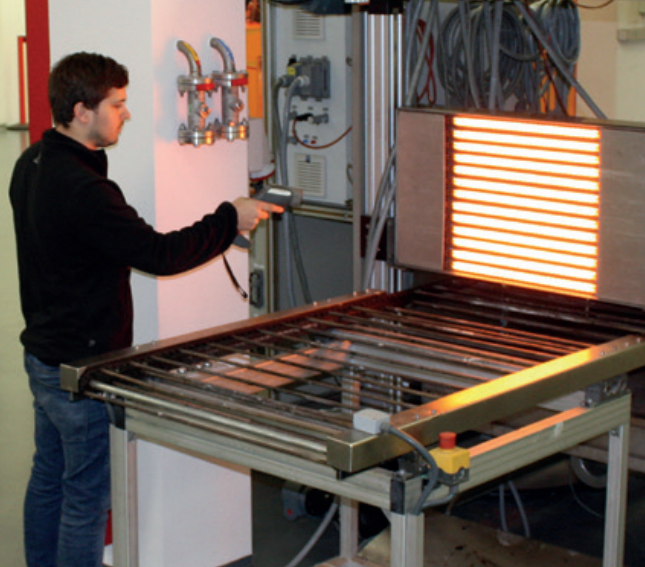
When you’re building bio-sensors, getting the curing and dehydration just right is everything. A lot of shops are still stuck using hot air circulation—basically big ovens that blow hot air around. But if you’ve ever waited around for a machine to hit the right temperature, you know exactly where the bottleneck is. It’s the waiting. The problem is how the heat actually moves. With hot air, you’re playing a waiting game. You have to heat the air, and then that air has to heat your substrate. It’s a slow process. There’s this lag that just eats up your day. Infrared (IR) lamps do things differently. They don’t bother with the air. They just shoot electromagnetic radiation straight into the sensor material. We usually stick with short-wave or medium-wave IR for this. Since the energy hits the target instantly, that annoying warm-up period just vanishes. Your cycle time goes from minutes to seconds. It’s a night-and-day difference. Then there’s the space issue. Forced air ovens are monsters. They take up half the floor because you need a massive chamber to keep the temperature steady. IR arrays? They’re tiny. You can just tuck them right into your conveyor path, which frees up a ton of room in the lab. Plus, you get way more control. We can pick the exact lamp length and wattage to hit a specific temperature profile across the wafer. No more worrying about the edges of your bio-sensor getting fried while the center is still trying to cure. But it’s not all magic. There are trade-offs. IR is fast, but it’s aggressive. Because the heat is so dense, you can scorch the surface if your conveyor speed is off by even a little bit. A convection oven acts like a buffer, but IR puts all that energy directly into the material. If you’re moving from air to IR, you can’t just flip a switch. You’ll need to tweak your timing logic and probably rethink your cooling stage to handle that sudden thermal spike. You’ve got to dial in your sensors and feed rate, or you’ll end up with a lot of burnt substrates.