
Fixing the Heat Problem in Bio-Sensor Fabrication
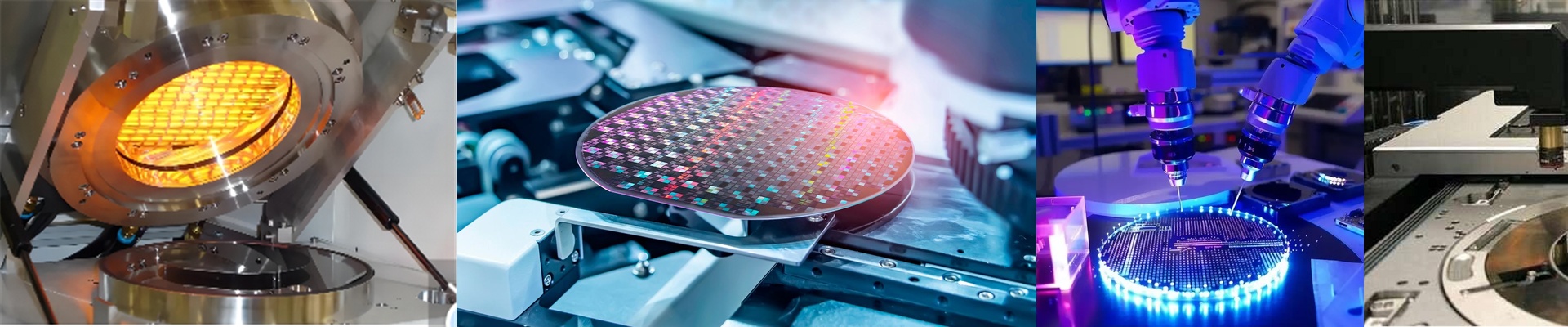
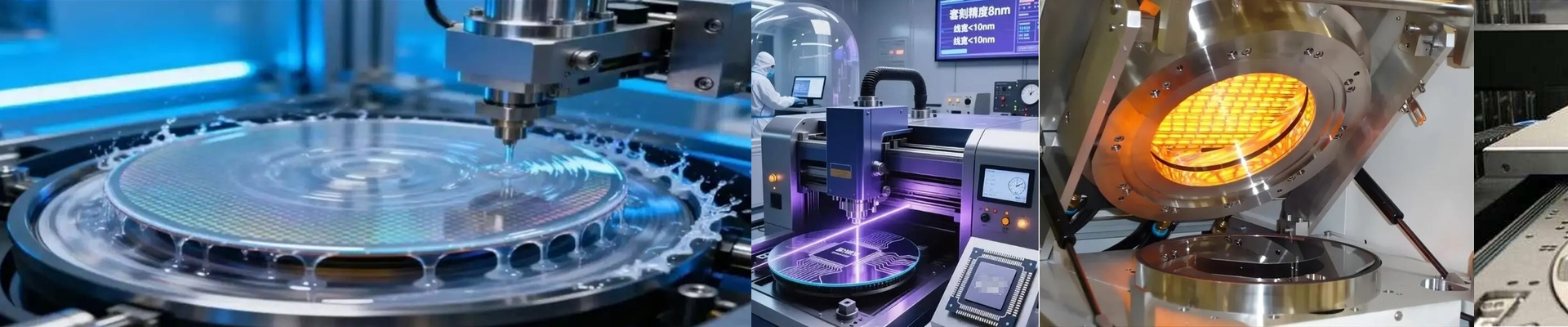
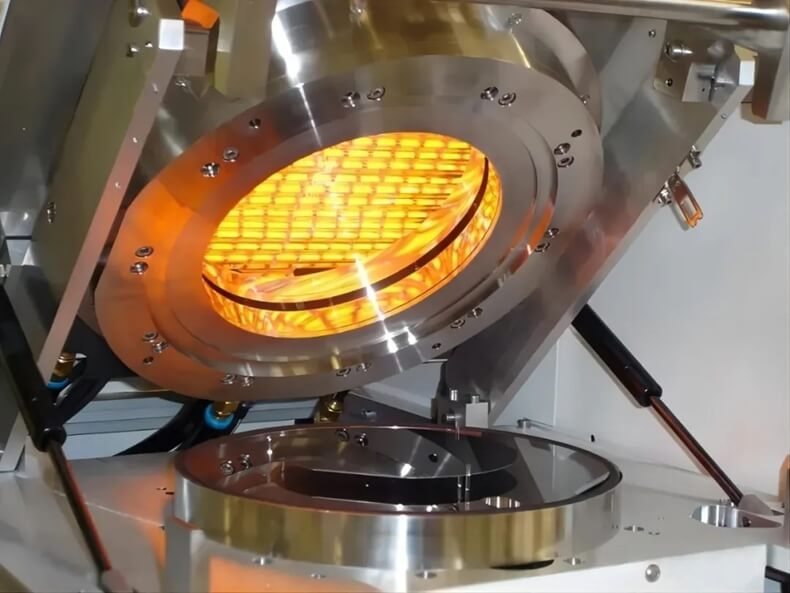
If you’ve ever worked with bio-sensors, you know how picky they are about temperature. One degree off and you’re in trouble. The problem is that standard radiant heaters are messy. They throw heat in every single direction. Before you know it, the inner walls of your gear are scorching hot—enough to burn an operator or warp the chassis. It’s basically like trying to heat a plate of food by putting the whole kitchen in an oven. We stopped doing that. Instead, we switched to directional infrared (IR) heating. How it actually works Think of a standard lamp like a lightbulb; it glows in a 360-degree circle. Directional IR lamps are different. They use reflectors and special coatings to push all that energy forward in a tight beam. Because the heat is focused on the substrate, the surrounding housing stays cool. You get the fast ramp-up speed your sensor wafers need, but your equipment doesn’t turn into a sauna. It’s a much cleaner way to work. Getting the setup right Most of the lines we see use short-wave IR. It penetrates deeper and reacts faster. We usually pair these with quartz envelopes because they can handle the heat without cracking. One quick tip: check your power supply. If you’re packing high-wattage lamps into a small space, they’re going to pull a lot of current. Make sure your wiring is beefy enough for the peak load, or you’ll deal with annoying voltage drops. A few things to watch out for These lamps are usually a simple drop-in replacement, but they do change how the chamber “feels.” Since the heat is now a focused beam rather than a general cloud, you might find some cold spots where you used to rely on heat bouncing off the walls. You’ll probably need to move your sensors around to line up with the new beam path. Also, be careful with the distance. Focused IR puts a lot of pressure on the target. If your substrate is thin and the lamp is too close, you risk creating “hot spots” or accidentally scorching the material. Just a bit of tweaking and you’re good to go.