
Stop Heating Your Machine and Start Heating Your Sensors
If you’ve ever worked with bio-sensor fabrication, you know the struggle with thermal profiles. Most standard IR lamps are basically light bulbs on steroids—they throw heat everywhere. It’s a mess. Your expensive semiconductor gear ends up acting like a giant radiator. The inner walls soak up all that wasted energy, and before you know it, the chassis is hot enough to burn an operator. That’s not a great way to run a lab.
Getting the heat where it actually belongs
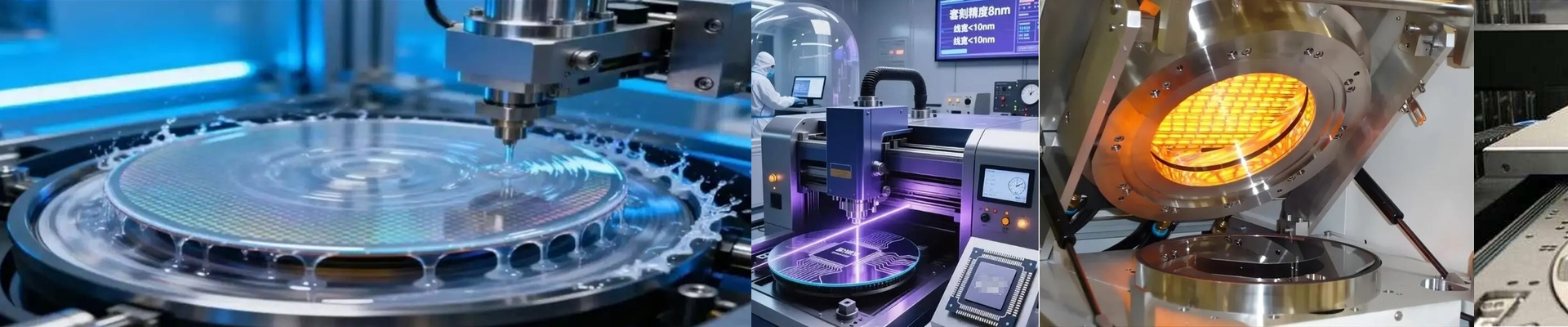
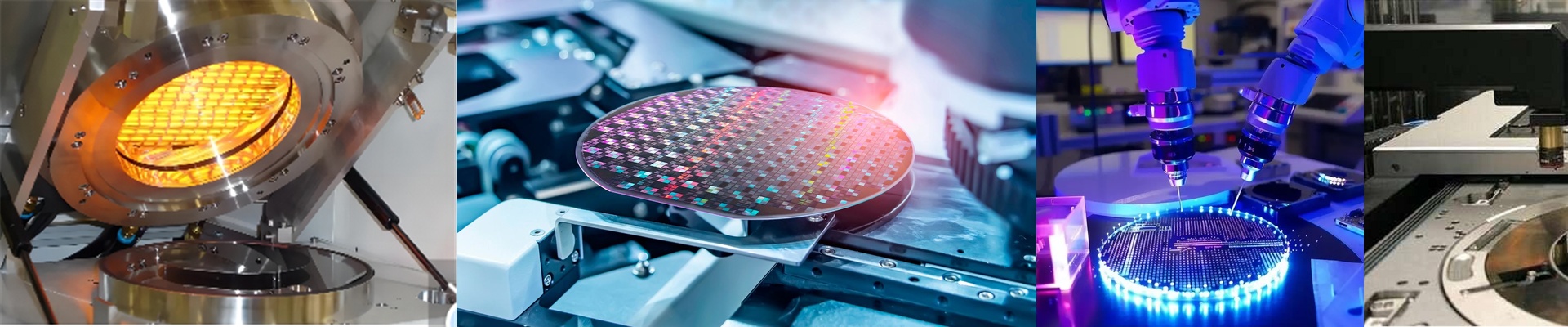
We handle this by using directional infrared. Instead of a quartz tube that blasts heat in a 360-degree circle, we use a mix of selective coatings and reflectors. Think of it like a flashlight instead of a bare bulb. We push the energy straight down onto the substrate. The best part? You stop the heat from leaking into the frame of the machine. We call this “ghost heating,” and it’s a nightmare for equipment longevity. When you focus the beam, those internal wall temperatures plummet. Your team can actually touch the machine without flinching.
The catch (because there’s always one)
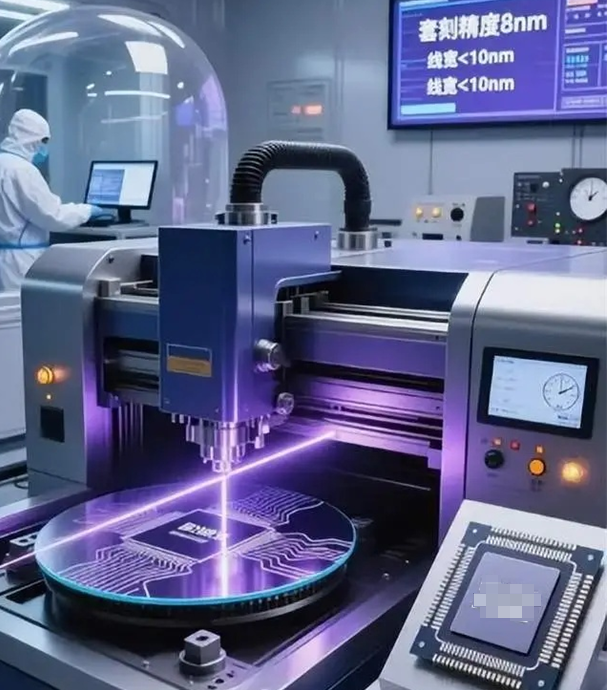
Here is the thing: precision makes the window for error a lot smaller. Because you’re concentrating so much heat into one spot, the substrate hits the target temperature fast. Really fast. But if your part is even a tiny bit out of alignment, you’ll get “hot spots.” One wrong move and you’ve just ruined a whole bio-sensor wafer. And while the chassis stays cool, the lamp head itself still gets scorching. You’ll want a forced-air cooling loop around the housing. Trust me, you don’t want your electronics frying just because you fixed the wall temperature.
Why this actually matters
Switching to directional IR just makes your life easier. You stop spending your afternoons obsessing over the chassis cooling and actually get back to the fabrication process. It turns your heating element into a precise tool instead of a liability that threatens to melt your hardware.