
Why we’re switching to Infrared for lead-free semiconductors
The push for eco-friendly, lead-free standards is forcing a lot of us to rethink how we handle curing. The old convection ovens just aren’t cutting it anymore. That’s why we’ve moved toward infrared (IR) heaters inside vacuum chambers. Instead of trying to heat up the air, IR uses electromagnetic radiation. It’s a cleaner way to work. No more relying on nasty chemical solvents, and the carbon footprint of the drying cycle drops significantly.
Dealing with heat in a vacuum
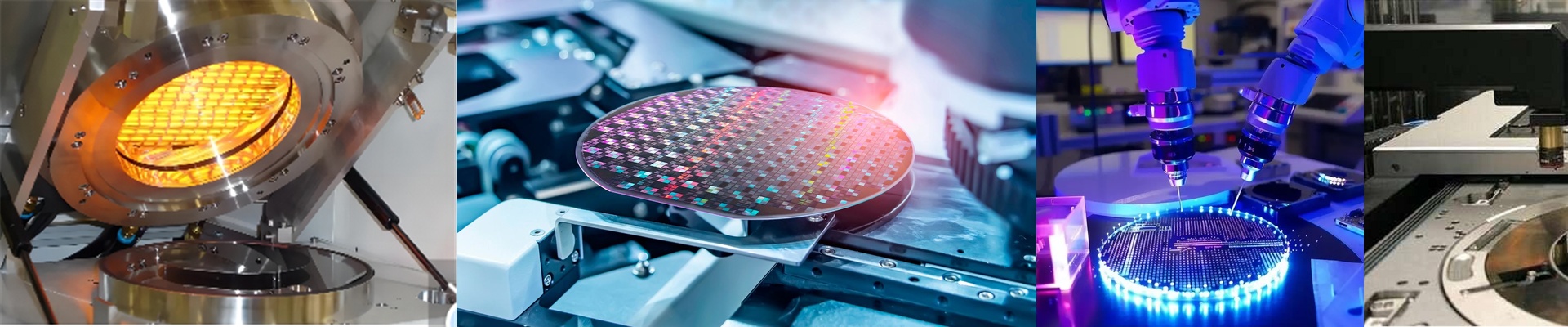
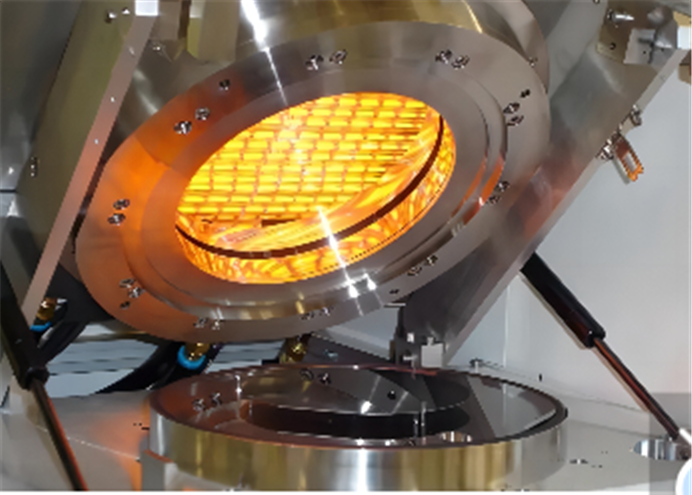
Here is the tricky part: in a vacuum, convection doesn’t exist. You can’t just blow hot air around to get the job done. IR heaters fix this by sending photons straight into the substrate. It’s direct. It’s fast. You can cure your adhesives and photoresists without having to waste energy heating up every single inch of the chamber. We just target the specific absorption bands of the material and leave the rest alone.
The nuts and bolts of the heat source
To get the temperatures we need, we use short-wave or medium-wave IR emitters. These things pack a ton of power into a very small space. We usually wrap them in quartz to keep the wafers from getting contaminated. But there’s a catch. Since there’s no air to carry heat away from the lamp housing, you absolutely need a dedicated water-cooling jacket for the mounts.**Don’t skip this.**If your cooling loop fails, your seals will burn out before you even realize what happened.
The real-world trade-offs
The speed is incredible. We’re talking about shrinking process times from hours down to minutes. But it isn’t perfect. IR heat is directional. If your parts have weird shapes or complex geometries, you’ll run into “cold spots” where the radiation just doesn’t hit. To fix that, you’ll need to wire up multiple banks of lamps or play around with reflectors to make sure the wafer is covered evenly. The big win here is that you stop venting VOCs into the air. It’s just a cleaner, faster way to handle lead-free curing—as long as your power supply and cooling systems can handle the heat.