
Stop Worrying About Lamp Bursts in Your Bio-Sensor Line
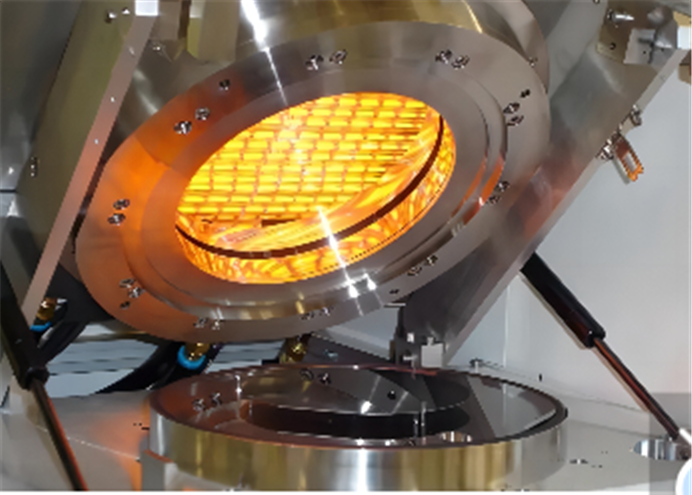
If you’ve ever had a lamp burst during bio-sensor fabrication, you know it’s a nightmare. It’s not just about the downtime. It’s the glass shards. The halogen gas. The fact that your wafers are suddenly covered in debris. One bad pop and your entire batch is trash. It’s a total disaster. Why do they actually blow? Usually, it comes down to thermal shock or those annoying little hotspots. To fight this, we use high-purity synthetic quartz that can actually handle the stress of rapid heating and cooling. We also spend a lot of time making sure the filament is perfectly centered. Why? Because if the heat isn’t spread evenly across the tube wall, you get a weak spot. And that’s exactly where the crack starts. Keeping the mess out of your wafers We don’t just hope the lamp holds; we build a backup plan. We wrap the emitters in high-temp quartz sleeves or a special protective coating. Think of it as a safety net. If the inner lamp gives up the ghost, the sleeve catches everything. No glass fragments on your substrates. No panic. And we don’t cut corners on the ends. Cheap lamps often leak at the pinch-seal. We use reinforced end-caps and connectors that actually fit, so they can handle the pressure of high-wattage runs without leaking gas into your workspace. The honest trade-off Here’s the catch: adding these safety layers puts a physical barrier between the heat source and the wafer. You’ll lose a bit of infrared efficiency—usually around 3% to 7%, depending on how thick the sleeve is. You might need to tweak your ramp-up times or bump the power up a notch to hit your target temperature. But honestly? That’s a small price to pay to avoid scrapping a whole run of wafers. One last tip: make sure you’re using precise PID control. If you let voltage spikes hit your lamps, they’ll burn out way faster, no matter how much shielding we put around them. Keep the power steady, and your gear will last.