
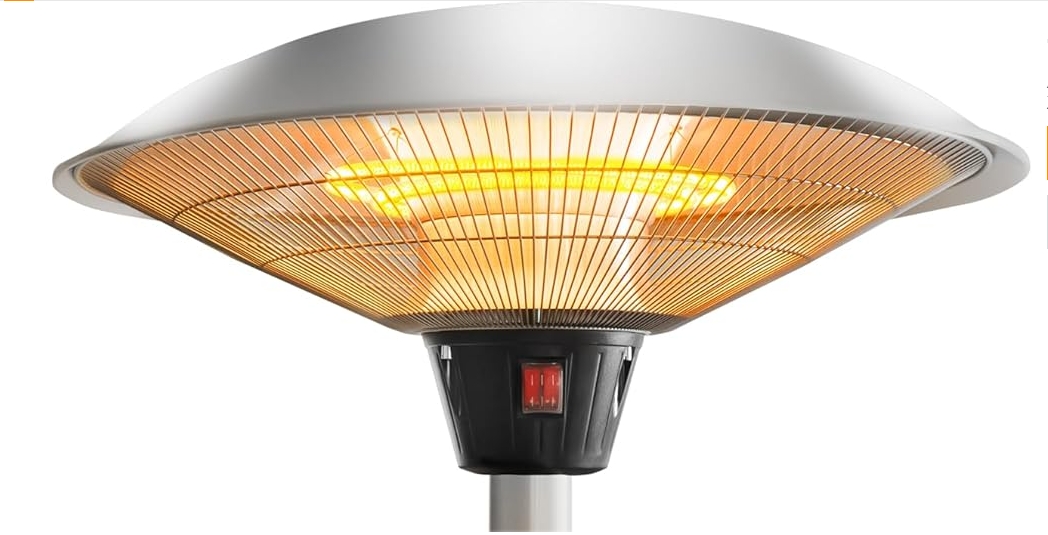
Why your bathroom heater is actually a mold-fighter
Most of us just think of those bathroom heating lamps as a way to stop the shivers when we step out of the shower. But if you look under the hood, they’re doing something way cooler than just warming up the air. They’re actually fighting a war against dampness. Here is the thing about regular heaters: they warm the air. The problem? That warm air often hits a cold wall, turns into condensation, and creates the perfect little playground for mold to grow. Our lamps work differently. Instead of waiting for the air to heat up, they send out infrared waves that travel in a straight line and hit your tiles and grout directly. It’s like a heat lamp at a buffet, but for your shower. It shakes up the water molecules on the surface, forcing them to evaporate much faster. It’s basically a stealthy way to dehumidify your room. Mold loves those stagnant, soggy corners and seams where steam likes to hang out. By keeping those surfaces warm and dry, we make it impossible for mold to get a foothold. If the wall stays dry, the mold simply can’t move in. It’s that simple. But you can’t just throw a massive, high-wattage bulb in there and call it a day. If you do, you’ll either trip your circuit breaker or turn your bathroom into a sauna. We spent a lot of time finding the sweet spot—enough heat to dry the walls, but not so much that you’re scorching your fixtures. And a quick tip: you still need a decent exhaust fan. Otherwise, you’re just moving the water from the wall back into the air, which doesn’t help anyone. The best part? These things hit their peak temperature almost the second you flip the switch. No waiting around for the room to warm up. Just instant heat, dry walls, and a lot less scrubbing with a bleach brush.