Why Most Gazebo Heaters Die (And How We Fixed Ours)
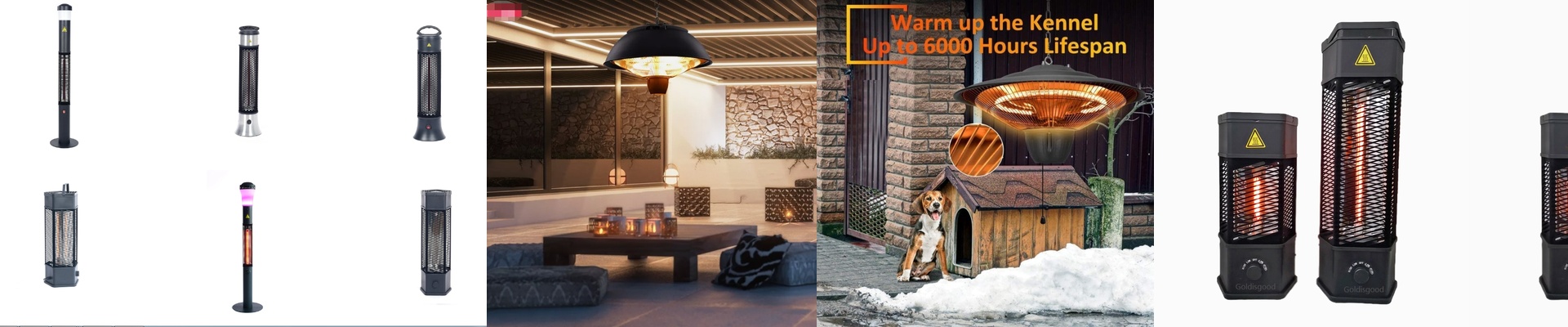
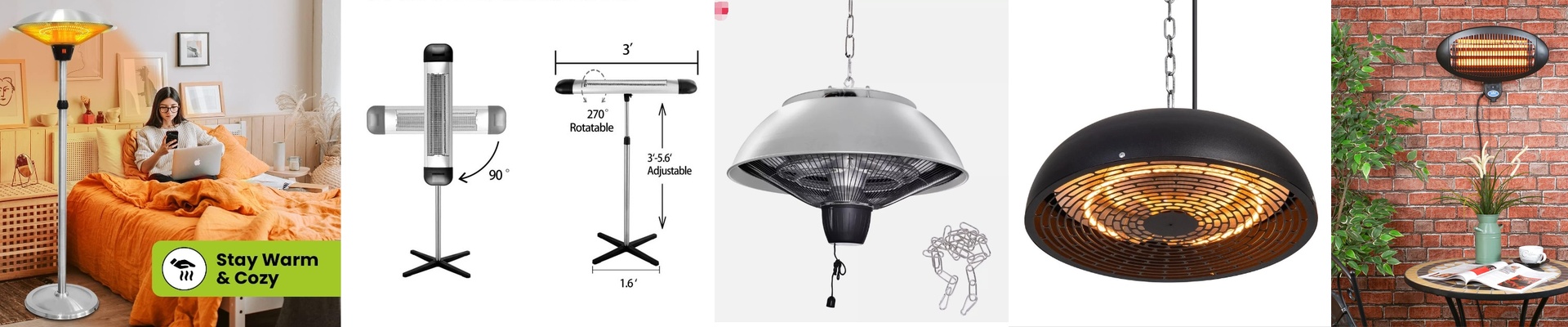
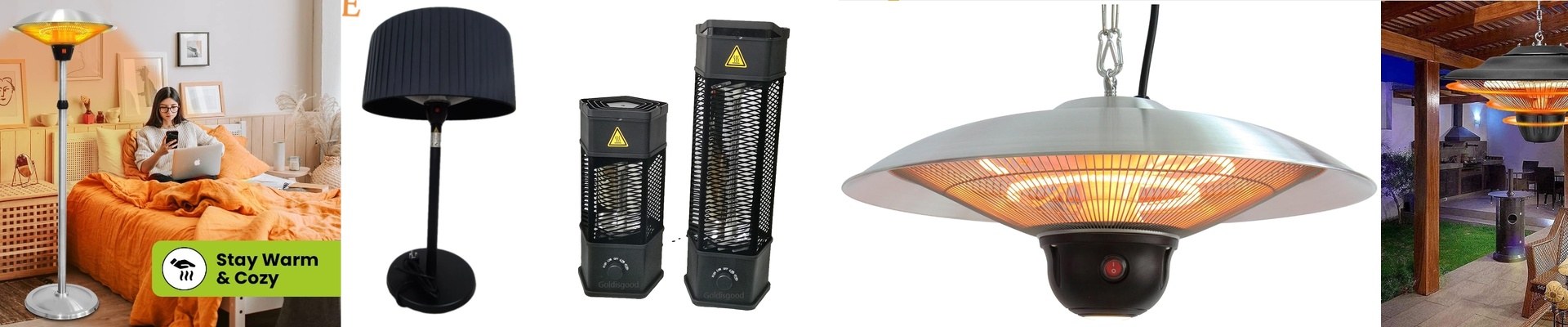
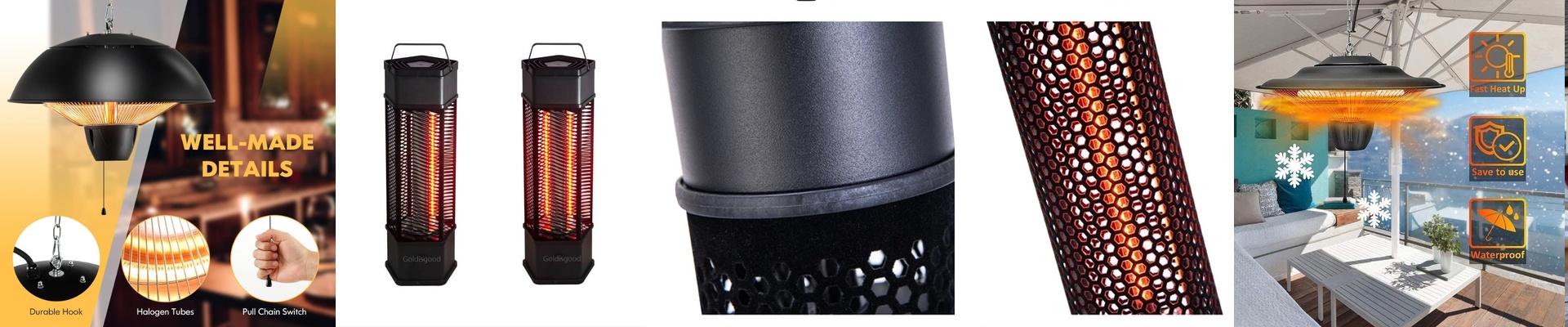
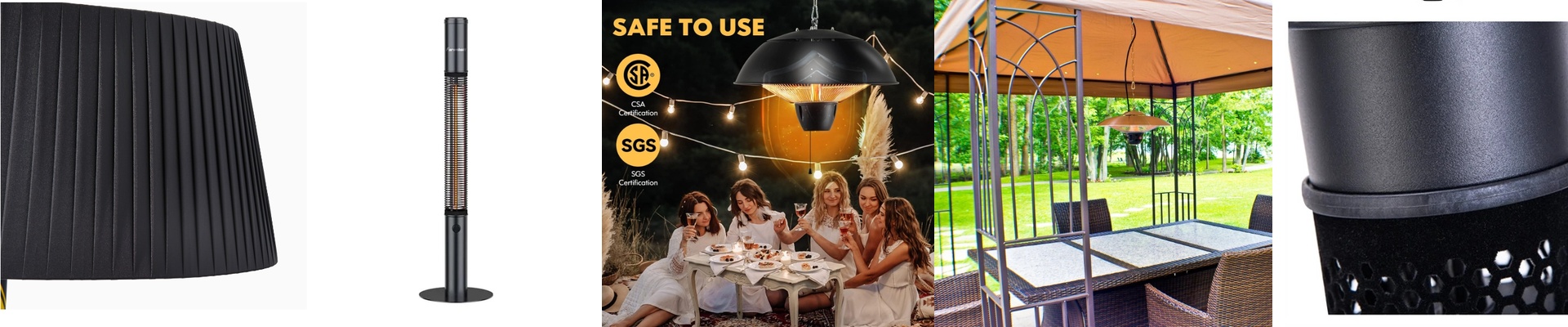
Let’s be honest: putting a 1500W heater in a gazebo is basically asking for trouble. You’ve got intense heat fighting against damp air, wind, and whatever moisture happens to drift in. It’s a brutal environment for electronics. Most heaters just aren’t built for that kind of stress, and they end up frying their circuits way too soon. The battle against moisture Here is the thing about standard indoor heaters—they leak. Not water, but air and moisture seep right into the housing. When a drop of water hits a glowing 1500W element, things go south fast. You get thermal shock or a short circuit, and suddenly your cozy evening is over. We didn’t just slap a cover on our units. We used actual gaskets and a chassis designed to push condensation away from the guts of the machine. It keeps the wiring dry, which means the heater actually lasts. Keeping things clear Ever notice how some heaters get that cloudy, foggy look on the lens? That happens when the heat difference between the element and the chilly air is too extreme. If that reflector fogs up, you aren’t getting the heat where you need it. You’re just warming up the ceiling. We picked materials that don’t warp or shift as they heat up, keeping that seal tight and the optics crystal clear. The heat goes exactly where it should: straight down onto you. A quick heads-up on power One thing to watch out for: 1500W is a lot of juice. If you try to run this through a bunch of daisy-chained outdoor extension cords, you’re going to lose power. The voltage drops, the heat dips, and you’re putting a lot of unnecessary strain on the internal parts. Do yourself a favor and give it a dedicated circuit. You’ll get the full warmth and the heater will run much happier. We built these things to take a beating. By obsessing over the seals and the moisture barriers, we made sure the lamp and controller don’t give up after one season. You just flip the switch, feel the warmth, and enjoy your backyard.