Why You Should Switch to Waterproof Radiant Heat in Your Bathroom
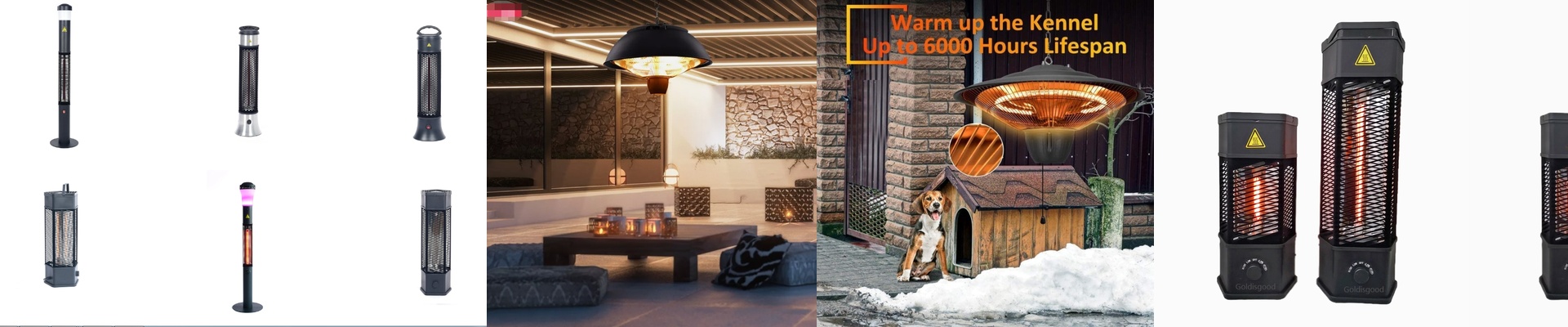
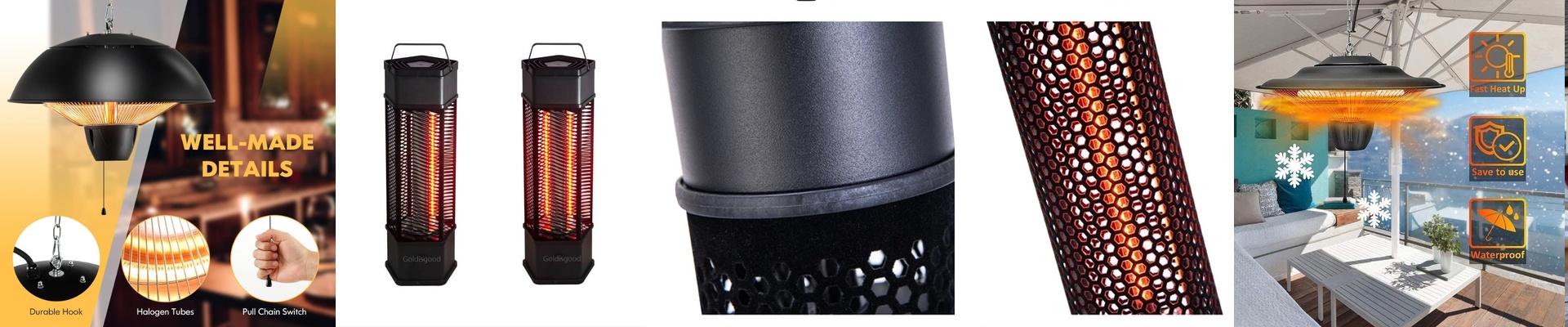
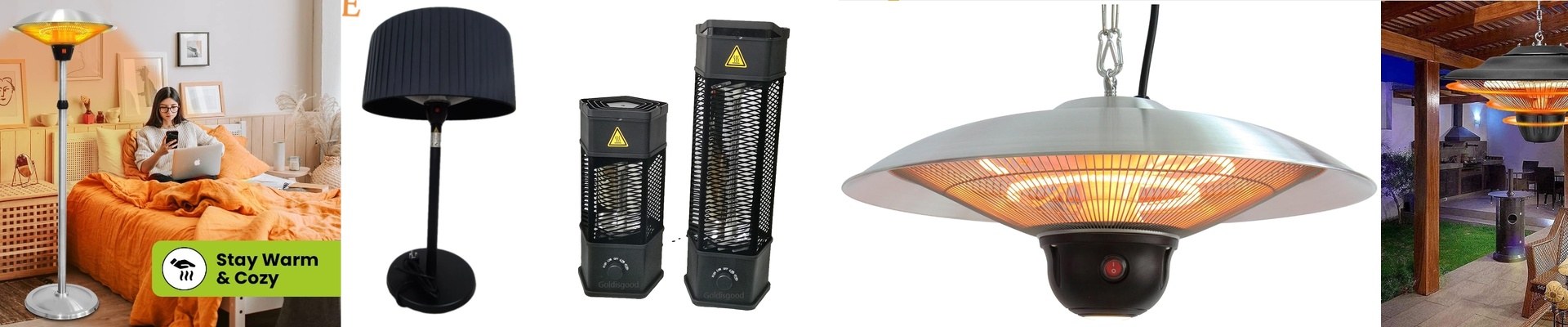
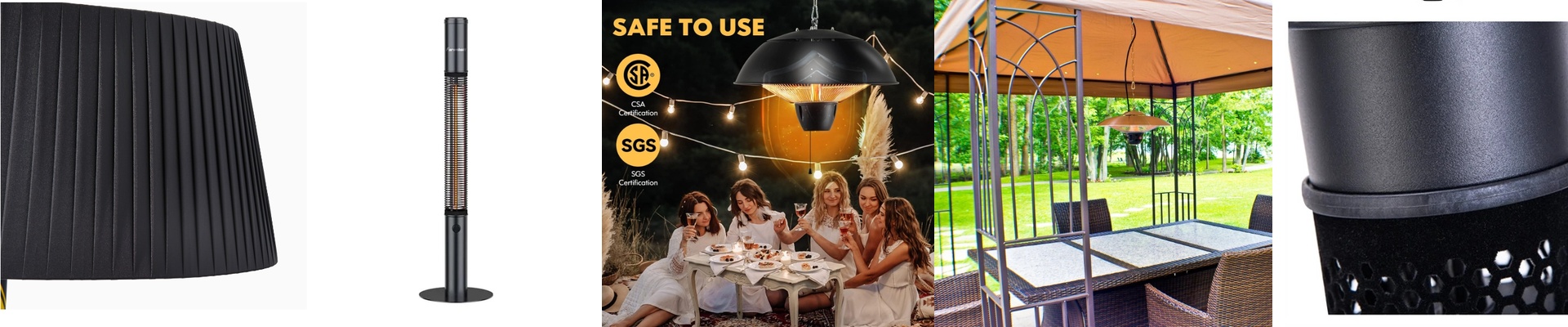
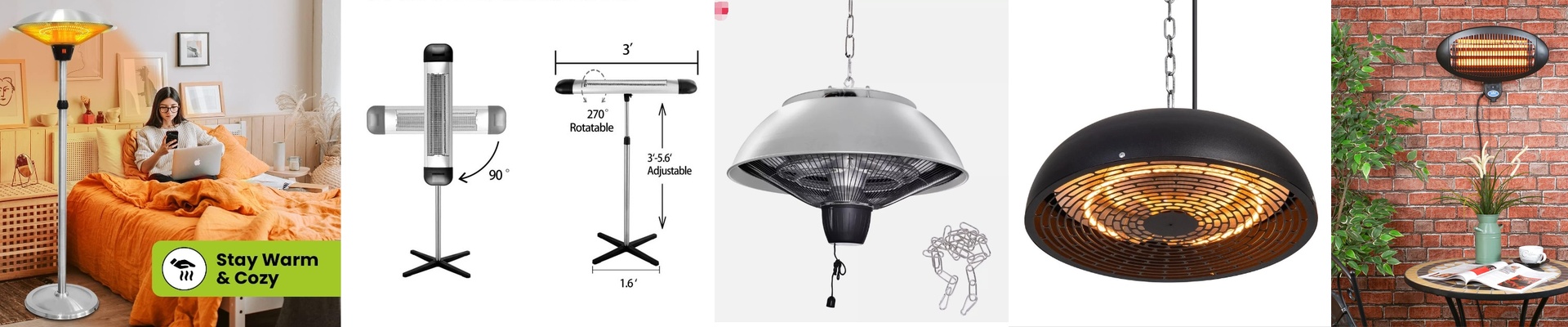
Let’s be honest: nobody likes stepping out of a hot shower into a freezing bathroom. For a long time, we’ve relied on those old-school “lamp heaters.” They’re basic. They’re cheap. But they have a huge flaw—they aren’t built for steam. In a bathroom, moisture gets into everything. It eats away at the contacts and burns out the heating elements way faster than they should. That’s why I’m seeing more people move toward high-standard waterproof infrared heaters. They basically seal the electrical guts away from the steam and splashes, so the thing actually lasts. The trick is how they heat things up. Most space heaters try to warm up the air. But in a bathroom, that’s a losing battle. The heat just disappears through the vents or under the door. It’s a waste of electricity. Infrared is different. Instead of fighting the air, it sends out waves that heat you and the surfaces around you directly. It feels like standing in the sun. And the best part? It’s instant. No waiting around for the room to warm up. You flip a switch, and you’re warm. Period. Then there’s the safety side of things. You’ll see these units listed with “IP ratings.” That’s just a fancy way of saying they can handle water. We use sealed quartz envelopes and housings that keep moisture out. If you put a regular heater in a steamy bathroom, the humidity eventually chews through the wiring insulation. Not a great scenario. A properly rated waterproof unit stops that from happening. A couple of things to keep in mind before you buy. You can’t just swap these in without checking your power. These heaters pull a decent amount of current. If your bathroom is on an old circuit, you might trip the breaker the second you turn it on. If you’re working with an older home, it’s worth having an electrician check if your wiring can handle the extra wattage. It’s a small price to pay for peace of mind. Plus, these things are tiny compared to those bulky heaters that take up floor space. They mount right to the ceiling, leaving your floor clear and your toes warm. It’s just a smarter, safer way to handle the cold.