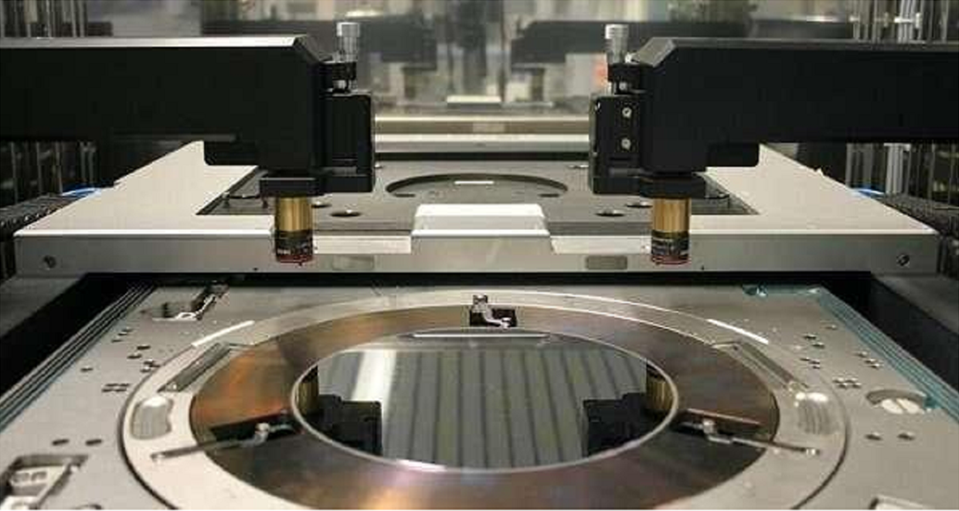
Why you should stop blowing hot air on your MEMS wafers
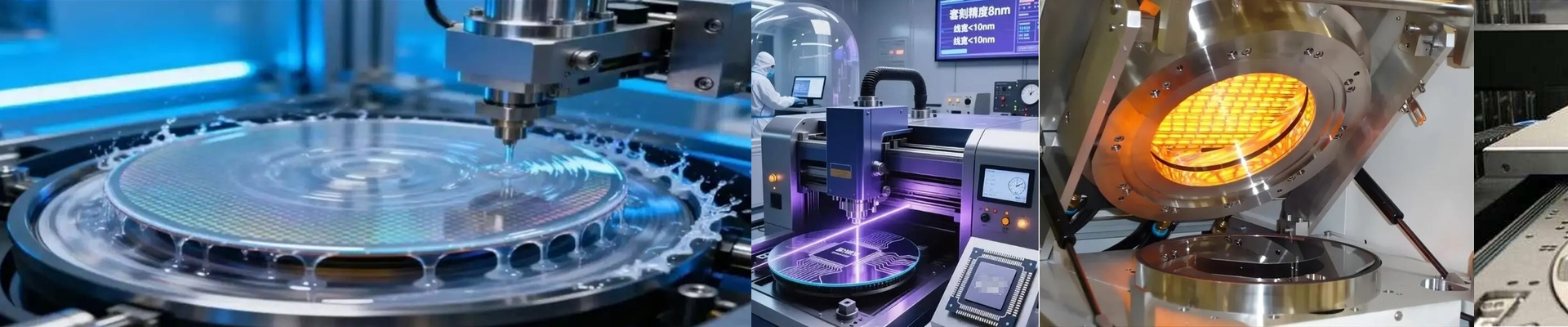
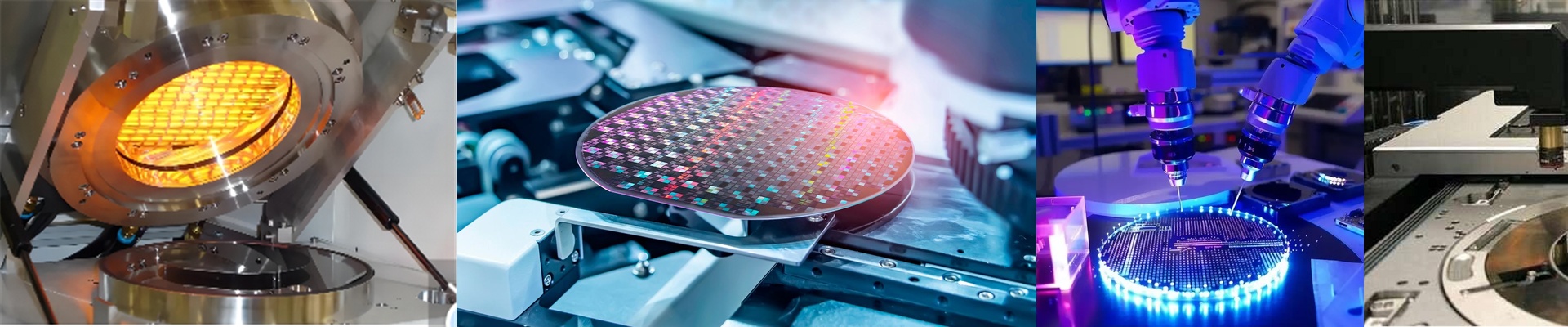
If you’ve spent any time in a MEMS fab, you know the drill. You finish your wet etch or cleaning, and now you’ve got to get that moisture off. Most of the old-school lines just blast the wafers with hot air. We see it everywhere. But here’s the problem: hot air is slow. It relies on convection, which feels like forever when you’re trying to hit a deadline. Plus, blowing air around is basically an invitation for particles to land right where they don’t belong. The time trap Think about how hot air actually works. You have to heat up the entire chamber before the wafer even starts to dry. It’s a waste. Infrared (IR) is different. Instead of warming the room, IR lamps shoot short-wave radiation straight into the wafer. You skip the waiting game entirely. We’re talking about cutting your drying time from minutes down to a few seconds. When you’re running a high-volume line, that’s a massive win. You get more wafers per hour without having to build a bigger cleanroom or buy more floor space. The tricky part Now, you can’t just crank the heat and hope for the best. We use high-intensity quartz lamps to get that “flash-dry” effect, but you have to be careful. If you dump too many watts into a tiny area, you’ll warp the wafer or snap those delicate MEMS membranes. It’s a balancing act. That’s why we always lean on precision PID controllers. They keep the temperature steady so you don’t overshoot and ruin a batch. Real-world headaches I’ll be honest: switching to IR isn’t as simple as swapping a lightbulb. The radiant energy is intense. While your wafer is drying in record time, your tool’s chassis is taking a beating. If you aren’t careful, you’ll fry your electronics. You’ve got to plan for proper heat shielding or put some active cooling in the lamp housing to keep things from melting down. Still, it’s worth the effort. Most deep processing setups have moved to IR because it kills the turbulence and keeps the wafers clean. It just makes the whole workflow move faster.