Stop Heating Your Ceiling
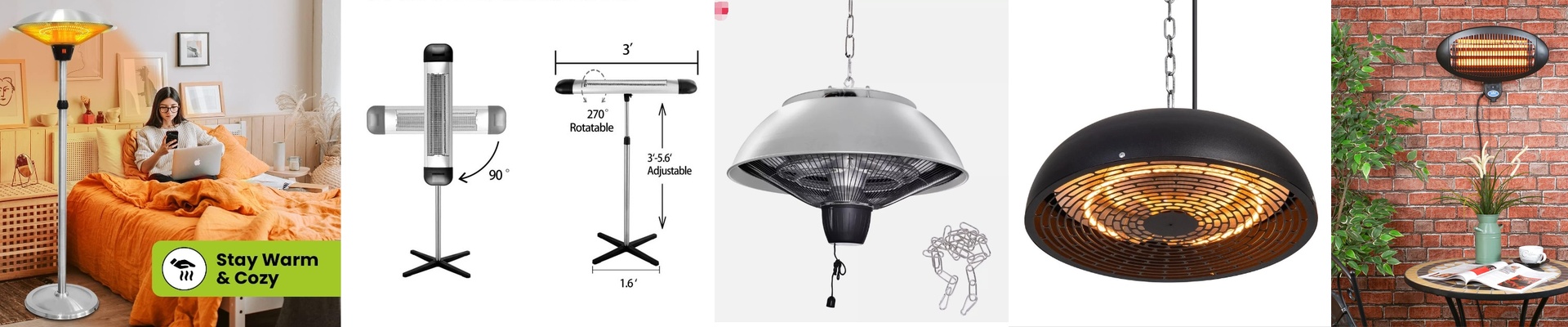
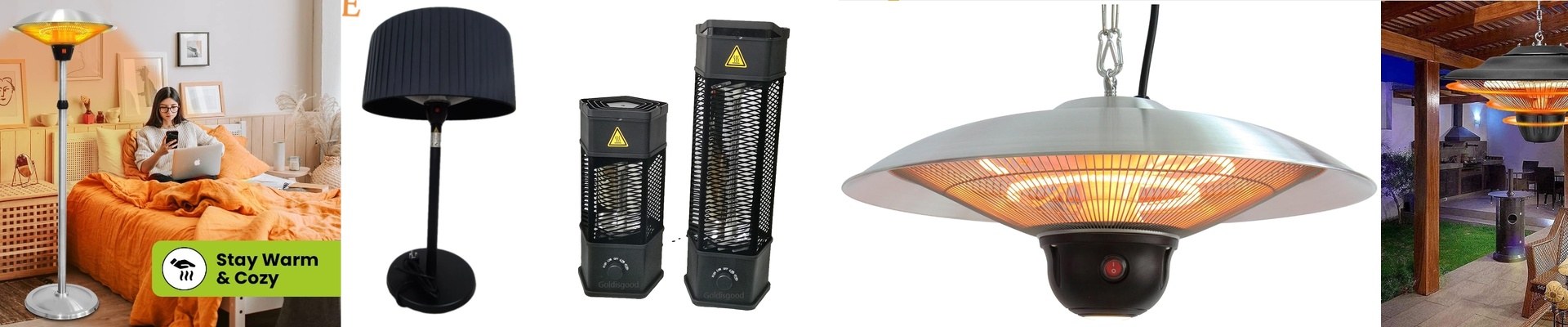
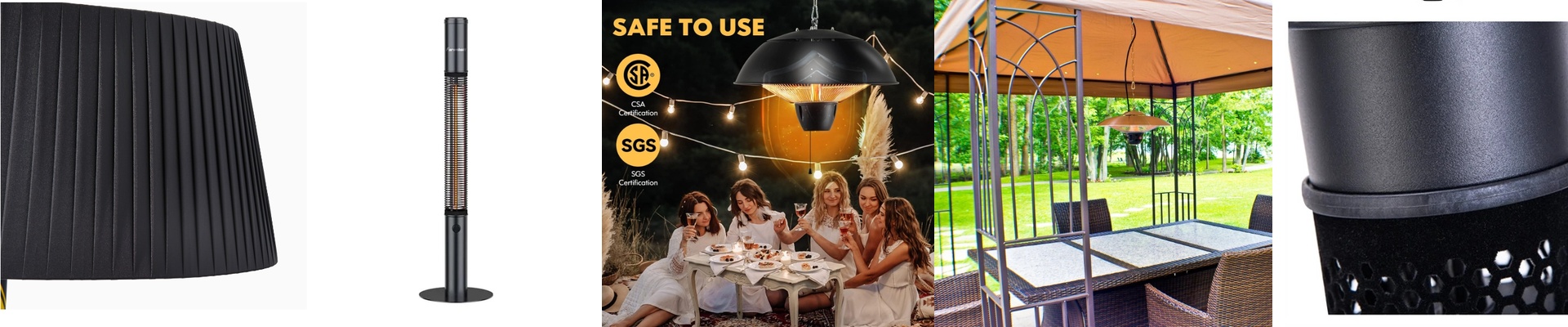
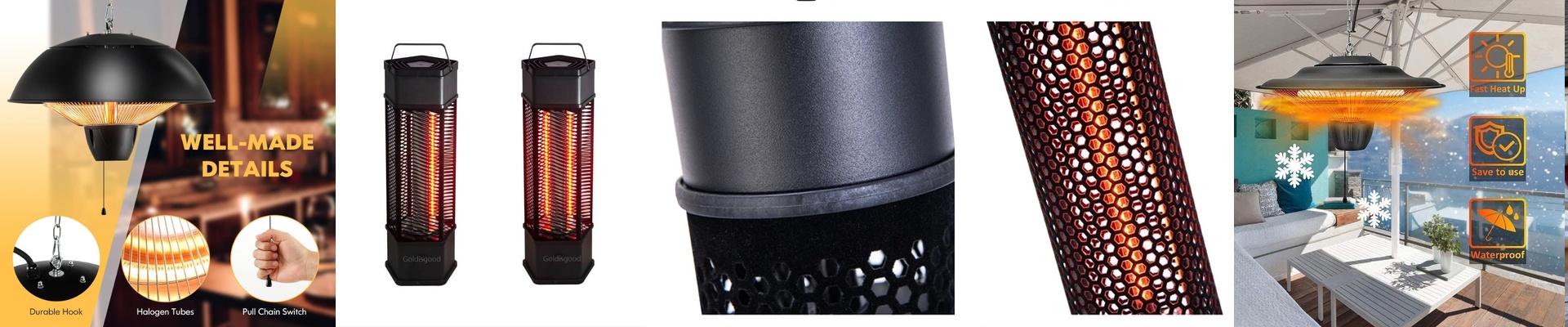
If you’ve ever stood in a warehouse or a locker room in the dead of winter, you know the struggle. You can practically see the heat floating up to the rafters, leaving you shivering on the floor. Traditional forced-air systems just don’t work in those big, open spaces. You’re basically paying to keep your roof warm while your toes stay frozen. We handle this differently. Instead of trying to warm up the air, we use shortwave infrared radiation. Think of it like the sun. The air around you might be freezing, but the moment you step into a sunbeam, you feel that instant warmth on your skin. These heaters do the exact same thing. They send energy straight to the solid stuff—the people, the benches, the floors—without wasting a dime on the air in between. The trick with high ceilings When you’ve got a lot of distance between the heater and the floor, you have to fight physics. Heat naturally dissipates as it travels. To fix that, we use high-intensity emitters and plenty of wattage. The result? You go from shivering to warm in seconds. No waiting for a furnace to kick in. No waiting for air to push through dusty ducts. It’s just… on. A few things to watch out for To get that kind of punch, we use quartz-halogen tubes. They are incredibly effective, but they run hot. Like, really hot. If you’re putting these in a locker room, please double-check your ceiling clearance. If they’re too close to cheap ceiling tiles or plastic conduits, you’re going to end up with scorched marks or melted plastic. It’s a quick fix during planning, but a nightmare after installation. Also, don’t just plug these into any old outlet. These units pull a lot of power when they first start up. Give them their own dedicated circuit, or you’ll be walking over to the breaker box every time someone turns the heat on. The reality of the experience Here is the honest truth: this isn’t “ambient” heat. You won’t feel like you’re wrapped in a warm blanket the moment you walk into the room. It’s targeted. If you step out of the beam, you’ll feel the chill again. To stop those annoying cold spots, we usually overlap the beam angles. It creates a consistent zone of warmth where people actually spend their time. Plus, you stop wasting money heating thousands of cubic feet of empty air near the roof. You only heat what you actually use.