
Stop Wasting Heat in Your Semi Tooling
Standard heating elements are kind of messy. They throw energy in every direction—360 degrees of heat just blasting outward. In a semiconductor chamber, that’s a nightmare. When that heat hits your inner walls instead of the wafer, you end up with “hot walls.” It’s a double whammy: you’re burning through power for no reason, and your operators are at risk of getting burned if they touch the chassis. Nobody wants that.
Getting the Heat Where it Actually Belongs
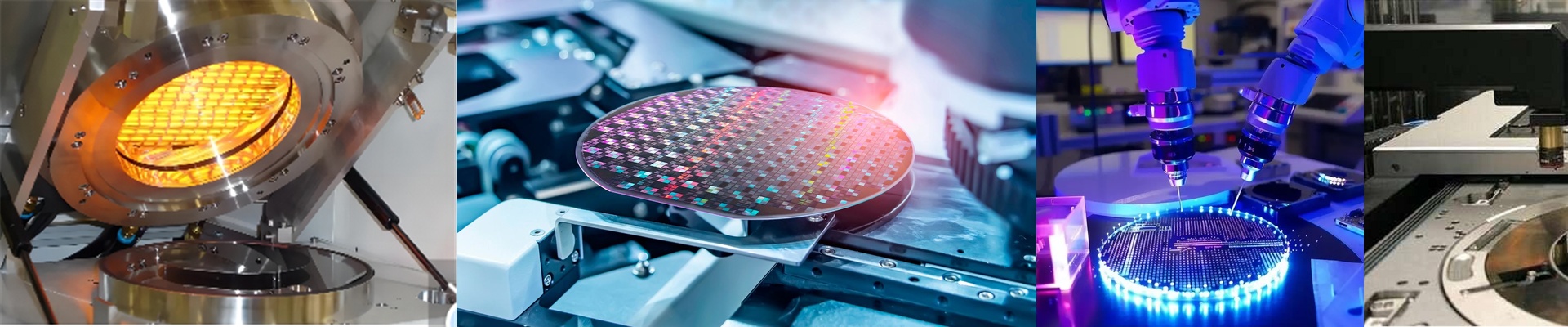
We handle this by using short-wave infrared (SWIR) lamps paired with specialized reflectors. Think of it like switching from a lightbulb to a flashlight. Instead of letting the heat bleed everywhere, we squeeze it into a tight, focused beam. The goal is simple: keep the thermal load on the target. By nailing the emission angle, the equipment housing stays cool because it’s just not soaking up all that wasted energy.
The Nitty-Gritty of Setup
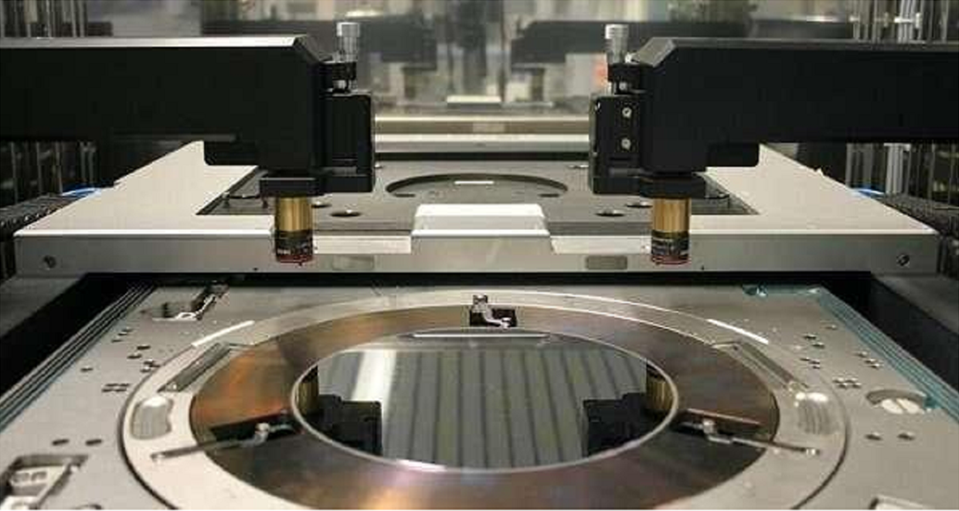
Here is the tricky part. You have to get the lamp’s focal length to match your chamber’s geometry perfectly. If the beam is too wide? You’re back to square one with hot walls. Too narrow? You’ll get hot spots on your wafer, which ruins your process. To handle the stress of rapid cycling, we use high-purity quartz envelopes. These tubes take a real beating, but they keep the output steady. Plus, there’s a hidden win here for your facility. Since the walls aren’t acting like giant radiators, your cooling water system doesn’t have to work nearly as hard. Your heat exchangers can finally catch a break.
The Trade-off
Now, this isn’t some magic bullet. There’s a catch. The tighter you make that beam, the more sensitive the whole system becomes. If your lamp shifts even a few millimeters, your heat distribution is shot. You can’t just wing it with the mounting. You’ll need rigid brackets to lock that beam in place. It takes a bit more effort upfront, but it’s the only way to keep the outer walls cool and your process stable.