
Making Your Outdoor Heaters Actually Smart
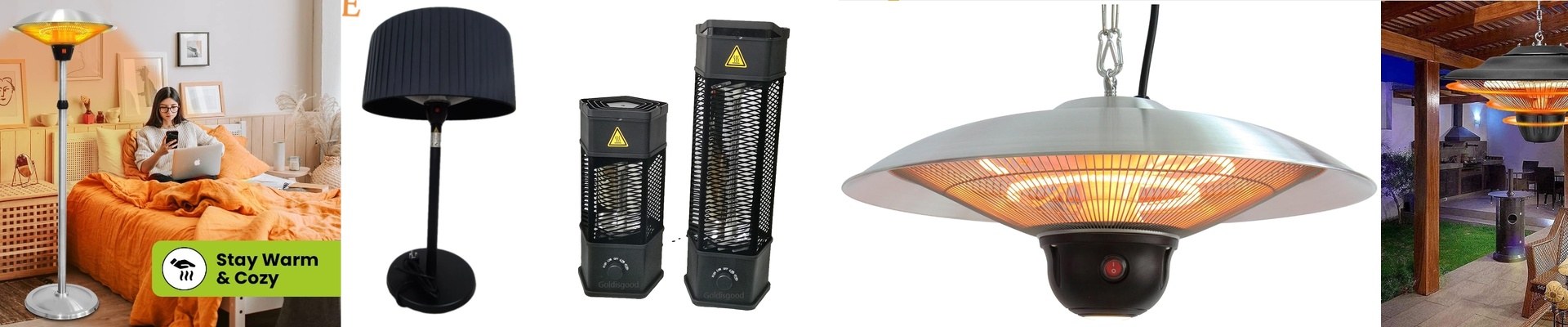
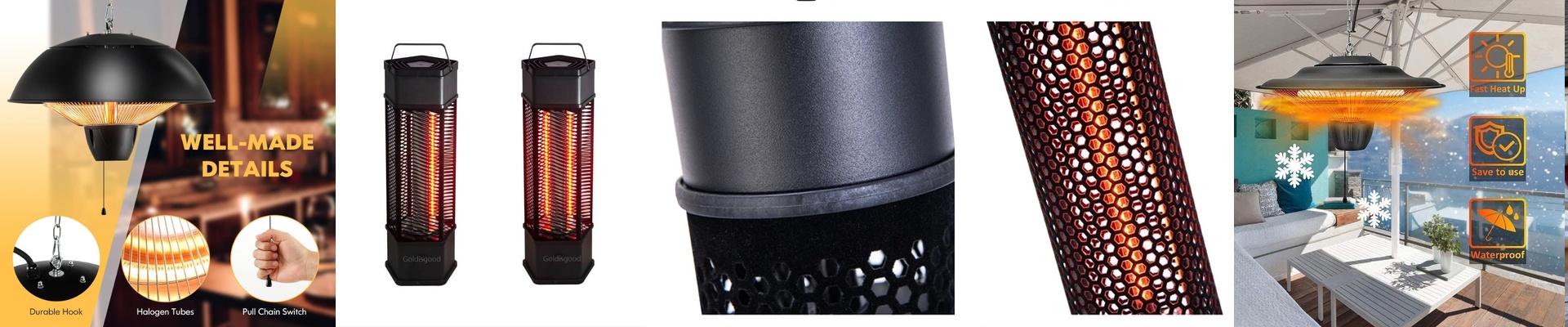
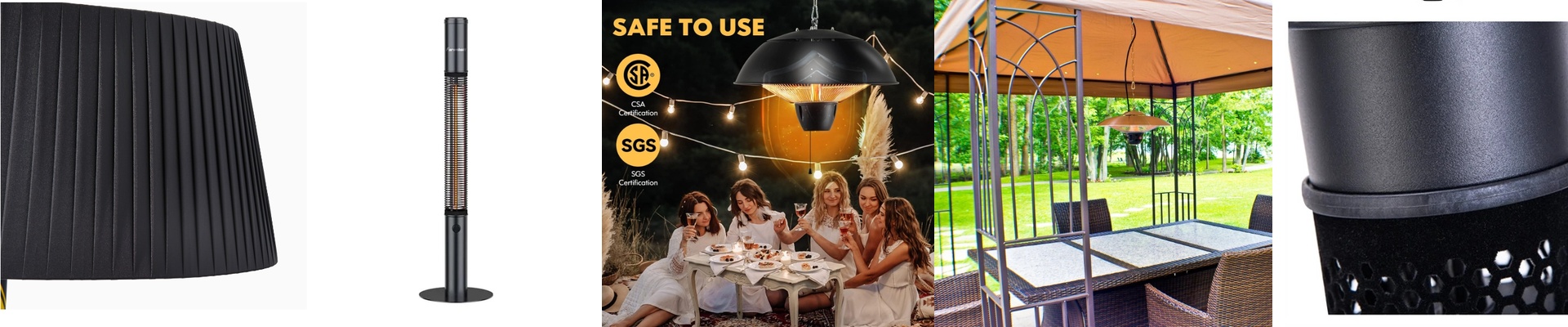
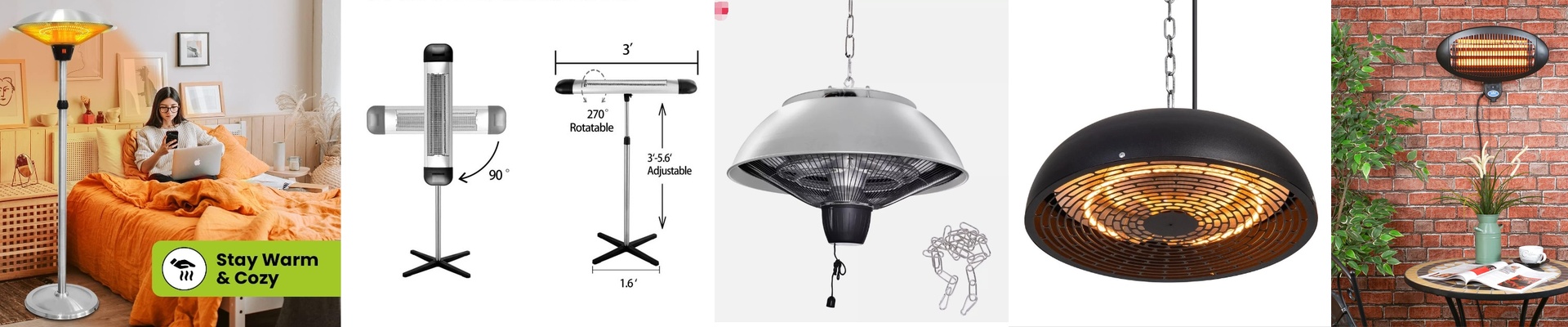
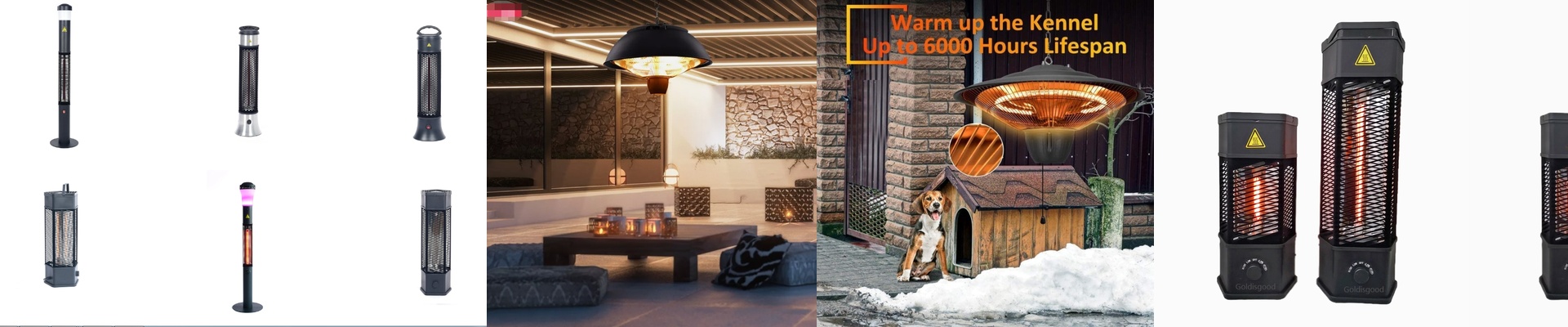
Let’s be honest: nobody likes freezing their toes off while trying to find the light switch on a dark patio. If you’re putting heaters outside, you need gear that can handle a downpour without shorting out. That’s where the IP66 rating comes in. Basically, it means dust and high-pressure water can’t get inside to mess with the electronics. It’s built for the real world. Heat that actually hits you Most heaters try to warm up the air, which is a losing battle the second a breeze kicks in. These infrared units work differently. They send out radiation that travels straight to you. It feels like stepping into a patch of sunlight on a cold day. One click, and you go from shivering to comfortable in seconds. No waiting around for the air to warm up—just instant heat. Getting it connected Now, the cool part: getting rid of those clunky manual switches. If you hook these up to a smart relay or something using Zigbee or Matter, you can control everything from your phone or a hub. You hit a button, the relay snaps shut, and the heater fires up. One quick tip from experience: use heavy-gauge wiring. If the wires are too thin, you’ll lose power along the way, and your heater won’t actually get as hot as it should. A few things to watch out for Here’s the catch. These things pull a lot of power. If you’re slapping four or five of these on one circuit, you’re probably going to trip your breaker. Do the math on your total load before you start wiring, or you’ll be heading to the fuse box halfway through your party. Also, give them some breathing room. They get incredibly hot. If you mount them too close to plastic or anything that can melt, you’re going to have a bad time. Plus, if you crowd them together, they can overheat and shut themselves off. Just space them out, follow the power specs, and you’re golden.