

Why we use gold to fix your heat problems
When you’re processing semiconductor wafers, you’re basically fighting a war against wasted energy. You need that heat hitting the surface, but too often, it just bleeds into the machine chassis. It’s a waste of power and a headache for your hardware. That’s where gold-coated reflectors come in.
The secret is in the shine
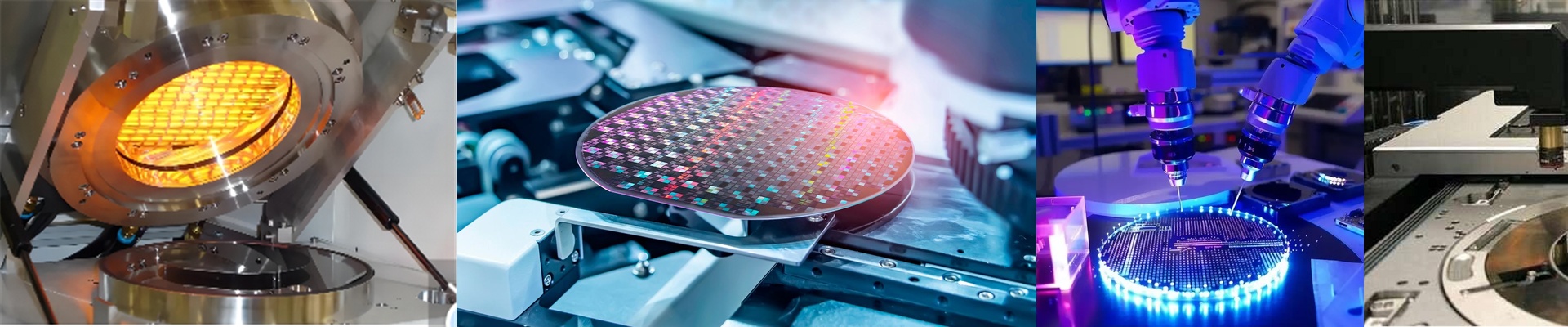
We use gold because it’s incredible at bouncing long-wave infrared energy. Aluminum or stainless steel just don’t cut it here. Think of it like a mirror for heat. Instead of the energy soaking into the equipment frame, the gold layer pushes it straight forward. You end up with a tight, concentrated heat zone. More watts hit the wafer, and your machine stays cooler. It’s simple physics, but it makes a massive difference.
The catch (because there’s always one)
Here’s the thing: this lets you pull less power while keeping your surface temperature exactly where it needs to be. But gold is soft. Really soft. If your team goes in with abrasive cleaners or if the chamber gets dirty, that gold layer is going to scratch. Once you’ve got pits and scratches on the surface, your efficiency tanks. You’ve got to be strict about how these are cleaned. Treat them with care, or you’re just paying for expensive paint.
Getting it to work in the real world
You’ll notice the biggest win in high-throughput lines. When every second counts, focusing the energy means you hit your process temperature way faster. No more waiting around for the heat to ramp up. It plugs right into your existing power rails, but don’t just “set it and forget it.” You’ll need to tweak your PID controllers. Because the heat response is so much faster now, you could easily overshoot your target and fry a wafer if your tuning is still set for the old, slower system. Take a minute to dial it in, and you’re good to go.