
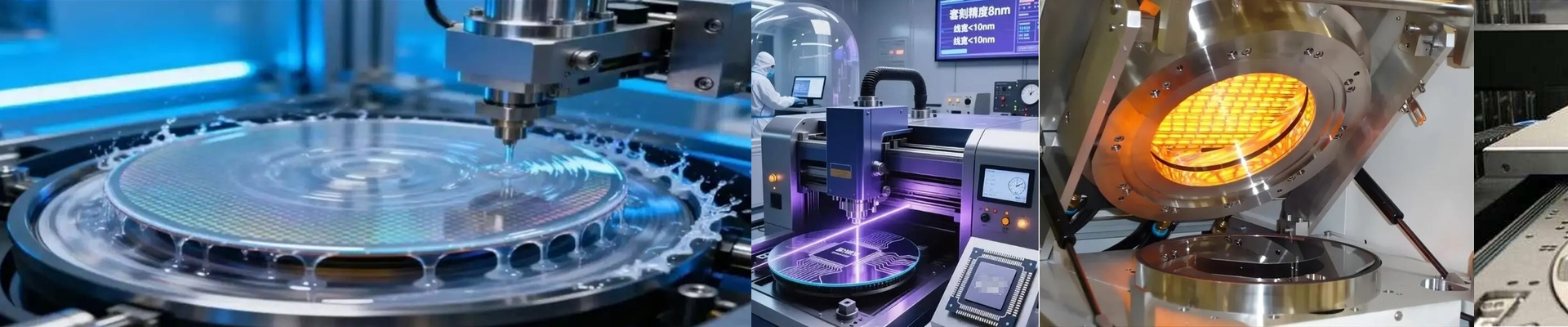
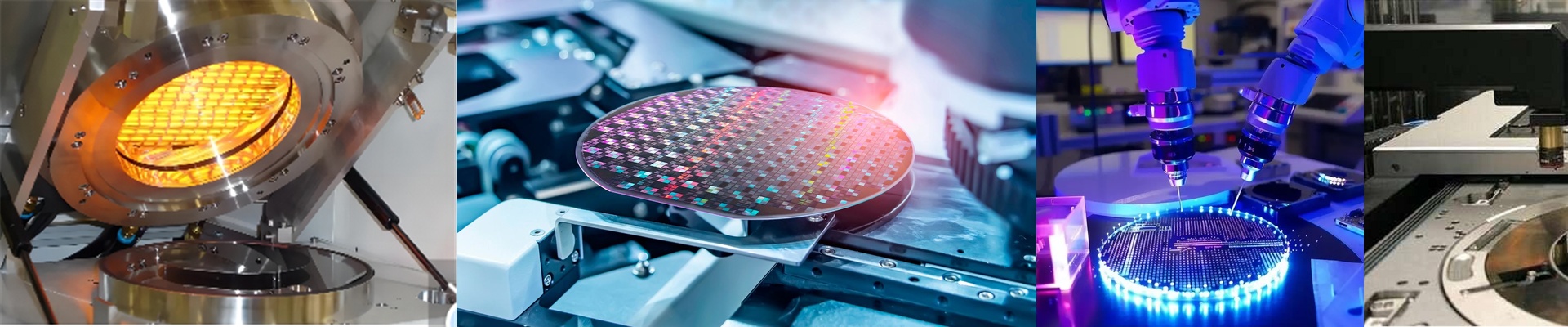
On the line, wafer drying isn’t just another step. It’s the last thermal checkpoint before you lock in yield.
ライン上におけるウエハの乾燥は単なる工程の一つではなく、歩留まりを確定させる前の最後の熱的チェックポイントである。
A cold spot during IR drying shows up as a watermark. An overshoot pushes the photoresist hardness out of spec. Either one stamps a defect onto the die. We built our IR heaters to pull that uncertainty out of the equation, delivering stable, repeatable heat right where the wafer sits. 赤外線(IR)乾燥時の冷却スポットはウォーターマークとして現れ、温度のオーバーシュートはフォトレジストの硬度を仕様外に押し出す。どちらもダイに欠陥を刻むことになる。当社のIRヒーターはその不確実性を排除し、ウエハの位置に正確かつ安定した再現性のある熱を供給するよう設計している。
Here’s what actually matters under the hood. The unit runs short-wave infrared with fast response and tight control, so the temperature recovers quickly after a wafer load. Wafer-level thermal uniformity holds ±0.1°C across the hot zone, which keeps your soft bake and hard bake windows protected. 本質的に重要なのは以下である。本装置は短波長赤外線を使用し、高速応答かつ厳密な温度制御を行うため、ウエハ装填後の温度回復が迅速である。ホットゾーン全体でウエハレベルの熱均一性は±0.1°C以内に保たれ、ソフトベークおよびハードベークの工程条件を維持できる。
Cleanroom compatibility isn’t an afterthought. In Class 1–100 environments, the heater assembly generates zero particles, so your particle counts stay flat during production. Repeatability is baked into the design—setpoints hold tolerance shift after shift, lot after lot. クリーンルーム対応は後付けではない。クラス1~100の環境下でヒーターアセンブリは粒子を発生させず、生産中の粒子数は変動しない。繰り返し性は設計段階で組み込まれており、設定温度はシフトごと、ロットごとに許容範囲を維持する。
In lithography, photoresist behavior comes down to time and temperature. Our IR heater dries wafers without overheating the substrate, so film integrity stays intact and critical dimensions stay stable. リソグラフィ工程においてはフォトレジストの挙動は時間と温度に依存する。当社のIRヒーターは基板を過熱せずにウエハを乾燥させるため、膜の一体性を保持し重要寸法の安定性を確保する。
In semiconductor packaging and wafer-level processes, that same thermal control shortens cycle time while still pulling moisture out completely. That means subsequent encapsulation or bonding steps don’t trap defects. The fast ramp and efficient radiant transfer cut energy use, and the design runs 24/7 with predictable maintenance intervals. 半導体パッケージングおよびウエハレベル工程では、同様の熱制御によりサイクル時間を短縮しつつ、完全な脱湿を実現している。これにより以降の封止やボンディング工程で欠陥が閉じ込められることがない。急速な昇温と効率的な放射熱伝達によりエネルギー消費を削減し、設計は24時間365日稼働を想定しメンテナンス周期を予測可能としている。
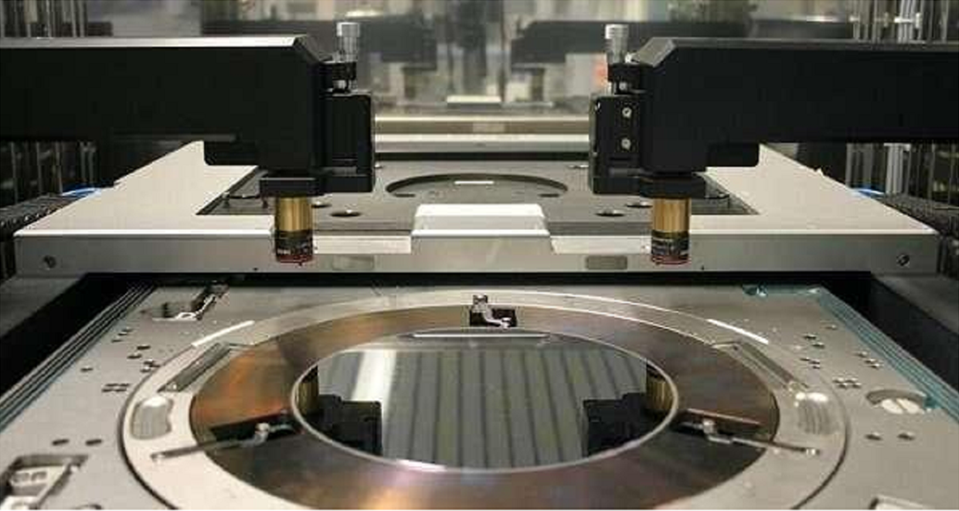
A couple of practical notes. The heater integrates cleanly, but you have to verify alignment and line-of-sight to the wafer during install. Radiant heat is line-of-sight, and even a small misalignment will shift the uniformity profile. 実務的な留意点として、ヒーターはクリーンに統合できるが、設置時にはウエハへのアライメントと視線(ライン・オブ・サイト)を必ず確認すること。放射熱は直線的に伝搬するため、わずかなずれでも熱均一性のプロファイルが変化する。
Make sure your power and cooling plan matches the tool footprint. The fast response is thermally aggressive, so the support systems need to keep up with the heater’s thermal load. Get those details right, and the process runs on spec—not on hope. 電力および冷却計画が装置の設置スペースと合致しているか必ず確認すること。高速応答は熱負荷が高いため、補助システムはヒーターの熱負荷に追従可能でなければならない。これらを適切に整えれば、工程は仕様通りに稼働し、不確実性に頼ることはない。