
Keeping People Warm in Wet Zones
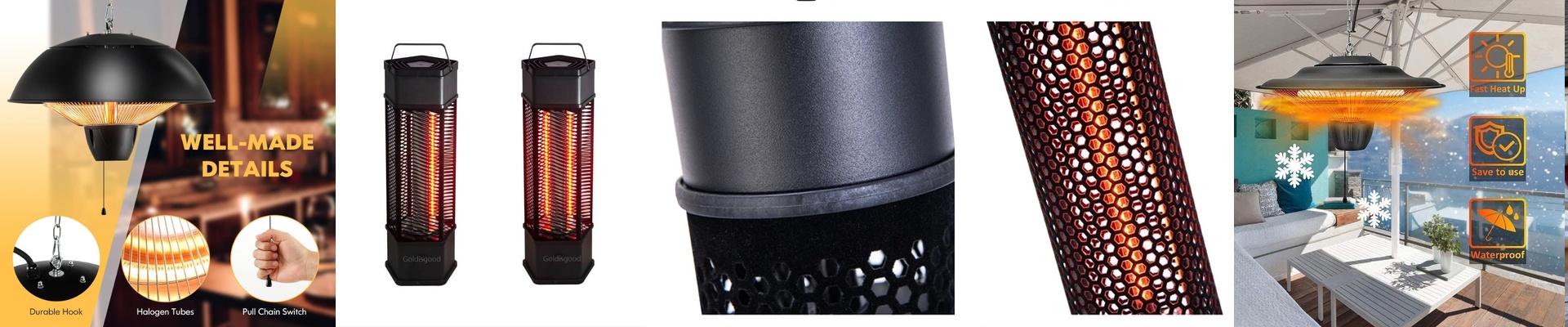
Let’s be honest: changing rooms and wet areas are a nightmare to heat. You want people to feel warm the second they step out of the shower, but you can’t exactly put a standard heater next to a splashing pool without risking a disaster. That’s where shortwave infrared heaters come in. We use IP55-rated units because they don’t bother trying to warm up the air—which just floats away anyway. Instead, they beam heat directly onto the person. It’s the difference between waiting for a room to warm up and stepping into a patch of sunlight on a cold day.
Why it feels instant
The magic here is in the quartz elements. They don’t need a long “warm-up” period. You flip the switch, and within seconds, you feel that heat hitting your skin or clothes. It’s fast. Really fast. And for someone shivering in a locker room, that’s the only thing that matters.
Dealing with the damp
When you’re dealing with steam, splashes, and humidity, “water-resistant” isn’t enough. We stick to an IP55 rating. In plain English? Dust stays out, and water jets can hit the unit from any angle without causing a short circuit. We use heavy-duty gaskets to seal every cable entry and housing seam, keeping the guts of the machine bone-dry. And we don’t use basic steel. Between the salt in the air and the chlorine from the pools, standard metal would start pitting and rusting almost immediately. We use powder-coated aluminum or stainless steel so the gear actually lasts.
A few things to watch out for
Here’s the thing: these heaters pack a punch, but they’re thirsty for power. Shortwave elements draw a lot of current the moment they kick on. If you wire too many of them to one circuit without using staggered timers, you’re going to trip your breakers. It’s a common mistake, but a frustrating one. One last tip: remember that infrared is “line-of-sight.” If something is blocking the beam, the heat stops. Mount them overhead to make sure the warmth actually reaches the floor and covers as many people as possible.