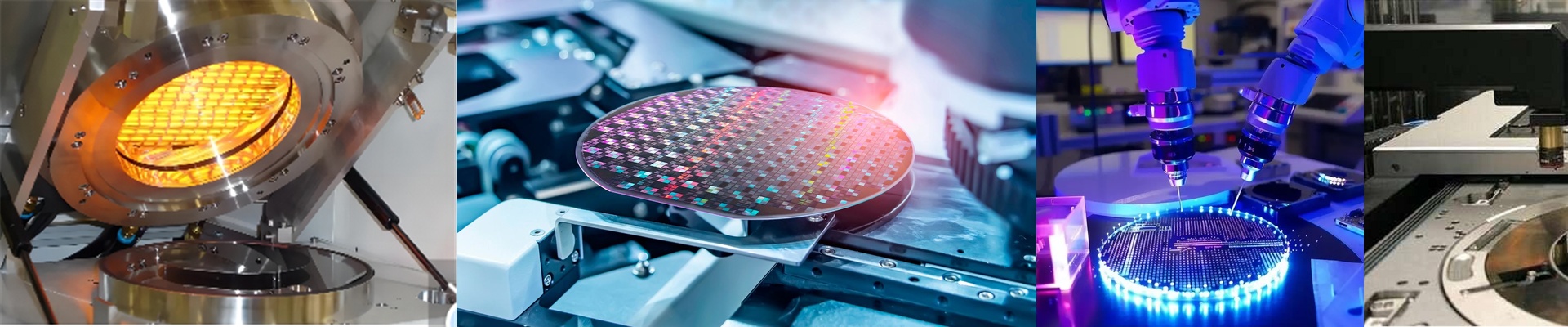
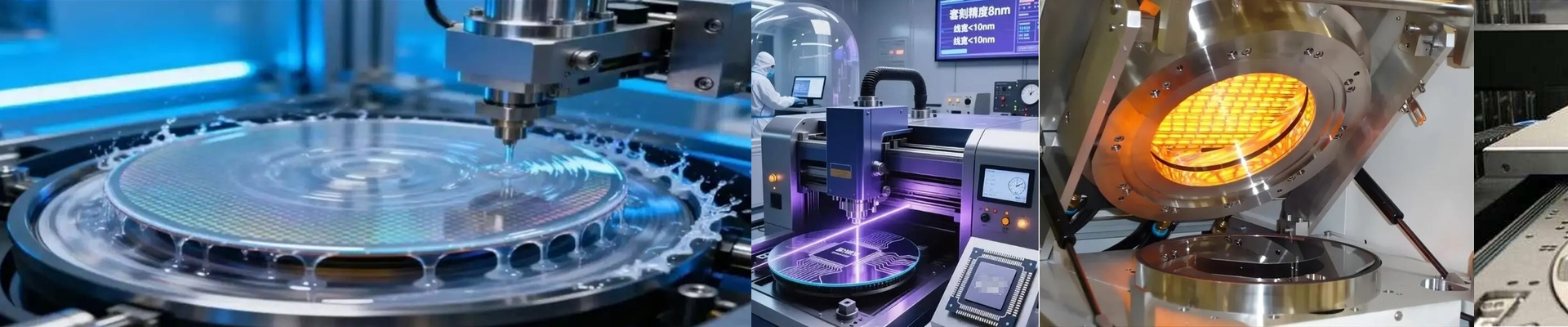

On the line, wafer drying isn’t just another step. It’s the last thermal checkpoint before you lock in yield.
การทำให้แผ่นเวเฟอร์แห้งบนสายการผลิตไม่ใช่แค่ขั้นตอนหนึ่ง มันคือจุดตรวจสอบความร้อนขั้นสุดท้ายก่อนล็อกผลผลิต
A cold spot during IR drying shows up as a watermark. An overshoot pushes the photoresist hardness out of spec. Either one stamps a defect onto the die. We built our IR heaters to pull that uncertainty out of the equation, delivering stable, repeatable heat right where the wafer sits.
จุดเย็นระหว่างการอบแห้ง IR จะแสดงเป็นคราบน้ำบนแผ่นเวเฟอร์ การให้ความร้อนเกินมาตรฐานจะทำให้ความแข็งของโฟโตเรซิสต์ผิดสเปก ทั้งสองกรณีล้วนนำไปสู่ข้อบกพร่องบนชิ้นงาน เราออกแบบฮีตเตอร์ IR เพื่อกำจัดความไม่แน่นอนนี้ โดยให้ความร้อนที่เสถียรและทำซ้ำได้ตรงจุดที่วางแผ่นเวเฟอร์
Here’s what actually matters under the hood. The unit runs short-wave infrared with fast response and tight control, so the temperature recovers quickly after a wafer load. Wafer-level thermal uniformity holds ±0.1°C across the hot zone, which keeps your soft bake and hard bake windows protected.
รายละเอียดสำคัญภายในเครื่องคือ หน่วยนี้ใช้รังสีอินฟราเรดคลื่นสั้นที่ตอบสนองไวและควบคุมอย่างแม่นยำ ทำให้อุณหภูมิกู้คืนได้รวดเร็วหลังจากการวางแผ่นเวเฟอร์ ความสม่ำเสมอของอุณหภูมิที่ระดับแผ่นเวเฟอร์อยู่ที่ ±0.1°C ในโซนร้อน ซึ่งช่วยรักษาช่วงเวลาอบนุ่มและอบแข็งให้คงที่
Cleanroom compatibility isn’t an afterthought. In Class 1–100 environments, the heater assembly generates zero particles, so your particle counts stay flat during production. Repeatability is baked into the design—setpoints hold tolerance shift after shift, lot after lot.
ความเหมาะสมกับห้องสะอาดไม่ใช่แค่การพิจารณาภายหลัง ในสภาพแวดล้อมระดับ Class 1–100 การประกอบชุดฮีตเตอร์ไม่สร้างฝุ่นละออง ซึ่งช่วยรักษาระดับฝุ่นคงที่ในระหว่างการผลิต ความสามารถในการทำซ้ำถูกออกแบบมาให้ตั้งค่าและรักษาความคลาดเคลื่อนได้อย่างต่อเนื่องในแต่ละกะและแต่ละล็อต
In lithography, photoresist behavior comes down to time and temperature. Our IR heater dries wafers without overheating the substrate, so film integrity stays intact and critical dimensions stay stable.
ในการทำลิโธกราฟี พฤติกรรมของโฟโตเรซิสต์ขึ้นอยู่กับเวลาและอุณหภูมิ ฮีตเตอร์ IR ของเราช่วยให้แผ่นเวเฟอร์แห้งโดยไม่ทำให้วัสดุรองรับร้อนเกินไป ทำให้ความสมบูรณ์ของฟิล์มคงอยู่และมิติเชิงสำคัญไม่เปลี่ยนแปลง
In semiconductor packaging and wafer-level processes, that same thermal control shortens cycle time while still pulling moisture out completely. That means subsequent encapsulation or bonding steps don’t trap defects. The fast ramp and efficient radiant transfer cut energy use, and the design runs 24/7 with predictable maintenance intervals.
ในการบรรจุชิ้นส่วนเซมิคอนดักเตอร์และกระบวนการระดับแผ่นเวเฟอร์ การควบคุมอุณหภูมิเดียวกันนี้ช่วยลดเวลาวงจรในขณะที่ยังดึงความชื้นออกอย่างสมบูรณ์ ซึ่งหมายความว่าขั้นตอนการห่อหุ้มหรือการเชื่อมที่ตามมาจะไม่กักเก็บข้อบกพร่อง การเพิ่มอุณหภูมิอย่างรวดเร็วและการถ่ายเทความร้อนด้วยรังสีอย่างมีประสิทธิภาพช่วยลดการใช้พลังงาน และการออกแบบตัวเครื่องรองรับการทำงานต่อเนื่อง 24/7 ด้วยช่วงเวลาบำรุงรักษาที่คาดเดาได้
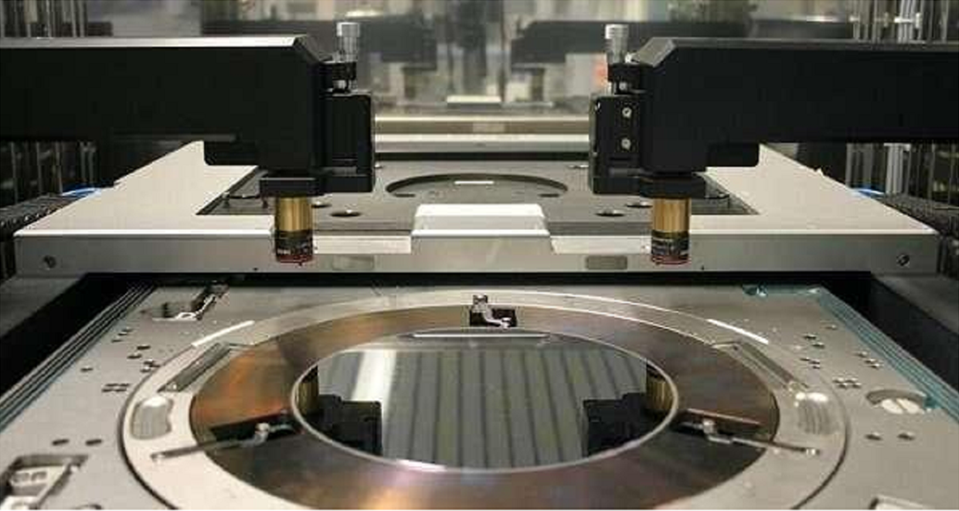
A couple of practical notes. The heater integrates cleanly, but you have to verify alignment and line-of-sight to the wafer during install. Radiant heat is line-of-sight, and even a small misalignment will shift the uniformity profile.
หมายเหตุด้านการใช้งานเล็กน้อย ฮีตเตอร์ติดตั้งได้อย่างเรียบร้อย แต่ต้องตรวจสอบการจัดแนวและเส้นสายตรงที่ชัดเจนกับแผ่นเวเฟอร์ในตอนติดตั้ง ความร้อนจากรังสีเป็นแบบเส้นสายตรง และแม้แต่ความเบี่ยงเบนเล็กน้อยก็ส่งผลต่อรูปแบบความสม่ำเสมอของอุณหภูมิ
Make sure your power and cooling plan matches the tool footprint. The fast response is thermally aggressive, so the support systems need to keep up with the heater’s thermal load. Get those details right, and the process runs on spec—not on hope.
ตรวจสอบให้แน่ใจว่าแผนการจ่ายไฟและระบบระบายความร้อนสอดคล้องกับขนาดเครื่อง ระบบตอบสนองเร็วนี้มีการเพิ่มอุณหภูมิอย่างเข้มข้น จึงต้องใช้ระบบสนับสนุนที่สามารถรองรับภาระความร้อนของฮีตเตอร์ได้อย่างเพียงพอ หากจัดการรายละเอียดเหล่านี้ได้ถูกต้อง กระบวนการก็จะทำงานตามสเปก ไม่ใช่ขึ้นอยู่กับความหวังเท่านั้น